Automatic Roll Air Filter Selection and Installation: A Quebec Pharmaceutical Plant Case Study
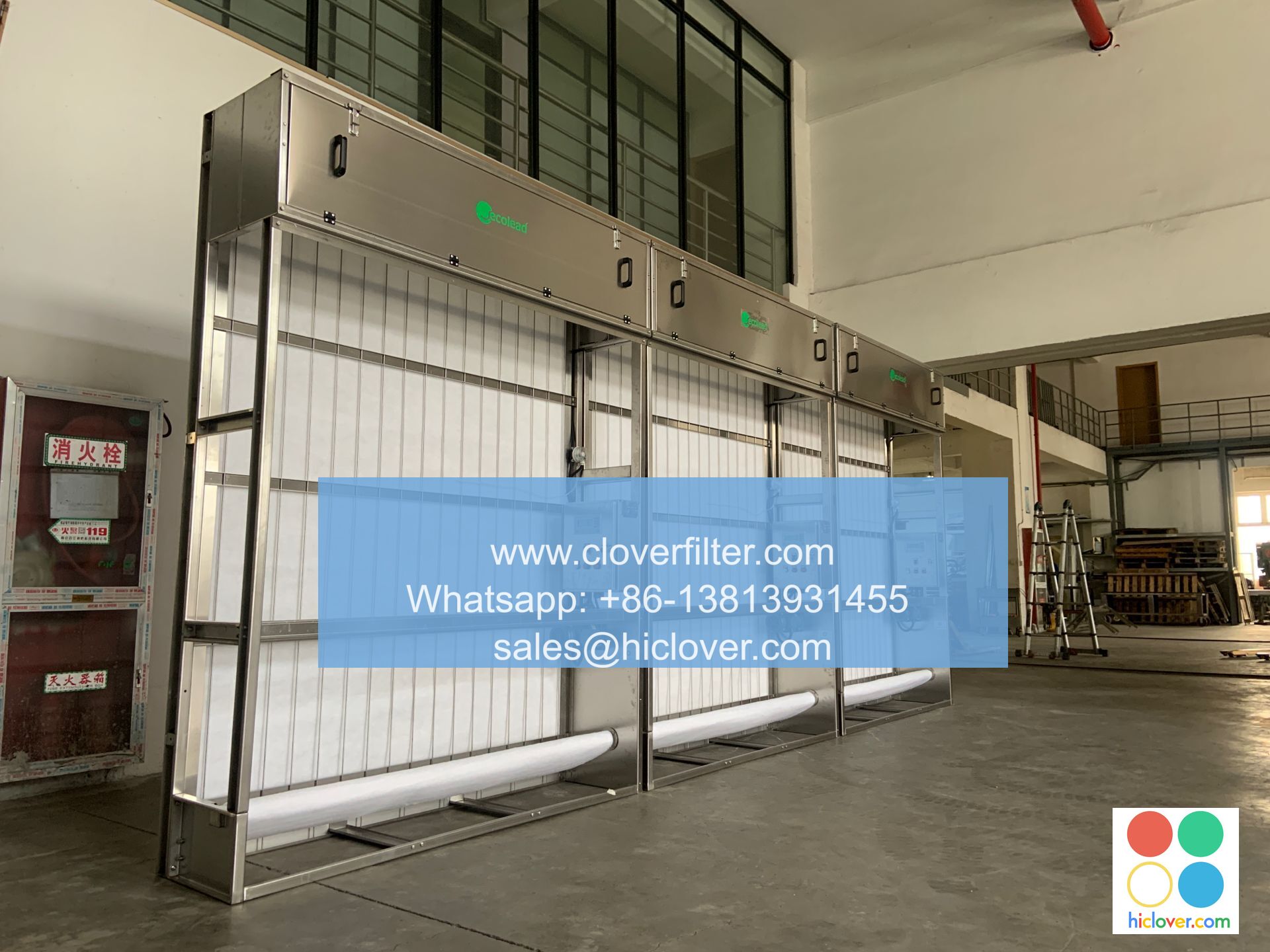
In today’s pharmaceutical manufacturing environments, maintaining a high standard of air quality is paramount. A recent case study at a state-of-the-art pharmaceutical plant in Quebec illustrates the importance of selecting and installing automatic roll air filters. These filters play a crucial role in ensuring the production environment meets stringent health and safety regulations.
The Importance of Air Quality in Pharmaceutical Manufacturing

Pharmaceutical plants require a controlled atmosphere to prevent contamination of products. Air quality directly impacts the integrity of drugs and medical devices, making it essential to have an effective filtration system in place. Automatic roll air filters are increasingly favored due to their efficiency in filtering particulates and biological contaminants.
Selection of Automatic Roll Air Filters
The selection process for appropriate filters involved extensive collaboration between the engineering team and project stakeholders. Several factors came into play:
- Filtration Efficiency: The plant required filters with high Minimum Efficiency Reporting Values (MERV) ratings, capable of trapping microscopic particles.
- Airflow Requirements: The filters had to support the facility’s HVAC systems without creating excessive resistance that could affect airflow rates.
- Material Compatibility: The chosen filters had to be compatible with the types of chemicals and compounds processed within the plant.
- Automation Features: Integration with existing HVAC control systems to enable real-time monitoring and automatic replacement was essential.
- Pre-Installation Assessment: Comprehensive evaluations were conducted to determine the ideal positioning of the filters, ensuring optimal airflow across production areas.
- Retrofitting Existing Systems: The installation team worked on retrofitting existing HVAC systems to accommodate new filter technologies. This step was crucial to prevent disruptions in ongoing operations.
- Quality Assurance Testing: Post-installation, the team conducted thorough testing to verify that the new systems met all operational standards and compliance requirements. Air sampling was performed to analyze the filtration performance.
- Cost Savings: Automating filter changes reduced labor costs and minimized downtime.
- Increased Operational Efficiency: Improved air quality resulted in lower rejection rates for produced drugs.
- Compliance Assurance: Enhanced reporting capabilities facilitated adherence to regulatory standards.

Installation Process
The installation of the selected automatic roll air filters was meticulously planned. Key steps included:
Results and Benefits
The case study demonstrated significant improvements in air quality, leading to enhanced product safety and reduced contamination risks. Additionally, the implementation of automatic roll air filters allowed for:
Conclusion
This case study illustrates the critical role of automatic roll air filters in maintaining air quality standards in a Quebec pharmaceutical plant. By carefully selecting and effectively installing advanced filtration systems, the facility not only ensured compliance with health regulations but also improved operational efficiency and product safety. As the pharmaceutical industry continues to evolve, the adoption of such advanced technologies will be pivotal in safeguarding the production environment.
FAQs
What is an automatic roll air filter?
An automatic roll air filter is a type of air filtration system that operates using a roll of filter media, which automatically feeds into the HVAC system to ensure continuous and efficient air filtration.
How often should air filters be changed?
Replacement frequency depends on air quality, usage, and filter type, but it is generally recommended to inspect and potentially change filters every 3 to 6 months.
What are the benefits of automatic filters over traditional filters?
Automatic filters provide conveniences such as reduced maintenance labor, consistent performance, and the ability to monitor air quality in real-time.
