Automatic Roll Air Filters: A Critical Component in Safran’s Aerospace Manufacturing Process

In the aerospace manufacturing industry, quality control and precision are paramount. One of the unsung heroes that contribute to maintaining these standards is the Automatic Roll Air Filter. As a key component in Safran’s manufacturing facilities, these filters play a crucial role in ensuring clean environments for the production of aircraft engines and other critical aerospace components.
Understanding Automatic Roll Air Filters
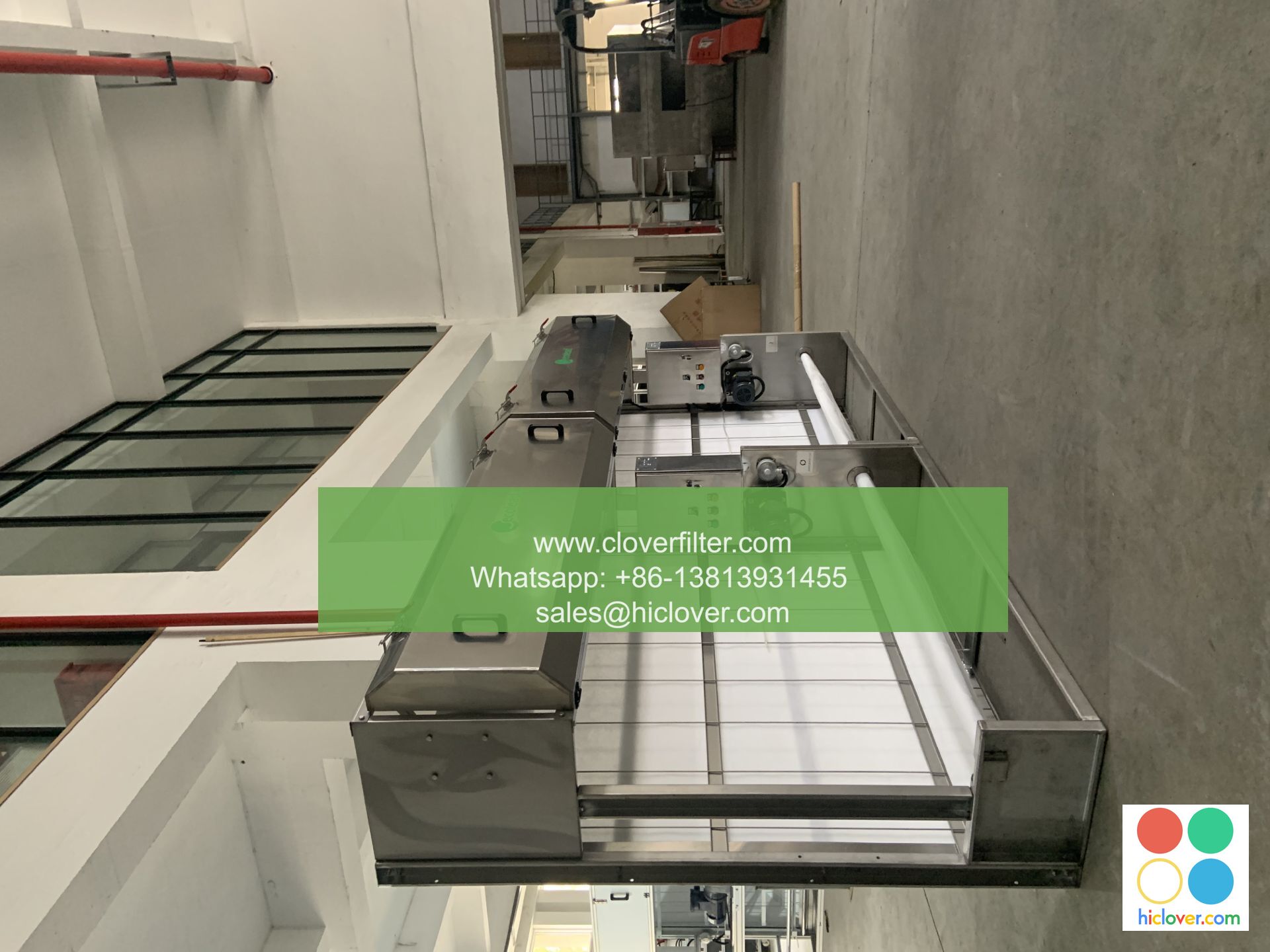
Automatic Roll Air Filters are designed to provide consistent air filtration in manufacturing settings. They operate by using a continuously advancing roll of filter material that automatically rolls and collects contaminants from the air. This not only ensures a constant supply of clean air but also reduces manual labor and maintenance costs associated with traditional filters.
The Importance of Clean Air in Aerospace Manufacturing
In aerospace manufacturing, clean air is essential for several reasons:
- Product Integrity: Contaminants can compromise the integrity of aircraft components, leading to safety risks.
- Process Efficiency: Dust and particulates can interfere with machinery and processes, reducing efficiency.
- Regulatory Compliance: The aerospace sector is heavily regulated, requiring stringent air quality standards to be met.
- Engine Manufacturing: Ensuring dust-free environments to prevent any interference in the assembly of aircraft engines.
- Component Assembly: Maintaining clean areas during the assembly of critical components to avoid defects.
- Test Facilities: Providing necessary air quality standards during testing of aerospace products.
- Research and Development: Supporting laboratories where precision work is carried out under controlled environments.
- Reduced Labor Costs: Automatic filters minimize the need for manual monitoring and replacement.
- Consistent Performance: These filters provide a steady filtration rate, ensuring contaminants are efficiently captured.
- Environmental Sustainability: Some designs allow for the recycling of filter material, thereby reducing waste.

Application Areas of Automatic Roll Air Filters
The applications of these filters in Safran’s manufacturing process are varied, including:
Advantages of Implementing Automatic Roll Air Filters
Safran’s choice to integrate Automatic Roll Air Filters into its facilities comes with numerous advantages:
Conclusion
The integration of Automatic Roll Air Filters in Safran’s aerospace manufacturing process is a testament to the company’s commitment to quality and efficiency. By ensuring clean air in critical manufacturing environments, these filters enhance product integrity, streamline operational processes, and adhere to stringent regulatory standards. As the aerospace industry continues to evolve, such technologies will be pivotal in driving forward both innovation and safety.
