Automatic Roll Air Filters: A Critical Component of Data Center Cooling Infrastructure for Canadian Financial Institutions
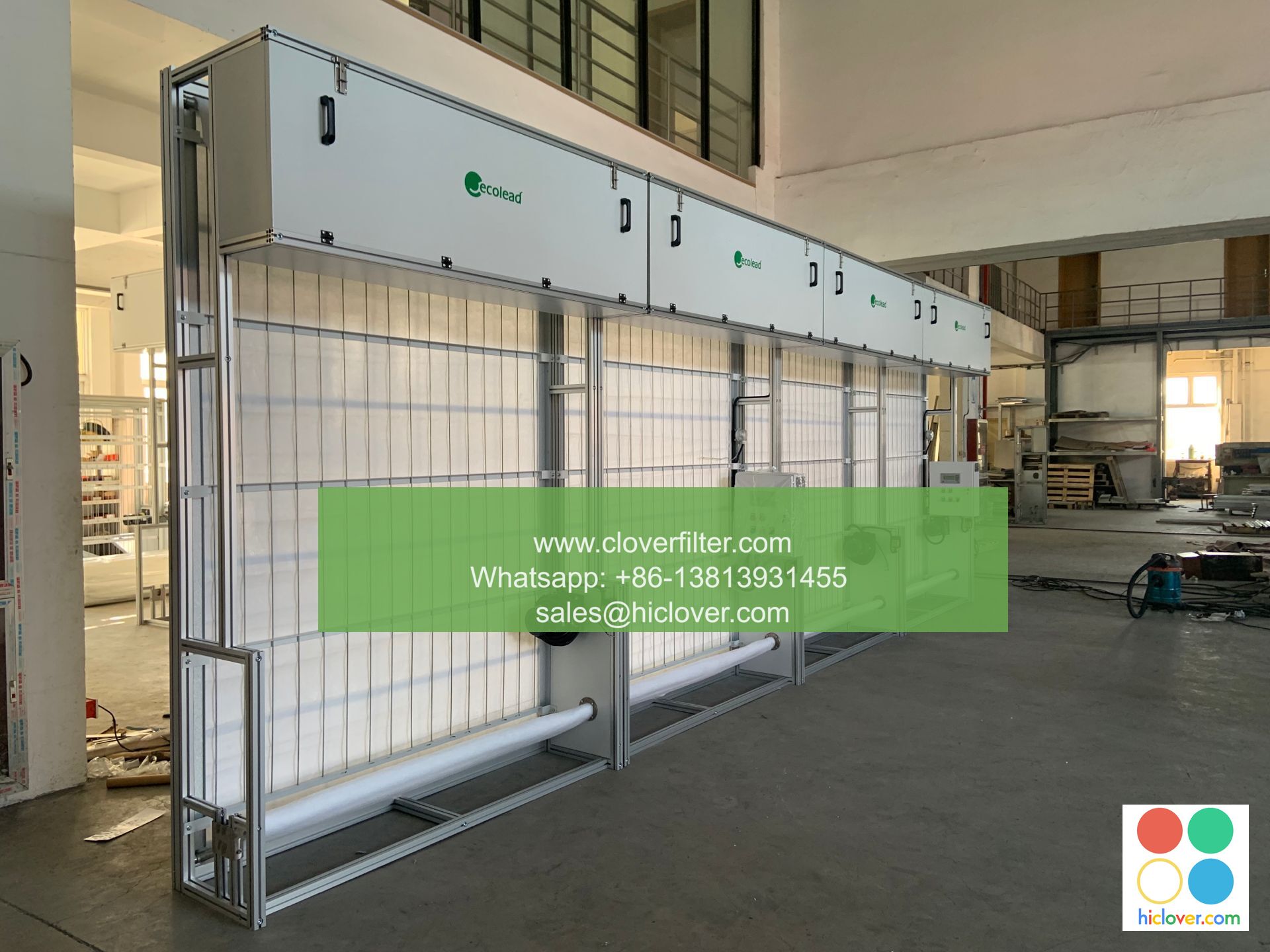
Data centers are the backbone of technological infrastructure, particularly for financial institutions in Canada, where rapid data processing and security are paramount. As these centers house sensitive information and operate at high capacities, maintaining optimal temperatures is crucial. This is where Automatic Roll Air Filters (ARAF) play a pivotal role in a data center’s cooling infrastructure.

Understanding Automatic Roll Air Filters
Automatic Roll Air Filters are advanced filtration systems designed to enhance the performance of air-conditioning units in data centers. Unlike traditional filters, which require manual replacements and adjustments, ARAF systems automatically roll out new layers of filter media when the existing media becomes contaminated. This self-cleaning mechanism ensures continuous airflow, while effectively removing dust, particulate matter, and other contaminants from the air. This not only improves air quality but also enhances cooling efficiency, leading to lower energy consumption and operational costs.
The Importance of Cooling in Data Centers
Data centers generate a substantial amount of heat due to the continuous operation of servers and other hardware. If this heat is not effectively managed, it can lead to equipment failures, reduced efficiency, and even catastrophic data loss. Therefore, a robust cooling infrastructure is essential. Automatic Roll Air Filters are integral to this cooling design, as they maintain a consistent temperature and humidity level, ensuring that sensitive equipment operates within optimal thresholds.
Benefits of Automatic Roll Air Filters
1. Enhanced Efficiency

The automated nature of ARAF systems means that they can adjust in response to changing environmental conditions. This adaptability ensures that air flows freely and doesn’t become blocked by contaminants, resulting in a more efficient cooling system.
2. Reduced Maintenance Costs
With traditional filters, routine maintenance can be time-consuming and costly. ARAF systems minimize upkeep by automatically swapping out the filter layers when necessary, leading to reduced labor costs and downtime.
3. Improved Air Quality
By continuously filtering the air, ARAF systems maintain a clean atmosphere within data centers, protecting sensitive equipment from damage caused by dust and allergens. This is especially important in the financial sector, where data integrity is paramount.
4. Energy Savings
The efficient operation of ARAF can lead to significant energy savings. By maintaining optimal cooling, these systems reduce the load on HVAC systems, leading to lower electricity bills and a reduced carbon footprint.
Challenges and Considerations
While Automatic Roll Air Filters provide numerous advantages, certain challenges must be addressed. The initial investment and installation costs can be higher than traditional systems. Additionally, financial institutions must ensure that the technology is compatible with their existing infrastructure. Regular monitoring and assessment are essential to maximize the system’s benefits and troubleshoot any potential issues.
Conclusion
In a rapidly evolving digital world, Canadian financial institutions must adapt to meet the demands of technology while ensuring the integrity and security of their data. Automatic Roll Air Filters represent a significant advancement in data center cooling infrastructure. By providing enhanced efficiency, reduced maintenance costs, improved air quality, and energy savings, they stand as a critical component in the operational framework of data centers. As a forward-thinking solution, ARAF technologies will help institutions maintain robust and reliable cooling systems for years to come.
FAQs
1. What are Automatic Roll Air Filters?
Automatic Roll Air Filters are advanced filtration systems used in data centers that automatically replace filter media when contaminated, ensuring continuous airflow and improved cooling efficiency.
2. How do ARAF systems improve energy efficiency?
By ensuring uninterrupted airflow and optimal cooling conditions, ARAF systems reduce the load on HVAC systems, leading to lower energy consumption and cost savings.
3. Are there any downsides to installing ARAF systems?
The primary considerations include initial installation costs and ensuring compatibility with existing infrastructure. Ongoing maintenance is also necessary to ensure optimal performance.
4. Can ARAF systems be used in other industries?
Yes, while ARAF systems are vital in data centers, they can also be beneficial in various industries where air quality and temperature control are critical, such as pharmaceuticals and manufacturing.
