Automatic Roll Air Filters: A Critical Component of High-Purity Labs at UofM
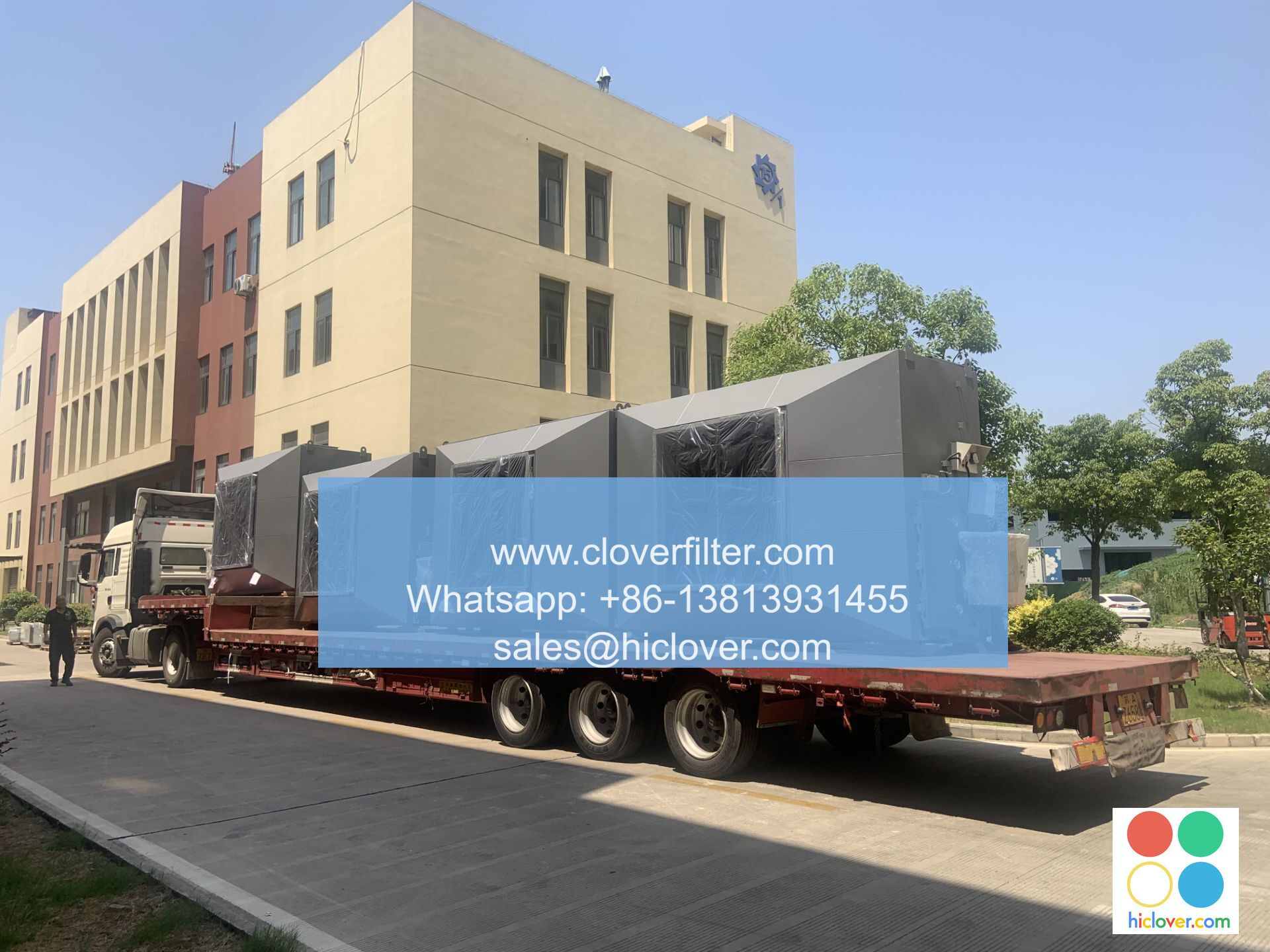
In the realm of scientific research, particularly within high-purity laboratories at the University of Michigan (UofM), maintaining a contamination-free environment is paramount. One of the most essential components ensuring this clean environment is the automatic roll air filters. These advanced filtration systems play a vital role in various application areas, making them indispensable for researchers and lab technicians.
The Importance of Air Quality in High-Purity Labs

High-purity labs at UofM often engage in sensitive scientific processes that require stringent control over the laboratory environment. Even the slightest contamination can lead to inaccurate results, compromised experiments, and wasted resources. Thus, automatic roll air filters are implemented to rigorously manage the air quality.
How Automatic Roll Air Filters Work
These filtration systems consist of large rolls of fabric filter media that automatically advance, exposing fresh material to the airflow. This automated mechanism ensures a continuous supply of clean air while minimizing labor costs associated with manual filter changes. The filters trap particulates, microbes, and other unwanted airborne substances, ensuring that sensitive experiments are conducted in a pristine environment.
Application Areas of Automatic Roll Air Filters
Automatic roll air filters find their applications across various aspects of high-purity lab operations at UofM:

1. Semiconductor Research
In semiconductor fabrication facilities, even the tiniest impurities can ruin the manufacturing process. The automatic roll air filters effectively remove particles, ensuring the cleanroom maintains the required ISO standards.
2. Pharmaceutical Development
Pharmaceutical labs rely heavily on automatic roll air filters to prevent contamination during drug formulation and testing phases. Strict adherence to air quality control helps in compliance with regulatory standards.
3. Biotechnology
Biotechnology researchers at UofM utilize these filters to protect sensitive biological samples that could be jeopardized by airborne contaminants. This ensures the integrity of research outcomes.
4. Environmental Testing
In labs focused on environmental testing, maintaining air purity is crucial for accurately measuring pollutants and conducting research studies pertaining to climate change and ecological shifts.
The Future of Filtering Techniques at UofM
As technology continues to evolve, the development of automatic roll air filters is expected to advance further, incorporating smarter automation, real-time monitoring systems, and enhanced filtration materials. This progression not only ensures superior air quality but also aligns with UofM’s commitment to sustainable and responsible laboratory practices.
Conclusion
In conclusion, automatic roll air filters serve as a critical component for maintaining air quality in high-purity labs at the University of Michigan. Their significance spans various application areas including semiconductor research, pharmaceutical development, biotechnology, and environmental testing. By investing in and optimizing these filtration systems, UofM continues to uphold its reputation as a leader in high-quality scientific research.
