Automatic Roll Air Filters: A Game-Changer for St. John’s Hospital’s Air Quality
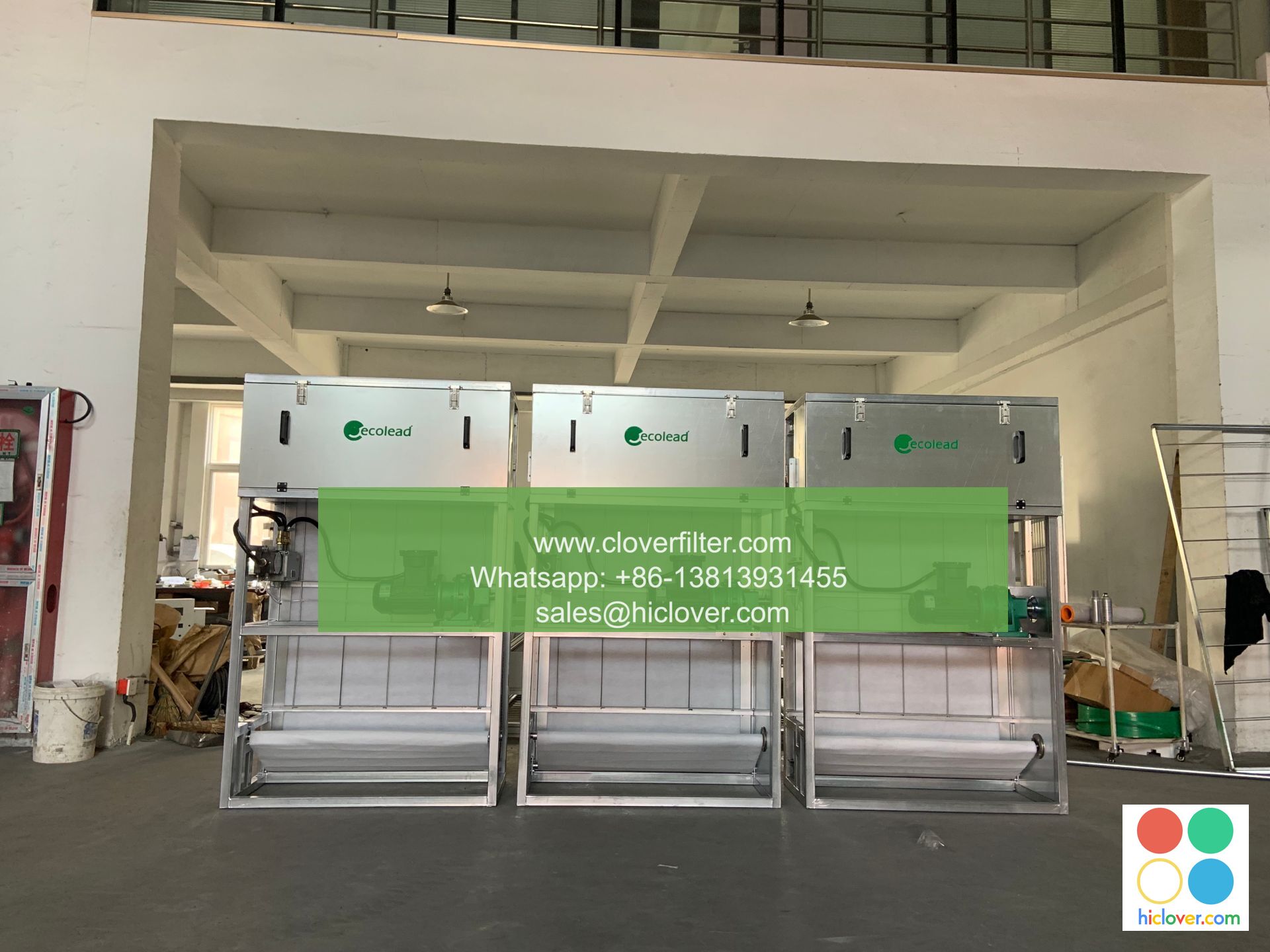
St. John’s Hospital, a prominent healthcare institution, has been at the forefront of embracing innovative technologies to enhance patient care and overall experience. One such groundbreaking solution is the integration of Automatic Roll Air Filters (ARAF) into its air quality management system. This cutting-edge technology has revolutionized the way the hospital maintains its indoor air quality, ensuring a healthier environment for patients, staff, and visitors alike.
The traditional air filtration systems used in hospitals often relied on manual replacement of filters, which can be time-consuming, labor-intensive, and prone to human error. Moreover, these systems may not provide optimal filtration efficiency, especially during peak periods of high foot traffic or when dealing with airborne pathogens. The introduction of ARAF has transformed this landscape by providing a seamless, automated, and highly efficient solution for air filtration.

So, how do ARAF work? These sophisticated systems utilize advanced sensors and algorithms to continuously monitor indoor air quality, detecting even the slightest changes in particulate matter, gases, and other airborne contaminants. When the air quality drops below a predetermined threshold, the system automatically activates, rolling out a fresh, clean filter to replace the existing one. This process ensures that the air is consistently purified, meeting the stringent standards required in healthcare settings.
The benefits of ARAF in St. John’s Hospital are multifaceted. Firstly, the automated replacement of filters reduces the workload on maintenance staff, allowing them to focus on more critical tasks. Secondly, the consistent and high-level filtration efficiency minimizes the risk of airborne infections, creating a safer environment for patients with compromised immune systems. Thirdly, the real-time monitoring and adaptive response of ARAF enable the hospital to respond promptly to changes in air quality, ensuring that the indoor environment remains healthy and comfortable at all times.
Furthermore, the ARAF system has also led to significant energy savings and reduced waste generation. By optimizing filter replacement and minimizing the need for manual interventions, the hospital has seen a notable decrease in energy consumption and waste disposal costs. This, in turn, has contributed to a more sustainable and environmentally friendly operation, aligning with the hospital’s commitment to reducing its ecological footprint.
In addition to the operational benefits, the integration of ARAF has also enhanced the overall patient experience. Patients and visitors can now breathe easy, knowing that the air they inhale is clean and pure. The improved air quality has also led to a reduction in respiratory issues and other airborne-related health problems, resulting in shorter hospital stays and faster recovery times.

The success of ARAF in St. John’s Hospital has also sparked interest among other healthcare institutions, with many exploring the possibility of adopting similar technologies. As the healthcare industry continues to evolve, it is likely that we will see widespread adoption of ARAF and other innovative air quality management solutions, ultimately leading to improved patient outcomes, reduced healthcare costs, and a healthier environment for all.
In conclusion, the introduction of Automatic Roll Air Filters in St. John’s Hospital has been a game-changer for its air quality management. By providing a seamless, automated, and highly efficient solution, ARAF has enhanced patient care, reduced operational costs, and contributed to a more sustainable and environmentally friendly operation. As the healthcare industry continues to embrace innovative technologies, it is likely that ARAF will play a crucial role in shaping the future of air quality management in hospitals and healthcare settings.
FAQs
Q: What is an Automatic Roll Air Filter (ARAF)?
ARAF is a advanced air filtration system that uses sensors and algorithms to monitor indoor air quality and automatically replace filters as needed.
Q: How does ARAF benefit St. John’s Hospital?
ARAF benefits St. John’s Hospital by providing consistent and high-level filtration efficiency, reducing the risk of airborne infections, minimizing energy consumption and waste generation, and enhancing the overall patient experience.
Q: Is ARAF suitable for other healthcare institutions?
Yes, ARAF can be adopted by other healthcare institutions to improve their air quality management and patient care.
Q: What are the key features of ARAF?
The key features of ARAF include real-time monitoring, automated filter replacement, high-level filtration efficiency, and energy savings.
Q: How does ARAF contribute to a more sustainable and environmentally friendly operation?
ARAF contributes to a more sustainable and environmentally friendly operation by minimizing energy consumption and waste generation, reducing the need for manual interventions, and optimizing filter replacement.
