Automatic Roll Air Filters: A Key Component of Montreal Cleanroom Validation for Medical Device Manufacturing
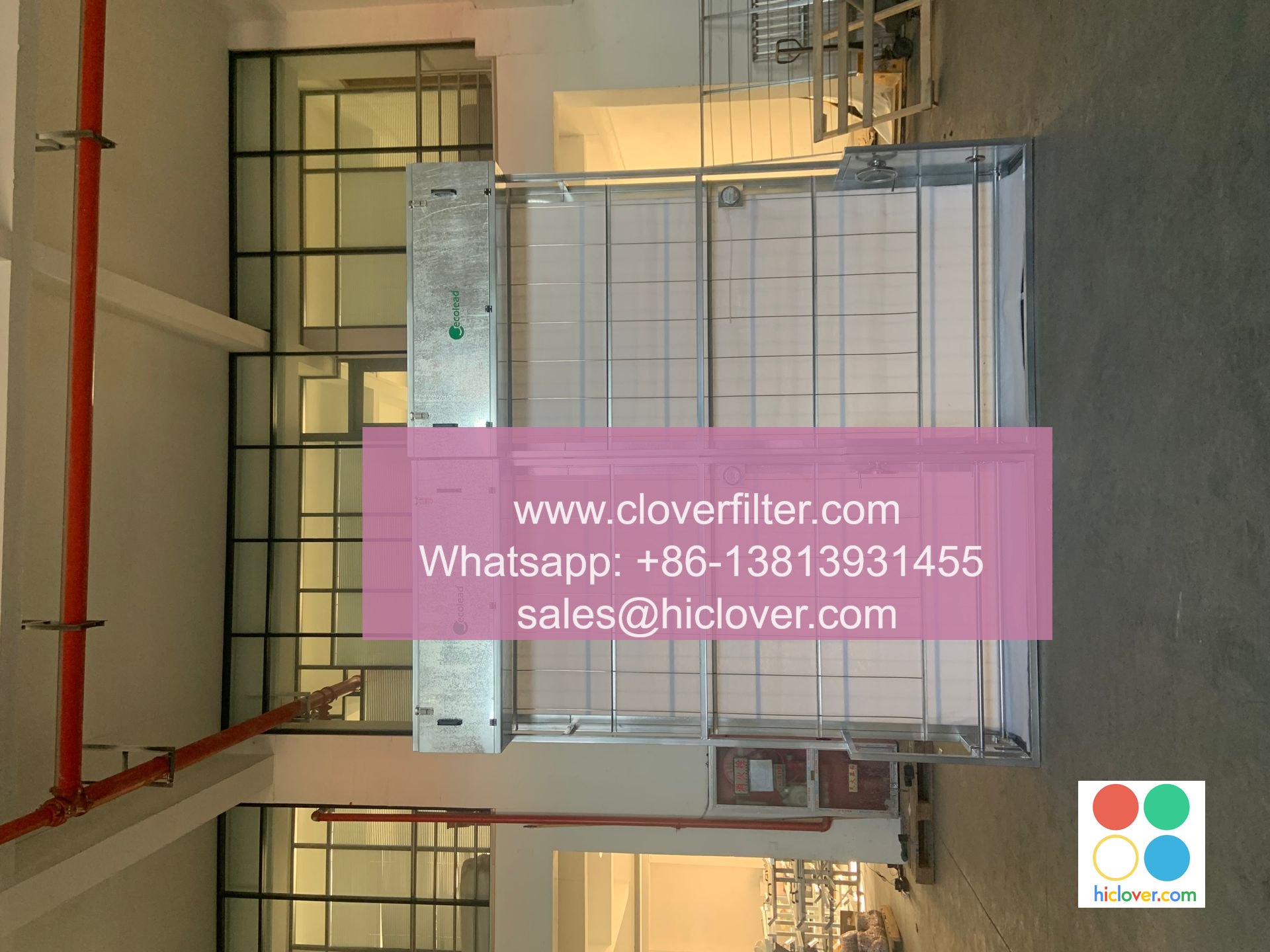
In the highly regulated world of medical device manufacturing, cleanliness is paramount. Cleanrooms are designed to minimize the contamination of products by maintaining strict environmental controls. One crucial element of this cleanroom environment is the air filtration system, specifically the use of automatic roll air filters. These filters play an essential role in maintaining air quality and ensuring compliance with the validation standards established for cleanrooms in Montreal and beyond.
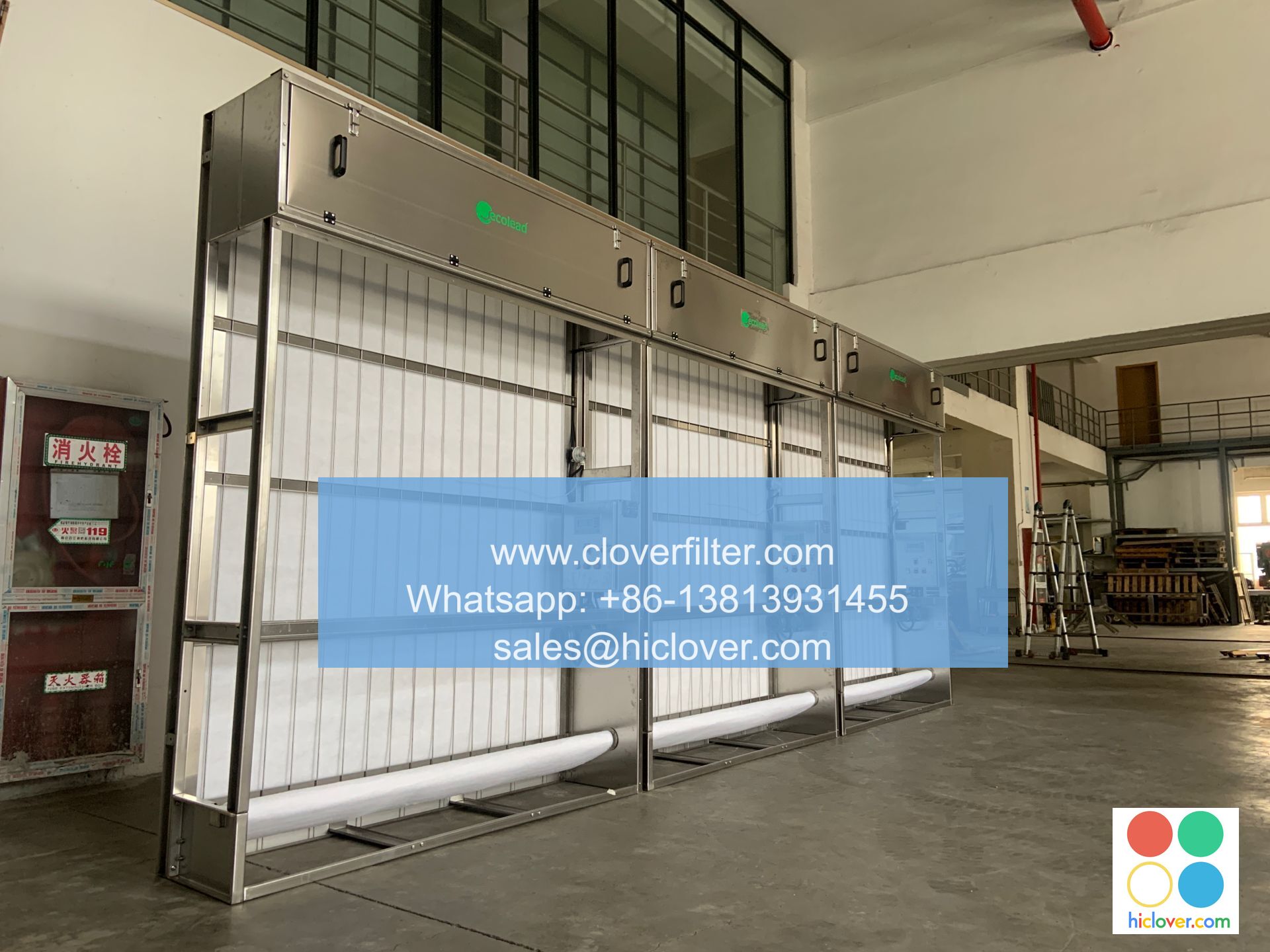
Understanding Automatic Roll Air Filters
Automatic roll air filters are advanced filtration systems that utilize a continuous roll of filter material designed to automatically replace the used filter. The primary function of these filters is to capture particulate matter, including dust, microorganisms, and other contaminants that could compromise the integrity of medical devices in production. Their automatic nature means they can continuously operate without the need for frequent manual intervention, thus enhancing efficiency and maintaining the stringent cleanliness standards required in a cleanroom environment.
Importance in Cleanroom Validation
In the context of cleanroom validation, particularly in Montreal, these air filters are instrumental. Validation is a critical process that ensures that the cleanroom complies with the requisite specifications for cleanliness, temperature, humidity, and pressure. The presence of a reliable air filtration system helps in achieving the desired Cleanroom Class, as outlined by regulatory bodies such as the FDA and ISO standards.
Montreal’s medical device manufacturers must adhere to rigorous validation protocols to guarantee that their processes lead to safe and effective products. Automatic roll air filters significantly contribute to this validation by consistently providing a high level of air purity. They ensure that airborne contaminants are efficiently removed, which is vital when working with sensitive instrumentation and sterile materials.

Operational Benefits
The integration of automatic roll air filters brings several operational benefits to medical device manufacturing cleanrooms. First and foremost is the reduction of human error. By minimizing the need for manual filter changes, these systems help maintain optimal cleanliness levels without the risks associated with improper handling or inadequate replacement schedules. This reliability is crucial in safeguarding the quality of the manufacturing environment.
Additionally, automatic roll air filters often come equipped with monitoring systems that provide real-time data on filter conditions and air quality. This information allows facility managers to take timely actions to address potential issues before they can compromise the cleanroom environment. The ability to track performance helps in maintaining compliance during audits and inspections while supporting proactive maintenance strategies.
Compliance and Regulatory Standards
Automated air filters must meet specific standards set by regulatory agencies such as ISO 14644 and the FDA. These standards specify the testing and monitoring of air quality, airflow rates, and filter efficiency. Implementing these filters demonstrates a commitment to compliance, which is crucial for any medical device manufacturer in Montreal seeking to succeed in a competitive market. Compliance not only fosters trust among stakeholders but is also essential for obtaining regulatory approvals.
Conclusion
Automatic roll air filters are an indispensable component of cleanroom validation in medical device manufacturing. Their ability to provide consistent air quality, reduce human error, and support compliance with regulatory standards makes them a critical investment for manufacturers. By ensuring a clean and controlled environment, these filters help safeguard the integrity of medical devices and, ultimately, public health. As technology advances, the role of automatic roll air filters in achieving operational excellence will become even more vital in the pursuit of safety and quality in medical products.
FAQs
1. What is the difference between manual and automatic roll air filters?
Manual air filters require frequent changes by personnel, whereas automatic roll air filters continuously replace the used filter material automatically, reducing the need for manual handling and minimizing the risk of human error.
2. How often should automatic roll air filters be replaced?
The replacement frequency depends on various factors including the level of particulate contamination in the environment and the specific operational guidelines of the cleanroom. Regular monitoring and maintenance are essential for optimal performance.
3. Can automatic roll air filters be used in other industries?
Yes, while they are crucial in medical device manufacturing, automatic roll air filters can be beneficial in other industries that require stringent air quality standards, such as pharmaceuticals, aerospace, and electronics.
4. How do automatic roll air filters contribute to cleanroom validation?
The filters ensure that airborne contaminants are effectively removed, thus helping maintain the cleanliness standards required for cleanroom validation, which is essential for regulatory compliance in medical device manufacturing.
This HTML code includes well-structured content covering the significance of automatic roll air filters in cleanroom validation for medical device manufacturing along with a conclusion and a FAQ section, as requested.
