Automatic Roll Air Filters: A Key Factor in Boeing’s Aerospace Cleanroom Quality Control
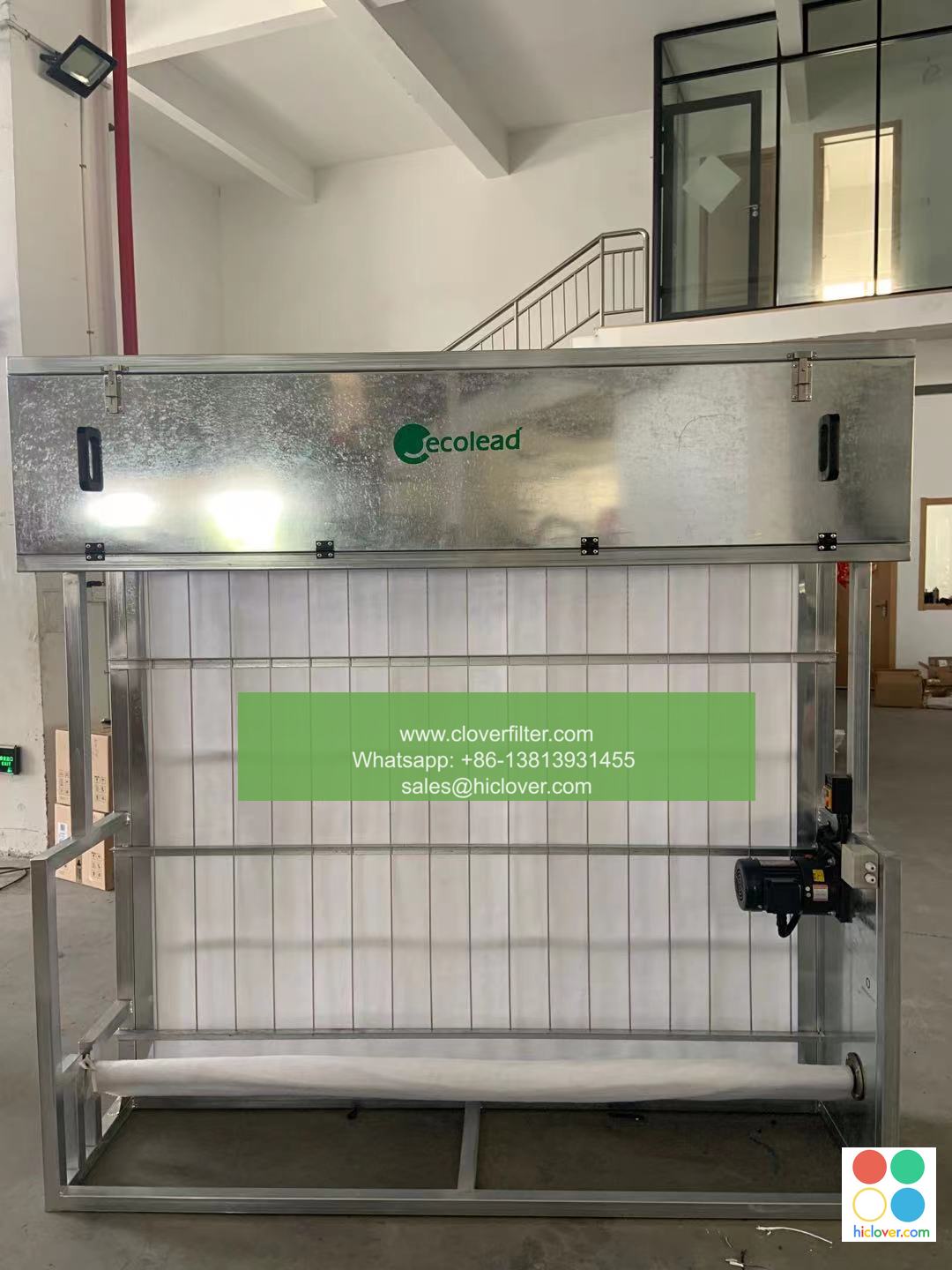
The aerospace sector is characterized by its stringent quality control standards, particularly in cleanroom environments. One of the unsung heroes in ensuring air quality and contamination control is the Automatic Roll Air Filter. As Boeing and other aerospace manufacturers strive for excellence, these filters play an indispensable role in maintaining the integrity of cleanrooms crucial for manufacturing aircraft components.
The Importance of Cleanroom Air Quality

Cleanroom air quality is vital in aerospace manufacturing, as even minor contamination can lead to significant failures. In an industry where precision and reliability are paramount, Boeing implements advanced cleanroom technologies, including automatic roll air filters, to ensure a contaminant-free environment.
How Automatic Roll Air Filters Work
Automatic roll air filters utilize a continuous roll of filter media that automatically advances when a section becomes contaminated or clogged. This design reduces manual intervention and increases efficiency. By integrating features such as pressure differential indicators and automatic cleaning mechanisms, these filters are designed to provide a steady flow of clean air while maintaining optimal filter conditions:
- Self-cleaning Mechanism: Reduces maintenance requirements.
- High Efficiency Particulate Air (HEPA): Captures 99.97% of particles that are 0.3 microns and larger.
- Low Energy Consumption: Optimizes energy use to reduce operational costs.
- Enhanced Product Quality: Lower rates of defects due to improved air quality.
- Cost-Effectiveness: Reduction in energy consumption lowers operational costs.
- Reduced Downtime: Automatic operation leads to less manual monitoring and intervention.
Application Areas of Automatic Roll Air Filters at Boeing
At Boeing, these advanced filtration systems find application across various stages of production:
1. Aircraft Assembly
In the assembly of aircraft components, contaminants such as dust and particles pose serious risks. Automatic roll air filters ensure that the air remains pristine as parts are processed and assembled.
2. Composite Material Fabrication
The use of composite materials in modern aircraft manufacturing requires a clean environment to prevent defects. The consistent airflow provided by these filters is essential in eliminating airborne particles.
3. Final Assembly Lines
During the final assembly stages, automatic roll air filters serve a critical role in maintaining atmospheric integrity, ensuring that all aerospace systems meet stringent quality standards.
Benefits of Implementing Automatic Roll Air Filters
The adoption of automatic roll air filters presents numerous advantages for aerospace manufacturers like Boeing:
Conclusion
As Boeing continues to lead the aerospace industry, automatic roll air filters are proving to be a key factor in maintaining cleanroom quality control. By ensuring a consistent flow of purified air, these filters help sustain the rigorous standards necessary for aircraft manufacturing. Investments in advanced filtration technologies underscore the commitment to quality, safety, and reliability in aerospace production.
