Automatic Roll Air Filters: A Key Factor in Research Lab Compliance with Regulatory Standards

In today’s high-stakes research environments, maintaining compliance with regulatory standards is paramount. Automatic roll air filters have emerged as a vital component in ensuring that research laboratories meet rigorous air quality and safety requirements. This article explores the significance of these innovative air filtration systems and their diverse application areas in maintaining compliance and enhancing operational efficiency.
The Role of Air Quality in Research Labs
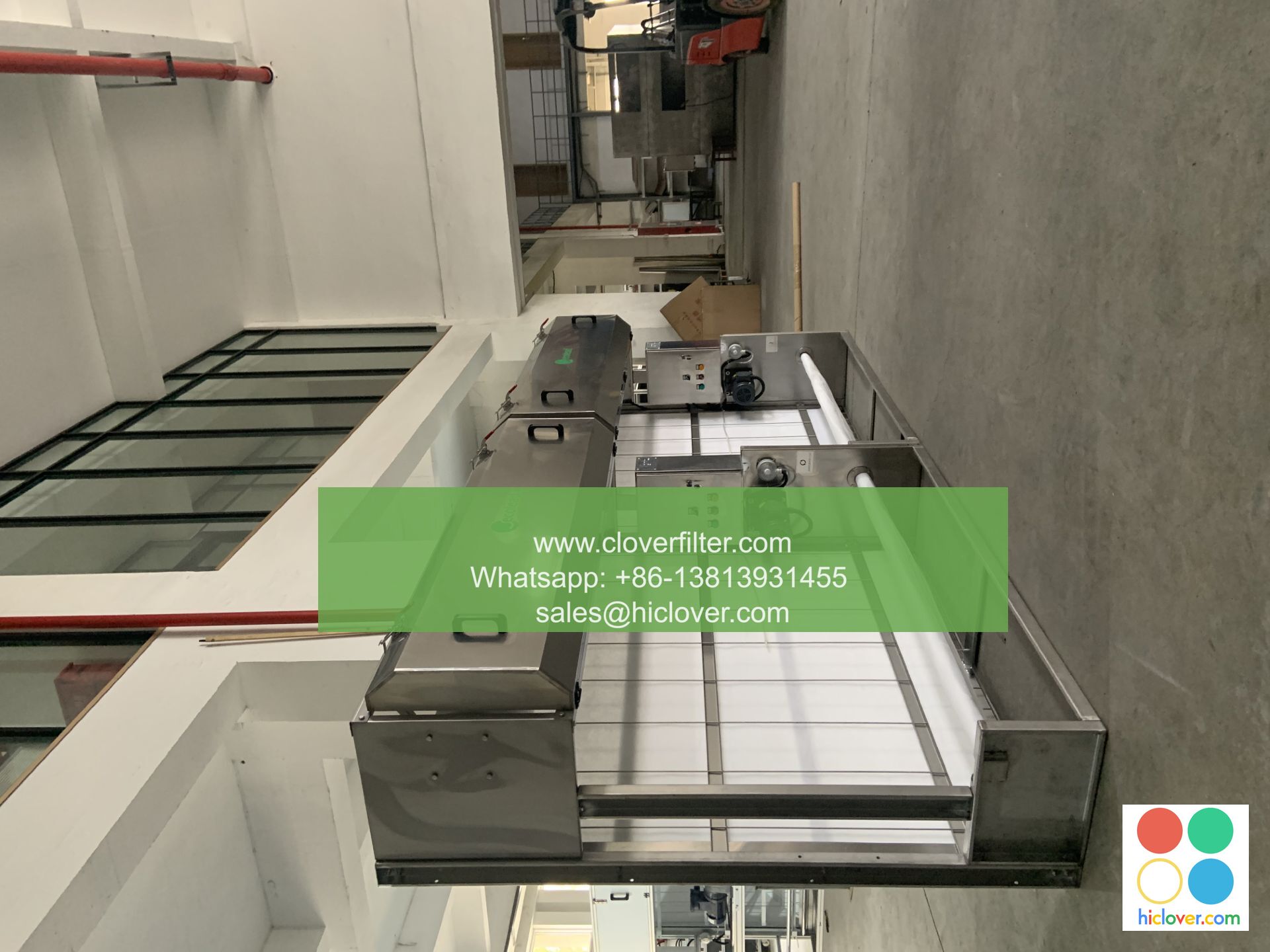
In any research lab, the air quality directly impacts not only the accuracy of the results but also the safety of the personnel working within the environment. Regular compliance with standards set by organizations such as the Occupational Safety and Health Administration (OSHA) and the Environmental Protection Agency (EPA) hinges on effective air filtration systems, making automatic roll air filters an essential investment.
What Are Automatic Roll Air Filters?
Automatic roll air filters are specialized filtration systems designed to provide continuous air filtration through a roll mechanism. These systems automatically feed new filter material into the system as older material becomes saturated with contaminants, ensuring constant air quality. The key benefits include:
- Reduced Maintenance: The automatic roll mechanism minimizes the need for frequent manual replacements.
- Consistent Filtration Efficiency: These systems ensure that the filter is always operating at optimal efficiency, helping maintain clean air.
- Compliance Assurance: Continuous operation reduces the risk of non-compliance due to poor air quality.
Applications of Automatic Roll Air Filters in Research Laboratories
Automatic roll air filters find applications across various sectors within research labs:
1. Pharmaceutical Research
In pharmaceutical laboratories, contamination can lead to significant delays and financial losses. Implementing automatic roll air filters ensures their aseptic environments are maintained, thus supporting compliance with Good Manufacturing Practice (GMP) standards.
2. Biotechnology
Biotechnology labs often deal with sensitive biological materials that require controlled environments. Automatic roll air filters help maintain sterile conditions necessary for experiments and product development, helping to meet regulatory standards.
3. Environmental Testing
Environmental research relies on accurate measurements of air quality. By utilizing automatic roll air filters, labs can ensure that contaminants do not skew test results, thus complying with environmental regulations.
4. Academic Research Institutions
In academic settings, maintaining clean air is critical for conducting experiments. Automatic roll air filters provide an effective way to safeguard against airborne pollutants that could affect research outcomes. This also helps in meeting standards set forth by National Institutes of Health (NIH) and other institutions.
The Future of Air Filtration in Laboratories
As environmental regulations become increasingly stringent, the demand for advanced air filtration systems continues to rise. Automatic roll air filters represent a forward-thinking approach to laboratory air quality management, aligning with the trends towards sustainability and efficiency. Investing in these filtration solutions not only supports compliance but enhances the overall safety and efficacy of laboratory operations.
Conclusion
In summary, automatic roll air filters are pivotal in helping research laboratories comply with various regulatory standards. As the landscape of laboratory research evolves, so too will the technologies that support it. Organizations that integrate these air filtration systems are not only ensuring compliance but also fostering innovation and enhancing the safety of their research environments.
