Automatic Roll Air Filters: A Key Factor in Saskatoon’s Agricultural Production
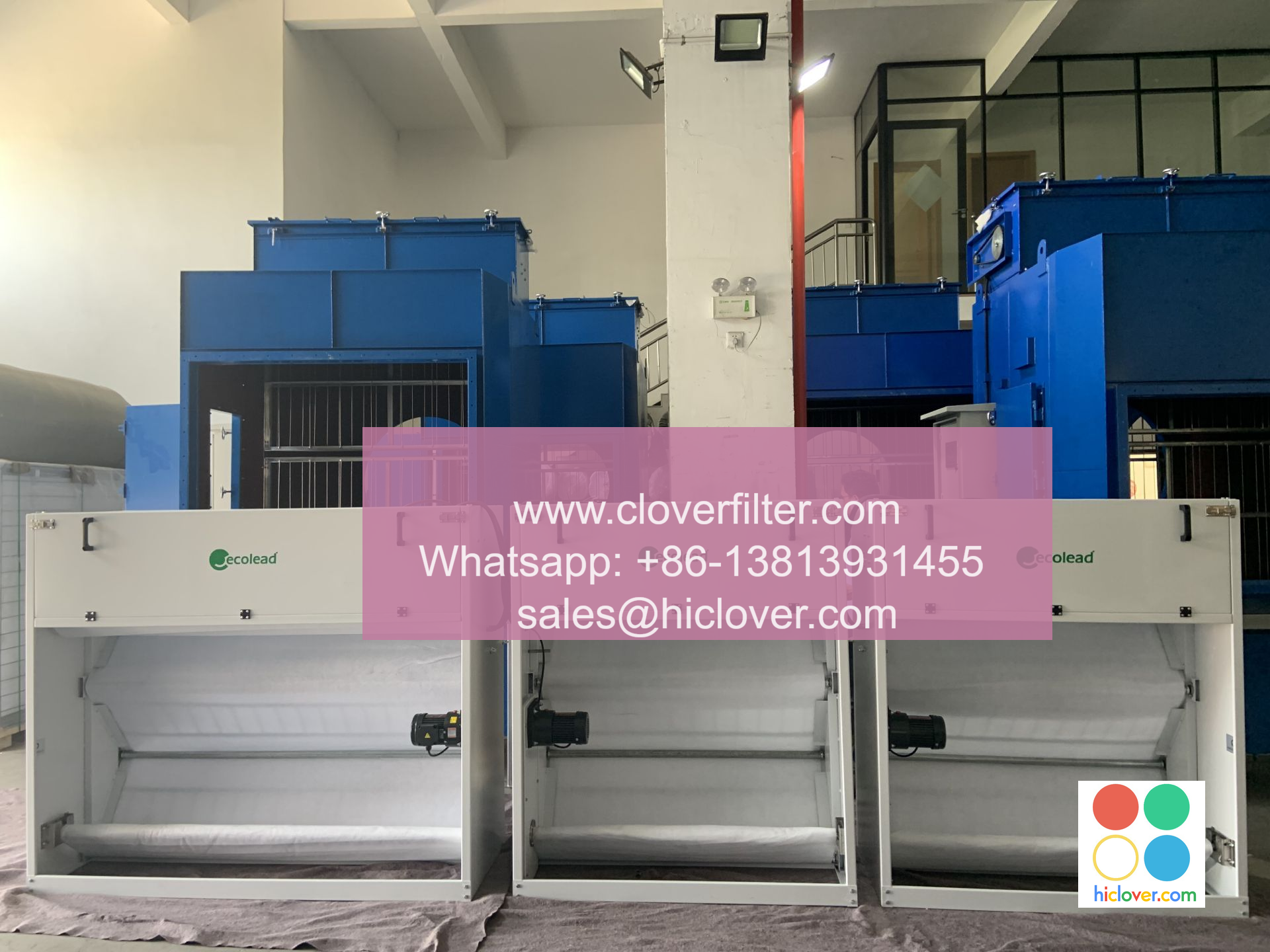
In the heart of the Canadian prairies, Saskatoon is renowned for its expansive agricultural landscape. With vast fields of wheat, canola, and various pulse crops, the efficiency of agricultural production is paramount. In recent years, automatic roll air filters have emerged as a crucial component in enhancing air quality within agricultural facilities, which has a profound impact on production efficiency and crop quality.

The Importance of Air Quality in Agriculture
Air quality is a critical factor affecting both livestock and crop production systems. In agricultural facilities, such as greenhouses and barns, pollutants like dust, ammonia, and other airborne pathogens can compromise air quality. Poor air quality can lead to respiratory issues in livestock and may hinder plant growth. Hence, maintaining a clean air environment is essential for maximizing yield and ensuring healthy animals.
What Are Automatic Roll Air Filters?
Automatic roll air filters are advanced filtering systems designed to effectively clean the air in agricultural settings. These filters operate on the principle of continuously rolling a fresh filter medium into place as the used portion is gradually removed. This automated process ensures that the air being circulated through agricultural facilities is consistently filtered, thereby minimizing impurities and promoting a healthier environment for crops and animals alike.
Benefits of Automatic Roll Air Filters in Saskatoon
- Enhanced Air Quality: By effectively removing dust, allergens, and pathogens, these filters significantly improve overall air quality, which is crucial for both livestock and crop health.
- Increased Efficiency: Automatic roll air filters operate without needing frequent manual intervention. This efficiency saves time and labor, allowing farmers to focus on other important tasks.
- Cost-Effective Solution: Although the initial investment might be higher than traditional filters, the longevity and reduced maintenance costs of automatic roll air filters make them a cost-effective choice over time.
- Environmental Impact: By incorporating environmentally friendly technologies in air filtration, farmers contribute to sustainable practices in agriculture, which is vital in today’s eco-conscious society.
Challenges in Implementation
While automatic roll air filters present numerous benefits, their implementation may pose challenges. Farmers in Saskatoon need to consider the upfront costs and the need for proper maintenance training. Additionally, not all agricultural setups may require such sophisticated solutions, making it essential to assess individual operational needs before investing in these systems.
Conclusion
Automatic roll air filters play an essential role in improving air quality within agricultural facilities in Saskatoon. As agriculture continues to evolve, the adoption of innovative technologies such as these filters can lead to increased production efficiency and crop health. As farmers face the ongoing challenges of climate change and market demands, making informed decisions regarding air quality management can make a substantial difference in agricultural output and sustainability.
FAQs
1. How often do I need to replace the filter in an automatic roll air filter system?
The frequency of filter replacements can vary depending on the system used and the level of airborne particles in your specific agricultural environment. Generally, these systems are designed to allow for easy monitoring, and farmers should follow the manufacturer’s recommendations for optimal performance.
2. Are automatic roll air filters suitable for all types of agricultural facilities?
While automatic roll air filters are highly effective for many agricultural settings, the suitability should be evaluated on a case-by-case basis. Factors such as the size of the facility and specific air quality issues should be taken into account.
3. What maintenance is required for automatic roll air filters?
Maintenance generally involves periodic monitoring of filter conditions and ensuring that the rolling mechanism is functioning properly. Regular checks will ensure that the system operates efficiently and effectively in filtering out impurities.
