Automatic Roll Air Filters: A Proven Solution for Improving Air Quality in Alberta Oil and Gas Facilities: A Case Study
Introduction
Air quality in industrial environments, particularly in the oil and gas sector, is a pressing concern. Alberta’s oil and gas facilities, while pivotal to the province’s economy, grapple with significant emissions and airborne pollutants that can compromise both employee health and environmental standards. One innovative solution that has emerged is the automatic roll air filter systems. This article delves into the effectiveness of these systems in enhancing air quality within Alberta’s oil and gas facilities, showcasing a specific case study that highlights their advantages.

The Role of Automatic Roll Air Filters
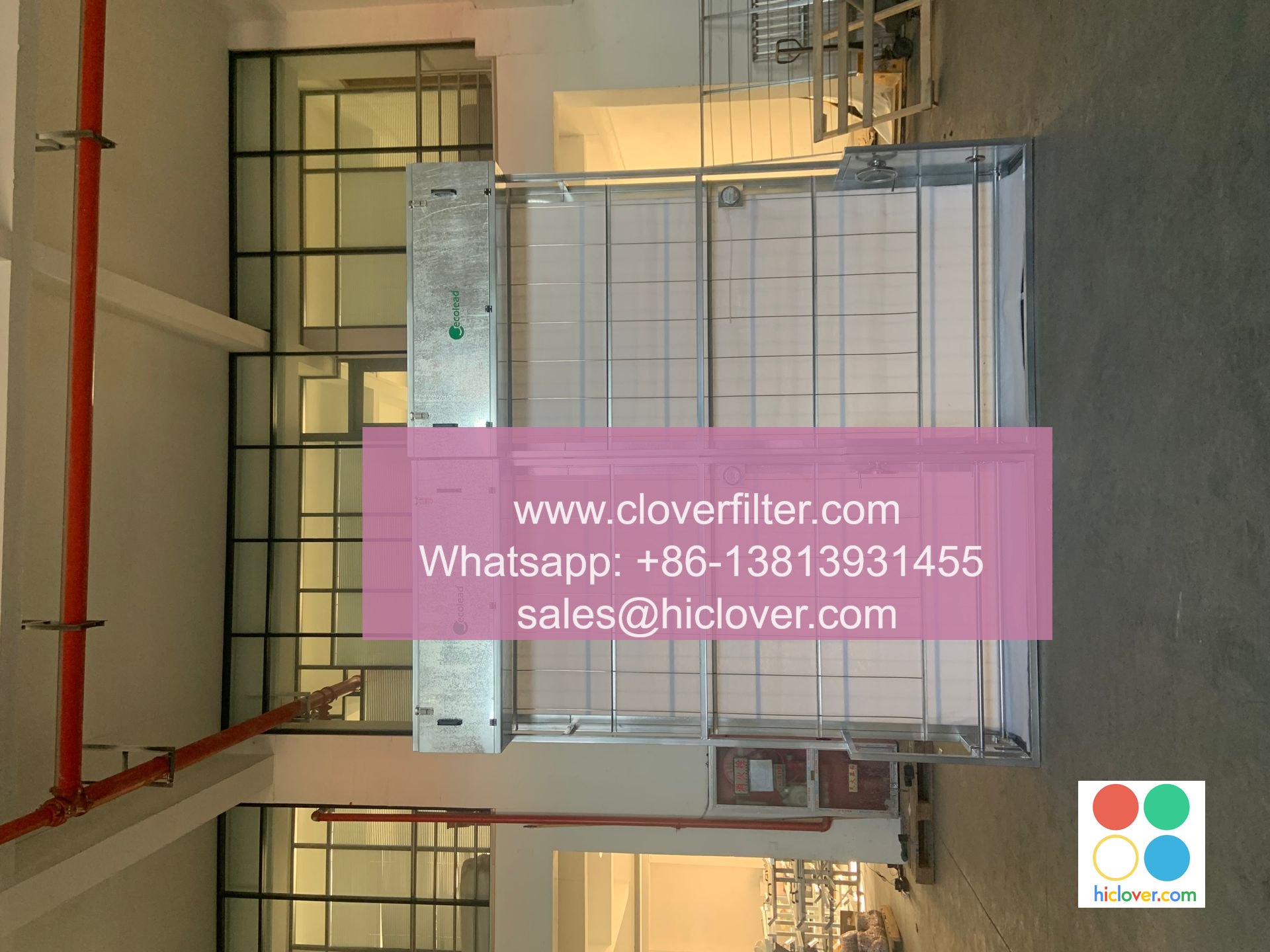
Automatic roll air filters are advanced filtration systems designed to minimize airborne contaminants in industrial settings. These systems operate by using a high-efficiency particulate air (HEPA) filter combined with a roll mechanism that allows for continuous, self-adjusting filtration. Unlike traditional filters that require manual replacement, these systems automatically roll in clean filter material as the dirty section is used up, ensuring uninterrupted protection against pollutants.
Case Study: Alberta Oil Facility
Consider a leading oil extraction facility in Northern Alberta that faced significant challenges concerning air quality compliance and employee health. Dust, volatile organic compounds (VOCs), and other particulates were prevalent due to ongoing operations. Following extensive research, the facility’s management decided to implement automatic roll air filter systems. The installation was completed in three phases, integrating meticulously with existing HVAC systems.
Implementation
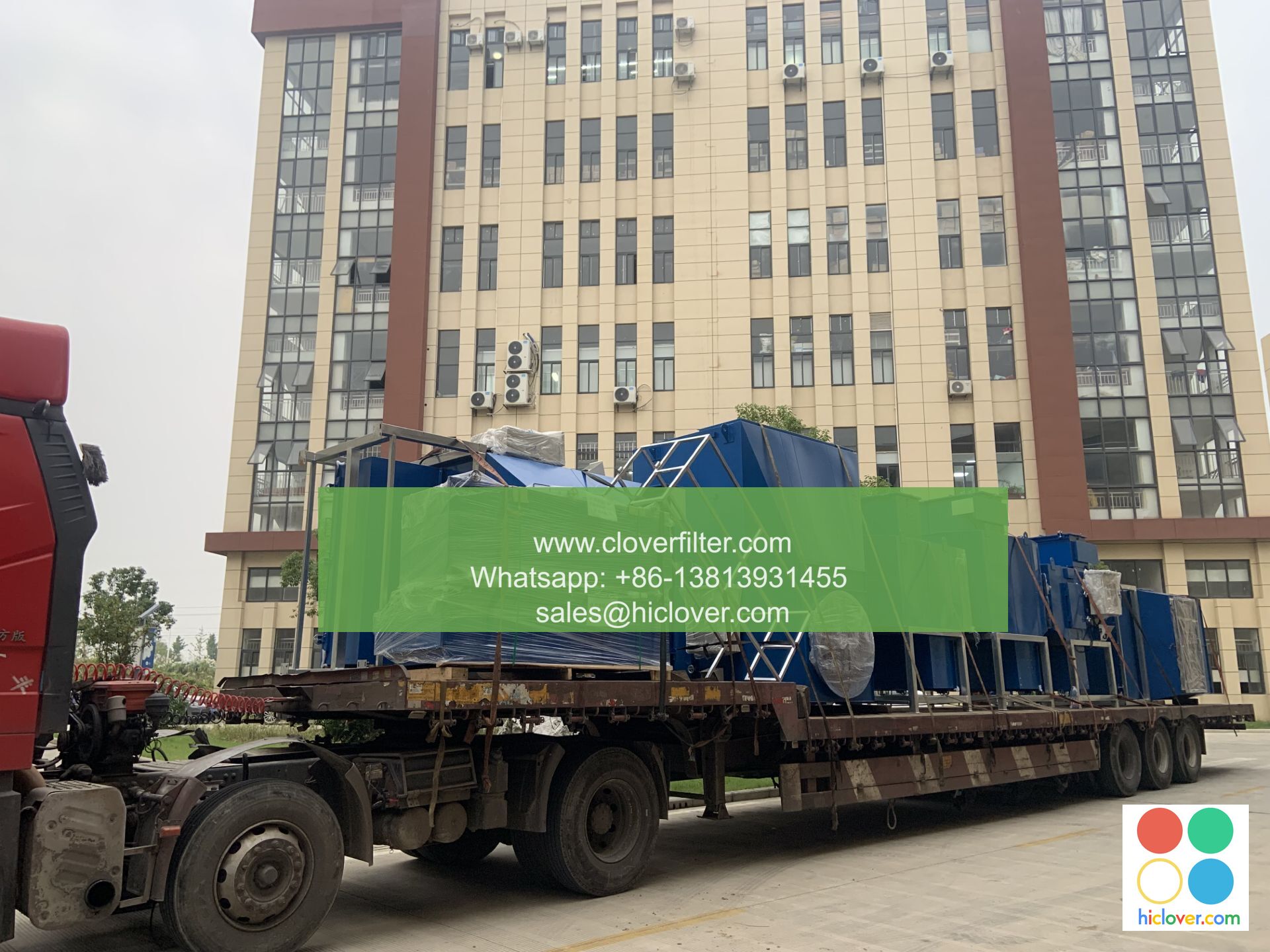
The initial phase involved setting up the filters in the main operational areas where airborne particles were most concentrated. Training sessions were conducted for the staff to ensure they understood the benefits and functionality of the automatic roll systems. The second phase focused on real-time monitoring, with air quality sensors placed throughout the facility to measure the impact of the filters.
Results
Within months, significant improvements were observed. The facility registered a 40% reduction in airborne particulate matter, vastly improving air quality. Employee reports also highlighted fewer respiratory issues, indicating a direct correlation between the implementation of the air filters and enhanced health. Additionally, compliance audits showed that the facility consistently met or exceeded Alberta’s stringent air quality regulations, resulting in improved public perception and employee morale.
Sustainability Impact
Moreover, the case study revealed an unexpected bonus: the energy efficiency of the HVAC system improved due to cleaner air distribution, leading to lower operational costs. The automatic roll air filters not only contributed to a healthier workplace but also aligned with sustainability goals by reducing the facility’s carbon footprint through efficient energy use and minimized emissions.
Conclusion
The case study demonstrates that automatic roll air filters represent a highly effective solution for improving air quality in Alberta’s oil and gas facilities. By enhancing air quality, protecting employee health, and ensuring compliance with environmental regulations, these systems provide multifaceted benefits that extend beyond immediate operational improvements. As the industry continues to evolve, adopting such innovations will be crucial for fostering a safer and more sustainable future.
FAQs
What is an automatic roll air filter?
An automatic roll air filter is a filtration system that continuously replaces its filter material automatically, ensuring ongoing air quality without the need for manual replacements.
How do these filters improve air quality?
These filters capture airborne pollutants like dust, VOCs, and other particulates, significantly reducing their concentration in the air.
Are automatic roll air filters energy efficient?
Yes, by maintaining cleaner air and optimizing HVAC operations, these filters contribute to lower energy costs and improved overall system efficiency.
Can these filters reduce health risks for employees?
Absolutely. Improved air quality directly correlates with reduced respiratory issues and overall better health outcomes for employees in industrial settings.
How can facilities measure the effectiveness of automatic roll air filters?
Facilities can utilize air quality sensors to monitor particulate levels before and after installation to assess the effectiveness of the filters.
