Automatic Roll Air Filters: A Review of Filter Media and Materials
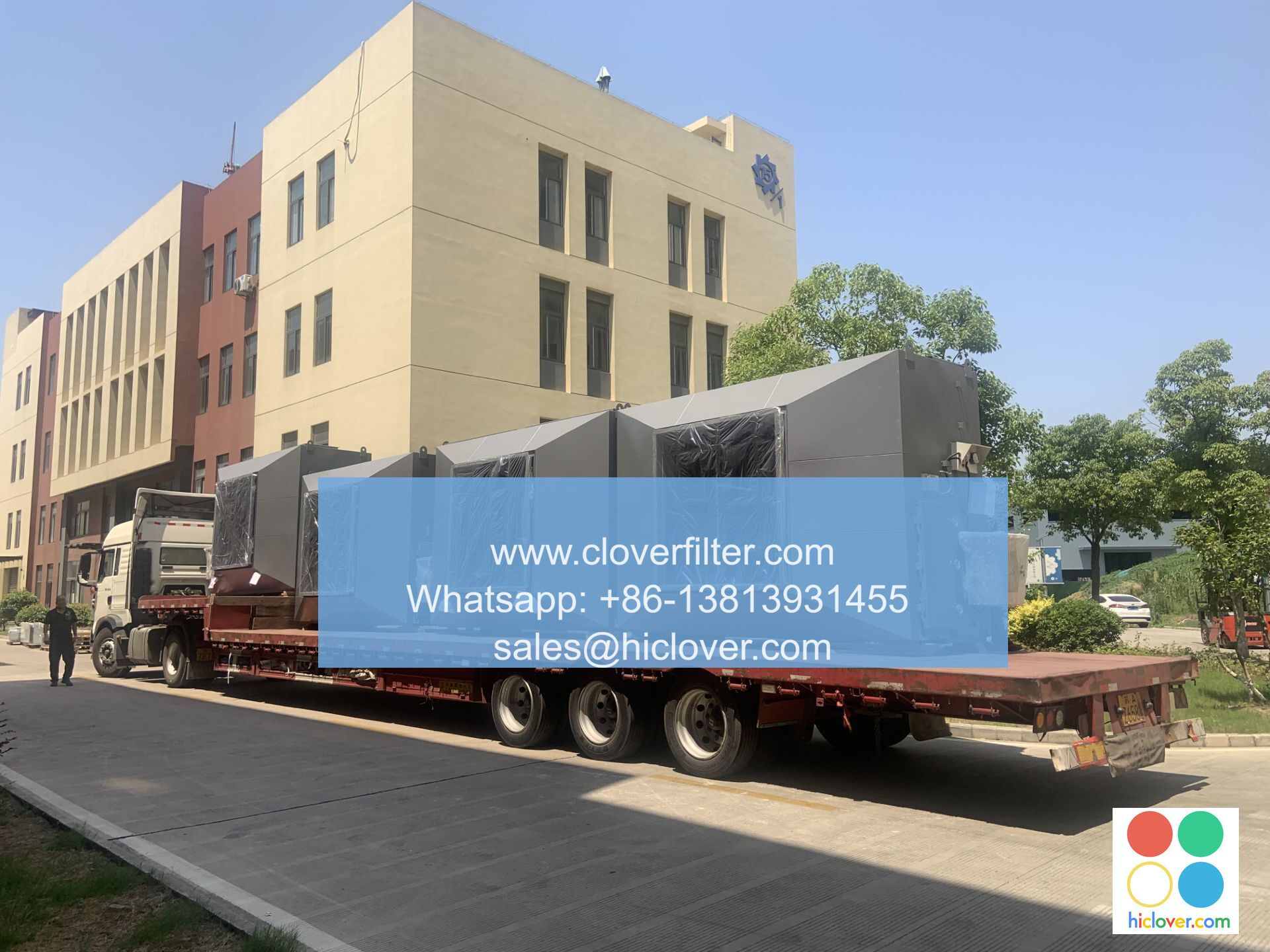
Automatic roll air filters have become an essential component in various industries, including HVAC, automotive, and industrial manufacturing. These filters are designed to provide efficient and effective air filtration, removing dust, pollen, and other airborne contaminants from the air. The filter media and materials used in automatic roll air filters play a crucial role in determining their performance and efficiency. In this article, we will review the different types of filter media and materials used in automatic roll air filters and their characteristics.
The most common types of filter media used in automatic roll air filters are fiberglass, synthetic fibers, and activated carbon. Fiberglass filters are the most widely used and are known for their low cost and ease of use. They are made from spun glass fibers that are bonded together to form a thick, porous mat. Fiberglass filters are effective at capturing large dust particles and other contaminants, but they may not be as effective at capturing smaller particles.

Synthetic fiber filters, on the other hand, are made from man-made fibers such as polyester or nylon. These filters are more effective at capturing smaller particles and are often used in applications where high-efficiency filtration is required. Synthetic fiber filters are also more durable and resistant to moisture than fiberglass filters, making them a popular choice for use in humid or high-traffic areas.
Activated carbon filters are used to capture gases and odors, rather than particles. They are made from activated carbon, a highly porous material that is capable of absorbing a wide range of gases and vapors. Activated carbon filters are often used in applications where odor control is a priority, such as in restaurants, hospitals, and laboratories.
In addition to the type of filter media used, the materials used to construct the filter also play an important role in determining its performance. The most common materials used to construct automatic roll air filters are cardboard, plastic, and metal. Cardboard filters are the least expensive and are often used in residential applications. Plastic filters are more durable and resistant to moisture than cardboard filters and are often used in commercial and industrial applications. Metal filters are the most durable and are often used in heavy-duty industrial applications where high-efficiency filtration is required.
The thickness and density of the filter media also play a critical role in determining the performance of the filter. Thicker filters with higher densities are more effective at capturing smaller particles, but may also increase the pressure drop across the filter, which can reduce airflow and increase energy consumption. Thinner filters with lower densities, on the other hand, may not be as effective at capturing smaller particles, but can provide higher airflow and lower pressure drop.

Another important factor to consider when selecting an automatic roll air filter is the MERV (Minimum Efficiency Reporting Value) rating. The MERV rating is a standard that measures the filter’s ability to capture particles of different sizes. Filters with higher MERV ratings are more effective at capturing smaller particles and are often used in applications where high-efficiency filtration is required.
In conclusion, the filter media and materials used in automatic roll air filters play a critical role in determining their performance and efficiency. By selecting the right type of filter media and materials, and considering factors such as thickness, density, and MERV rating, users can ensure that their air filtration system provides effective and efficient filtration, removing dust, pollen, and other airborne contaminants from the air.
Frequently Asked Questions
Q: What is the difference between fiberglass and synthetic fiber filters?
A: Fiberglass filters are made from spun glass fibers and are effective at capturing large dust particles, while synthetic fiber filters are made from man-made fibers and are more effective at capturing smaller particles.
Q: What is the purpose of activated carbon filters?
A: Activated carbon filters are used to capture gases and odors, rather than particles, and are often used in applications where odor control is a priority.
Q: What is the MERV rating and how does it affect filter performance?
A: The MERV rating is a standard that measures the filter’s ability to capture particles of different sizes. Filters with higher MERV ratings are more effective at capturing smaller particles and are often used in applications where high-efficiency filtration is required.
Q: How often should I replace my automatic roll air filter?
A: The frequency of replacement depends on the type of filter and the application. Generally, filters should be replaced every 1-3 months, or as recommended by the manufacturer.
