Automatic Roll Air Filters: A Solution for Reducing Air Pollution in Regina’s Chemical Plant
Introduction
In today’s world, air pollution has become a pressing concern, especially in industrial areas such as chemical plants. Regina, Saskatchewan, is no exception to this issue, as its chemical plants contribute significantly to local air quality degradation. In response to these environmental challenges, innovative solutions are emerging—one of which is the implementation of automatic roll air filters. These advanced filtration systems are designed to enhance air quality by effectively capturing particulate matter and airborne pollutants, thus providing a cleaner and safer environment for both workers and residents.

Understanding Automatic Roll Air Filters
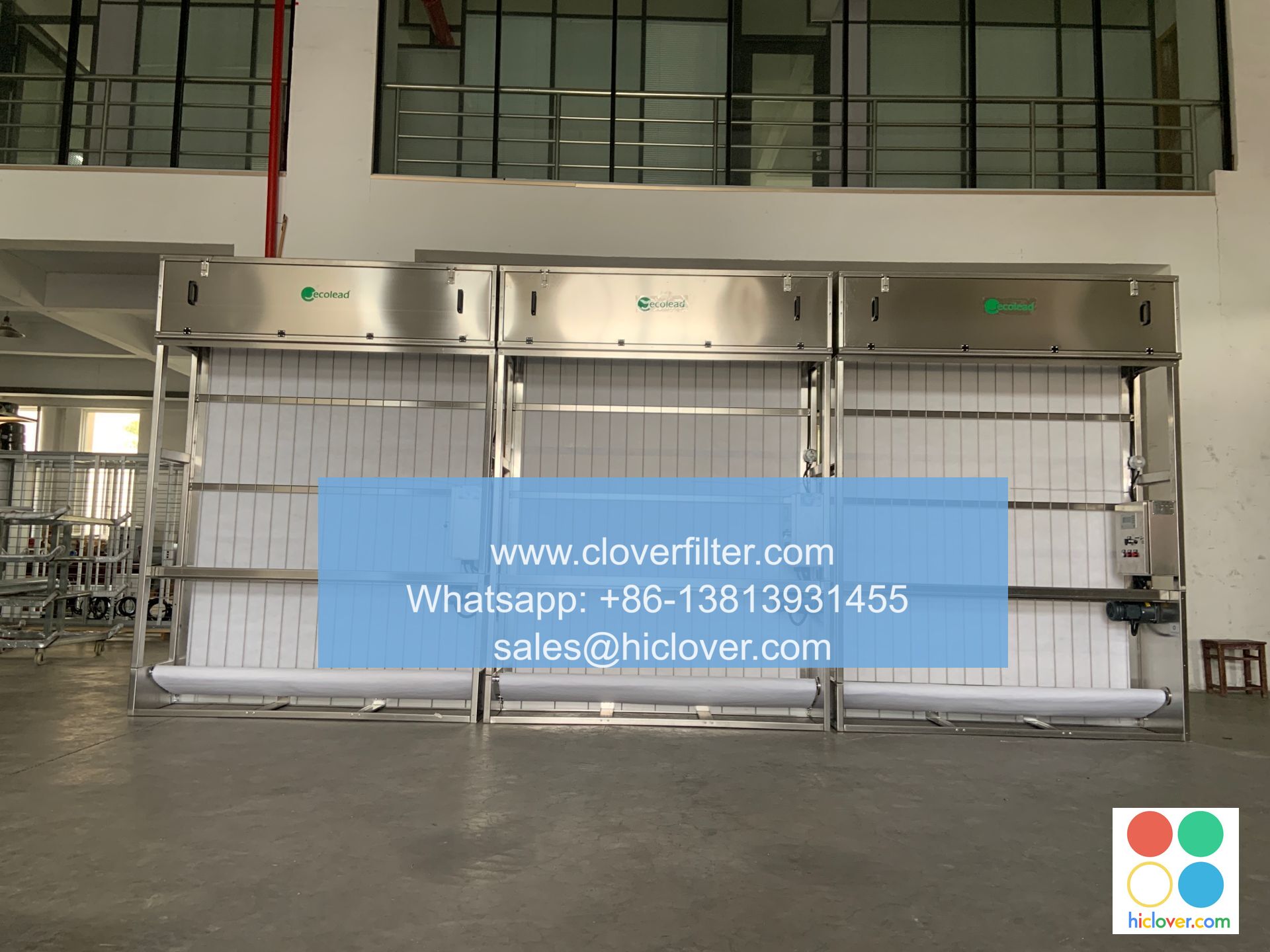
Automatic roll air filters are a state-of-the-art technology in air filtration. Unlike traditional filters, which require manual changes and maintenance, roll filters operate automatically, rolling out fresh filter material as needed. This continuous operation ensures that air quality is consistently optimized. The design allows for a greater surface area, which means they capture more contaminants while maintaining efficient airflow.
Benefits of Automatic Roll Air Filters
There are several advantages to using automatic roll air filters in Regina’s chemical plants:
- Increased Efficiency: These filters are designed for high efficiency, capturing a wide array of pollutants, including dust, smoke, and chemical residues.
- Reduced Maintenance: The automatic nature of roll filters minimizes the need for frequent manual maintenance, allowing plant operators to focus on other critical tasks.
- Cost-Effective: By reducing maintenance requirements and extending the life span of the filter materials, the overall operating costs can be significantly lowered.
- Environmentally Friendly: Improved air quality leads to a healthier environment, benefiting both the local community and the planet.
- Compliance with Regulations: Implementing these filters helps chemical plants meet stringent air quality standards mandated by environmental regulatory agencies.

Impact on Local Air Quality
The implementation of automatic roll air filters in Regina’s chemical plants has the potential to drastically improve the air quality not just within the plants but in the surrounding areas as well. By capturing harmful emissions before they disperse into the atmosphere, these filters can reduce the overall pollution levels, thereby contributing to the health and wellbeing of local residents. With cleaner air, the community experiences fewer respiratory problems, allergies, and other health issues associated with poor air quality.
Conclusion
Automatic roll air filters offer a profound solution for reducing air pollution in Regina’s chemical plants. Their ability to efficiently capture pollutants, combined with low maintenance needs, makes them an ideal choice for industries seeking to improve air quality while remaining compliant with environmental regulations. As more facilities adopt this technology, the result will be cleaner air and a healthier community, demonstrating a powerful synergy between industrial progress and environmental stewardship.
FAQs
What are automatic roll air filters?
Automatic roll air filters are advanced air filtration systems that automatically feed and change filter media, ensuring continuous and efficient air filtration.
How do these filters reduce air pollution?
These filters capture harmful airborne pollutants, including particulate matter and chemical residues, preventing them from entering the atmosphere and affecting local air quality.
Are automatic roll air filters easy to maintain?
Yes, they are designed to require minimal manual maintenance due to their automatic operation, which reduces the frequency of filter replacements.
Can they help chemical plants comply with environmental regulations?
Absolutely. By effectively capturing pollutants, automatic roll air filters assist chemical plants in meeting stringent air quality standards and regulations.
What is the impact on local communities?
The implementation of these filters can lead to improved air quality, resulting in better health outcomes for local residents and contributing to a cleaner environment overall.
