Automatic Roll Air Filters: A Solution to Oil and Gas Plant Inventory Management Challenges
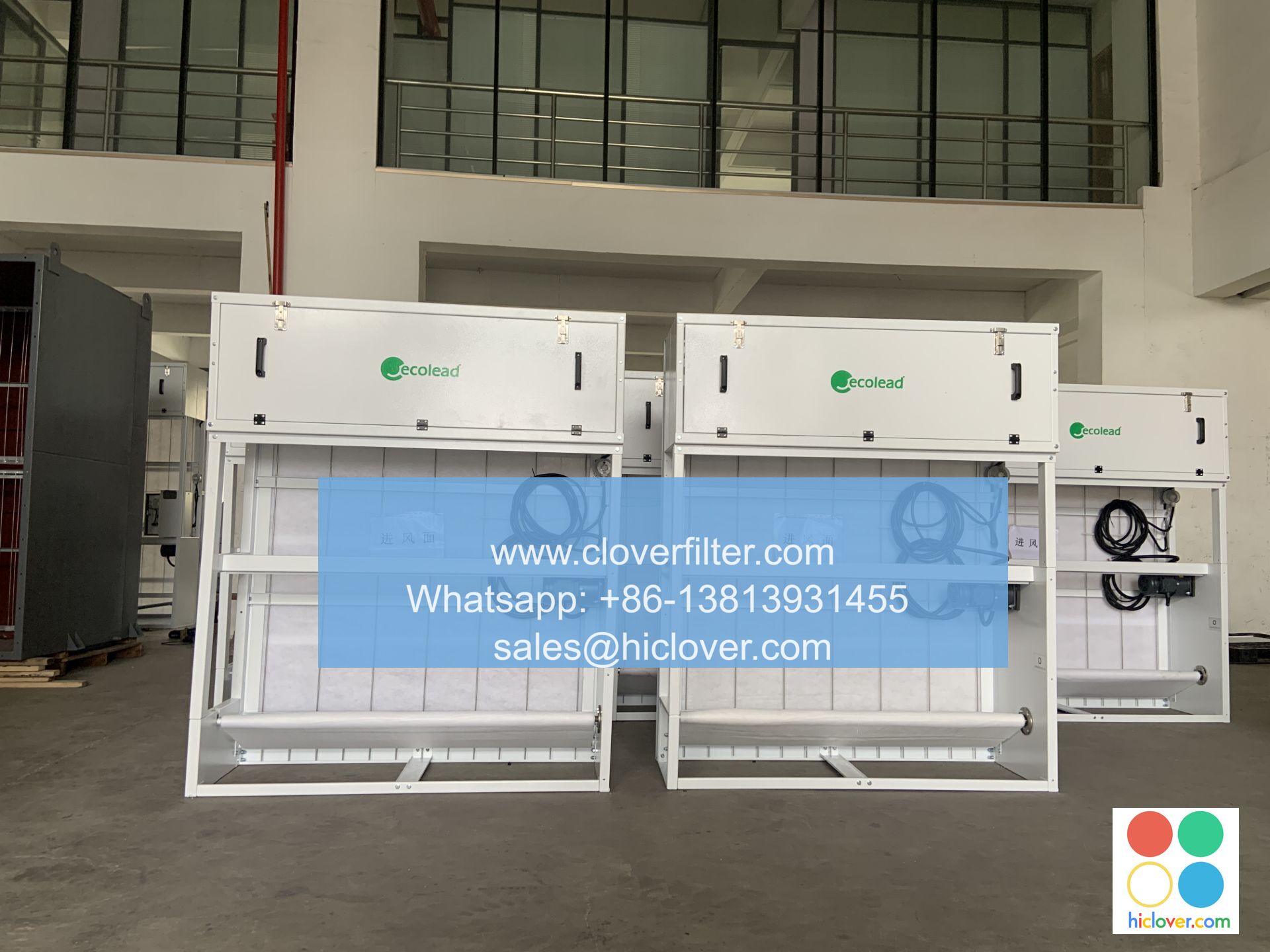
In the oil and gas industry, inventory management is a critical aspect of operational efficiency. Managing inventory effectively not only assures the availability of necessary components but also reduces costs and enhances productivity. One of the significant components in this sector is air filtration systems. Poor air quality can lead to equipment failures and decreased efficiency. This makes having a reliable air filtration system essential, and Automatic Roll Air Filters have emerged as a leading solution.
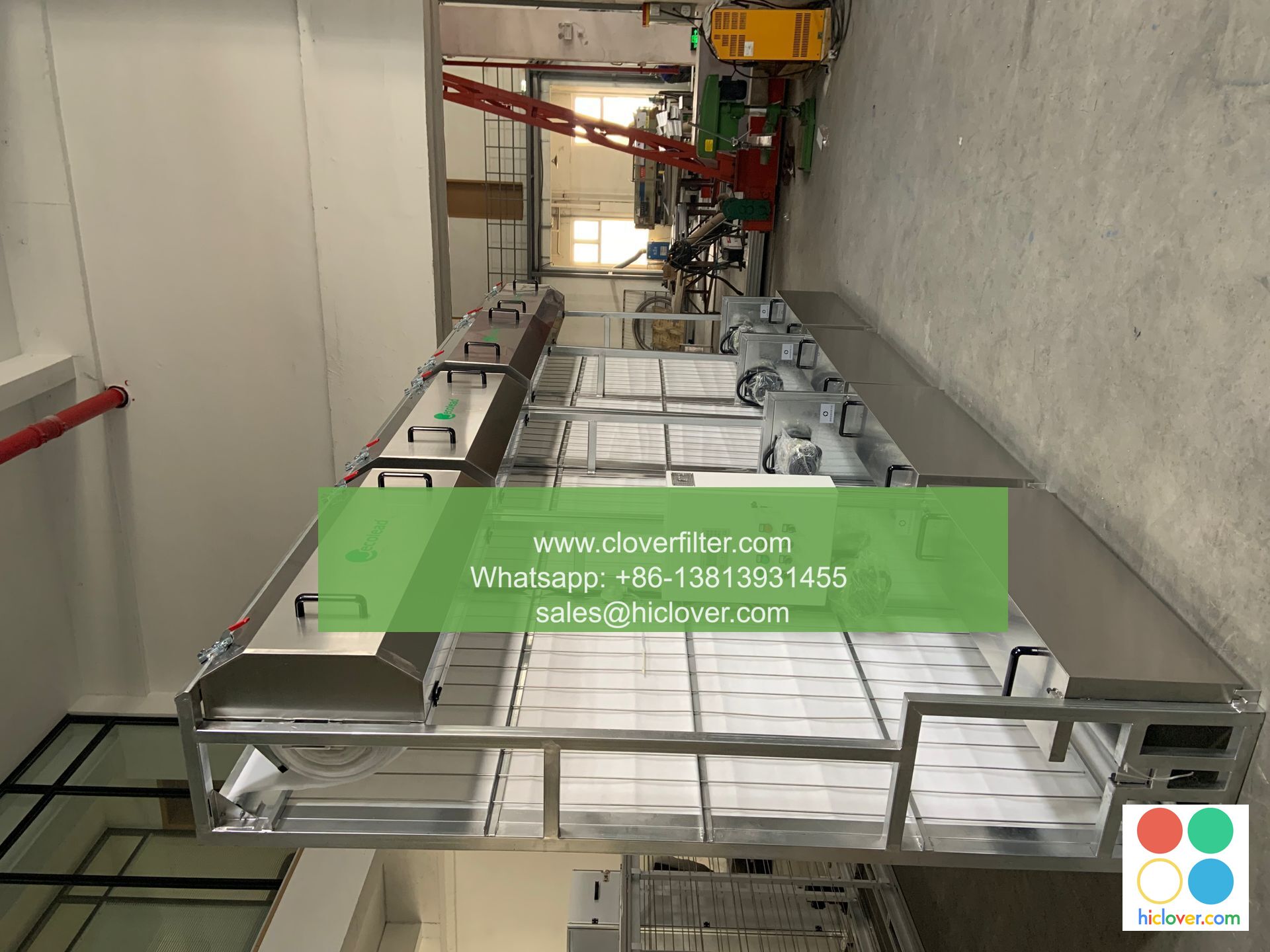
Understanding Automatic Roll Air Filters
Automatic Roll Air Filters represent a modern and innovative approach to air filtration in industrial settings. Unlike traditional filters that must be manually replaced and disposed of, these automatic filters are designed to roll out a fresh filter media as the existing filter becomes saturated. This ensures that there is a continuous supply of clean air, minimizing downtime while also reducing maintenance efforts.
Benefits of Automatic Roll Air Filters
The benefits of integrating Automatic Roll Air Filters into oil and gas plants are multifaceted. Firstly, the continuous operation of these filters helps maintain optimal air quality, protecting sensitive equipment from damage caused by contaminants. Enhanced air quality also contributes to a safer working environment, safeguarding the health of the workforce.
Moreover, Automatic Roll Air Filters streamline inventory management. In an industry where space is often limited, these filters can help optimize storage requirements. Traditional filters require a significant amount of space for storage, especially when managing inventory for multiple locations. Automatic systems, on the other hand, minimize the quantity needed on hand, reducing clutter and simplifying restocking processes.
Cost Efficiency and Sustainability
Implementing Automatic Roll Air Filters does not only lead to significant operational efficiencies but also offers substantial cost savings. The reduced frequency of manual filter changes lowers labor costs and the automated feature minimizes the potential for human error. Furthermore, many of these systems utilize recyclable filter media, contributing to environmental sustainability efforts in line with the industry’s increasing focus on green practices.
Challenges and Considerations
Despite the clear benefits, companies must carefully consider the implementation of Automatic Roll Air Filters. Initial installation costs can be higher than traditional systems, although this often pays off in the long term due to lower operational and maintenance costs. Additionally, organizations should ensure that the systems are compatible with existing infrastructure and that staff are adequately trained to manage these automated systems.
Conclusion
In conclusion, Automatic Roll Air Filters present a robust solution to the inventory management challenges faced by oil and gas plants. By promoting enhanced air quality, optimizing storage needs, and ensuring cost-effectiveness, these systems help streamline operations and contribute to a safer and more efficient workplace. As the industry continues to evolve, adopting such innovative solutions will be essential for organizations aiming to maintain competitiveness and operational excellence.
FAQs
1. What are Automatic Roll Air Filters?
Automatic Roll Air Filters are advanced air filtration systems that use a rolling mechanism to provide continuous fresh filter media, reducing the need for manual replacement and improving air quality in industrial settings.
2. How do Automatic Roll Air Filters help with inventory management?
They reduce the amount of physical storage required for filters as they continuously roll out fresh media, simplifying the process of restocking and maintaining inventory levels.
3. Are there environmental benefits to using these filters?
Yes, many Automatic Roll Air Filters utilize recyclable materials, helping organizations align with sustainability efforts and reduce waste.
4. What are the potential costs associated with Automatic Roll Air Filters?
While the initial installation may be higher than traditional systems, the long-term savings realized from reduced maintenance and labor costs can make them more cost-effective overall.
5. How can companies ensure the successful implementation of these filters?
Companies should conduct compatibility assessments with existing infrastructure, invest in training for staff, and ensure regular maintenance checks to optimize performance.
