Automatic Roll Air Filters: A Solution to Oil and Gas Plant Permitting and Licensing Challenges
The oil and gas industry is facing increasing scrutiny from regulatory bodies, environmental groups, and the public. As a result, securing permits and licenses has become a significant challenge for plants operating in this sector. One of the more innovative solutions to this issue is the implementation of automatic roll air filters, which can significantly aid in meeting regulatory requirements while enhancing operational efficiency.
Understanding Air Quality Regulations
Regulatory agencies enforce stringent air quality standards to mitigate the environmental impact of industrial activities. Air pollution from oil and gas operations can lead to detrimental health effects, contributing to lung diseases and other chronic health problems among local populations. Ensuring compliance with air quality regulations is paramount—not only for protecting public health but also for maintaining a plant’s operating license.
How Automatic Roll Air Filters Work
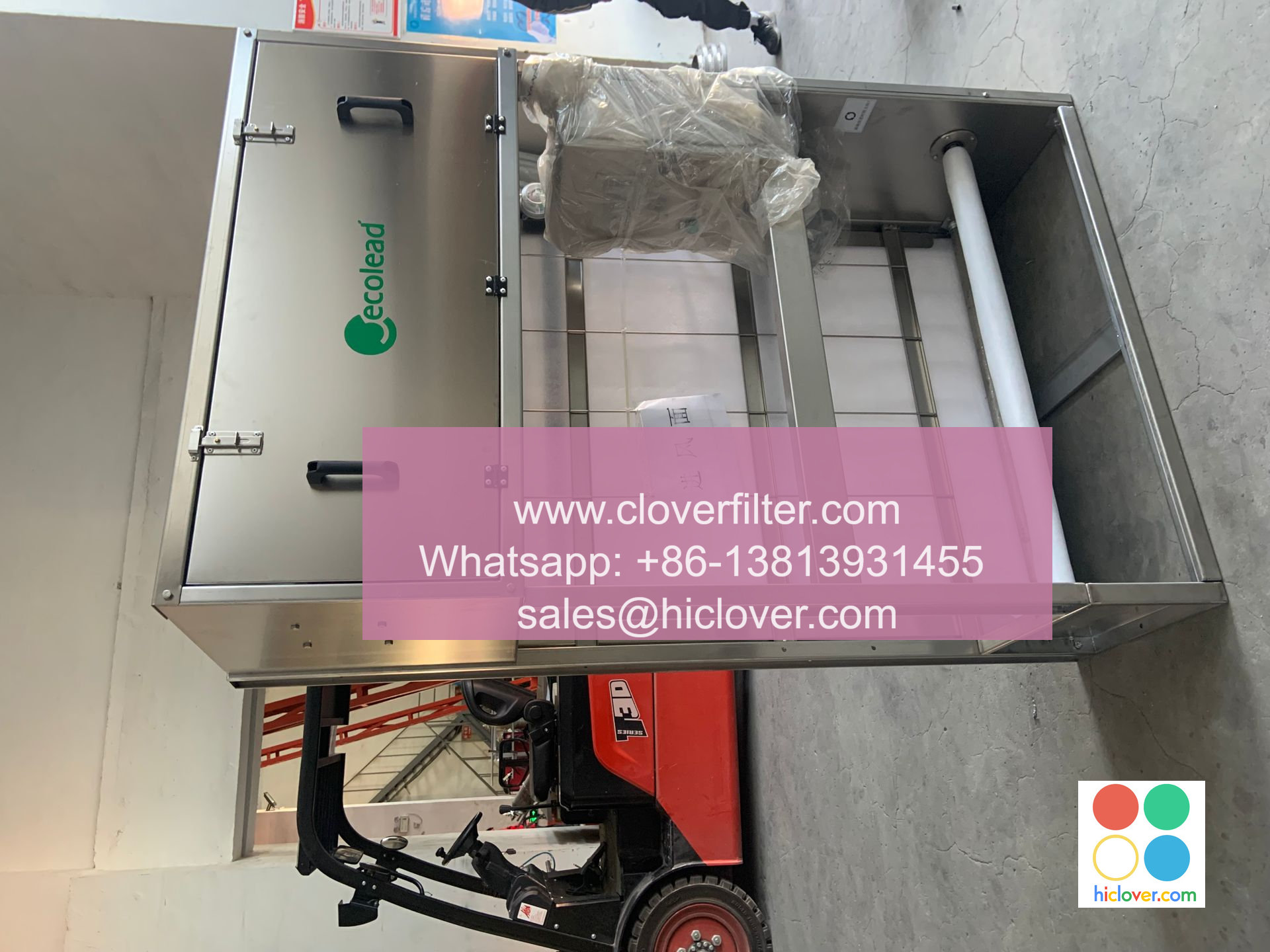
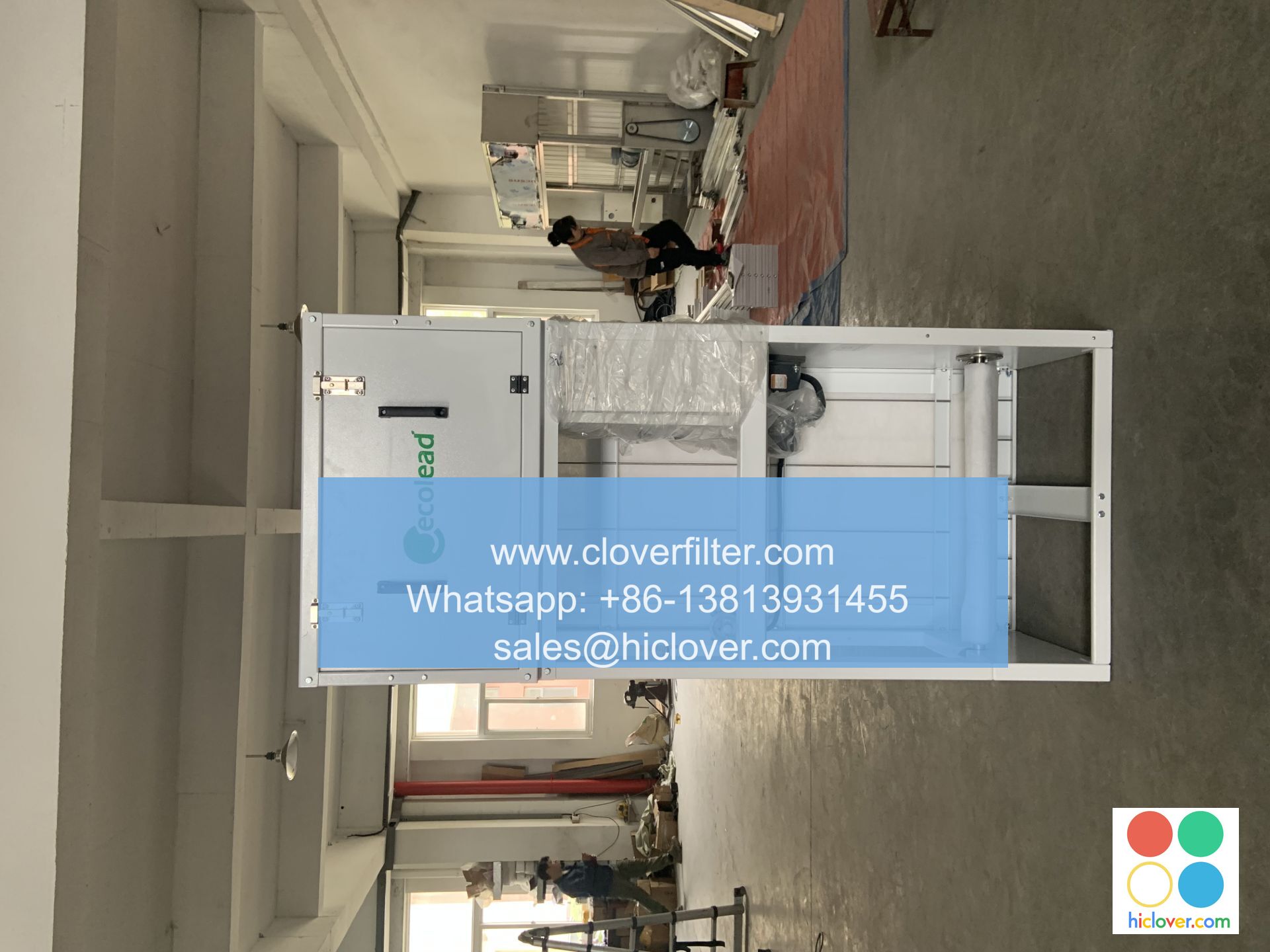
Automatic roll air filters are designed to optimize air filtration processes in industrial environments. These systems consist of a long roll of filter medium that automatically dispenses as clogged sections are replaced. This technology features an automated mechanism that not only enhances efficiency but also reduces the need for manual intervention. By continuously providing clean air, these filters help maintain air quality standards outlined by regulatory agencies.
Benefits for Oil and Gas Plants
Implementing automatic roll air filters in oil and gas facilities offers several benefits:
- Improved Compliance: By maintaining consistent air quality, plants can avoid violations and the resulting fines, thus streamlining the permitting process.
- Cost-Effective: Automated systems reduce labor costs and minimize waste by optimizing filter usage, leading to lower operational costs.
- Operational Efficiency: Continuous filtration supports unimpeded production processes, mitigating downtime caused by maintenance and filter replacements.
- Enhanced Public Image: By demonstrating a commitment to environmental responsibility, companies can improve relationships with regulators and the communities in which they operate.
Challenges and Considerations
While the benefits of automatic roll air filters are evident, implementation comes with its challenges. Initial costs for installation and integration into existing systems may be significant. Furthermore, the choice of the right filtration medium is critical to ensure optimal performance. Operators must consider the specific pollutants they aim to mitigate and select filters accordingly.
Conclusion
As the oil and gas industry grapples with increasingly strict environmental regulations, the need for innovative solutions is greater than ever. Automatic roll air filters offer a promising approach to addressing permitting and licensing challenges while enhancing environmental compliance. By adopting these systems, plants can not only improve their operational efficiency but also contribute to a more sustainable future in energy production. The transition to cleaner technologies is not merely advantageous but essential for the longevity and social license of oil and gas operations.
Frequently Asked Questions (FAQs)
What are automatic roll air filters?
Automatic roll air filters are advanced air filtration systems designed for industrial applications that provide continuous air cleaning by automatically dispensing a roll of filter material as it becomes clogged.
How do these filters help with regulatory compliance?
These filters help maintain air quality by continuously capturing pollutants, which aids oil and gas plants in adhering to strict air quality standards set by regulatory agencies.
What are the cost implications of installing automatic roll air filters?
While initial installation costs can be significant, the long-term savings from reduced labor, increased efficiency, and avoidance of fines can yield significant cost benefits.
Are automatic roll air filters suitable for all types of pollutants?
Not necessarily. The effectiveness of these filters depends on the type of filtration medium used, which should be selected based on the specific pollutants present in the facility’s emissions.
