Automatic Roll Air Filters: A Vital Component of Edmonton Hospital Infection Control
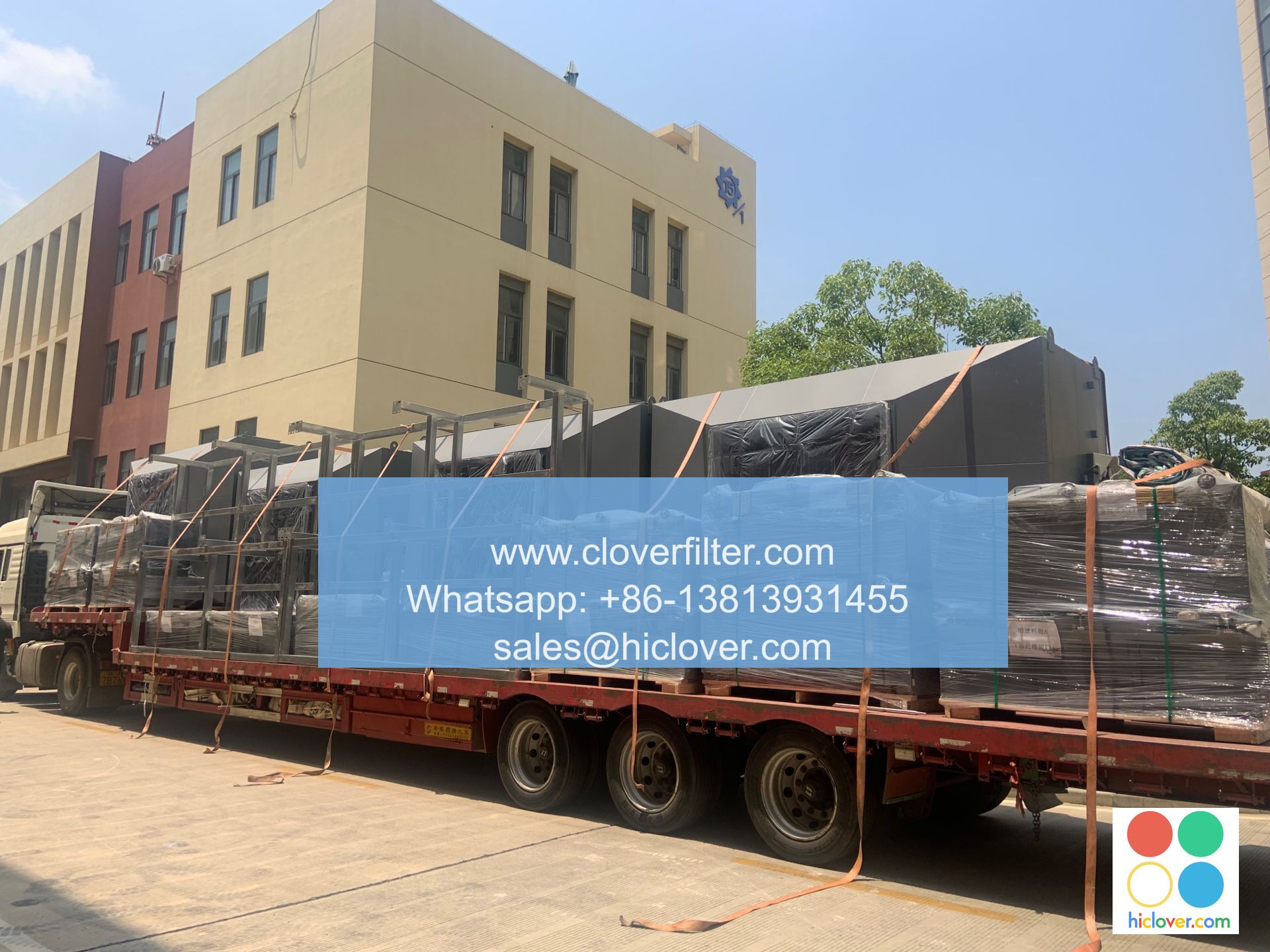
In hospitals, maintaining high indoor air quality is crucial to prevent the spread of airborne infections and ensure a healthy environment for patients, visitors, and staff. One vital component of infection control in hospitals, including those in Edmonton, is the Automatic Roll Air Filter (ARAF). These filters play a significant role in removing airborne contaminants, such as bacteria, viruses, and fungi, from the air, thereby reducing the risk of hospital-acquired infections (HAIs).
ARAFs are designed to automatically roll out a new filter media as the old one becomes saturated with dust and other airborne particles. This process ensures that the air filtration system consistently provides high-quality air, minimizing the risk of filter bypass and reducing the potential for airborne infections. The automatic rolling mechanism also reduces maintenance costs and extends the life of the filter, making it a cost-effective solution for hospitals.

In Edmonton hospitals, ARAFs are typically installed in the heating, ventilation, and air conditioning (HVAC) systems, which supply conditioned air to various areas of the hospital, including patient rooms, operating theaters, and laboratories. The filters are usually placed at the air intake points, where they can effectively capture airborne contaminants before they enter the hospital’s ventilation system. By removing these contaminants, ARAFs help to prevent the spread of infections and reduce the risk of nosocomial infections, which are a significant concern in healthcare settings.
The importance of ARAFs in Edmonton hospital infection control cannot be overstated. Hospital-acquired infections are a leading cause of morbidity and mortality in healthcare settings, and airborne infections are a significant contributor to this problem. By using ARAFs, hospitals can significantly reduce the risk of airborne infections, creating a safer environment for patients, visitors, and staff. Additionally, ARAFs can help to reduce the economic burden associated with HAIs, which can result in extended hospital stays, additional treatments, and increased healthcare costs.
In addition to their role in infection control, ARAFs also contribute to improved indoor air quality in hospitals. By removing airborne particles, including dust, pollen, and other allergens, ARAFs can help to reduce the risk of respiratory problems and other health issues associated with poor air quality. This is particularly important in hospitals, where patients may have compromised immune systems and be more susceptible to respiratory infections.
Furthermore, ARAFs can also help to reduce the risk of cross-contamination in hospitals. By capturing airborne contaminants, including bacteria and viruses, ARAFs can prevent the spread of infections between patients, rooms, and departments. This is critical in hospitals, where patients may be immunocompromised and more susceptible to infections. By reducing the risk of cross-contamination, ARAFs can help to prevent the spread of infections and reduce the risk of HAIs.

In conclusion, Automatic Roll Air Filters are a vital component of infection control in Edmonton hospitals. By removing airborne contaminants, including bacteria, viruses, and fungi, ARAFs can help to prevent the spread of airborne infections and reduce the risk of hospital-acquired infections. Their importance in maintaining high indoor air quality, reducing the risk of cross-contamination, and preventing the spread of infections cannot be overstated. As hospitals continue to seek ways to improve infection control and reduce the risk of HAIs, the use of ARAFs will remain a critical component of their strategies.
Frequently Asked Questions (FAQs)
Q: What is an Automatic Roll Air Filter (ARAF)?
A: An ARAF is a type of air filter that automatically rolls out a new filter media as the old one becomes saturated with dust and other airborne particles.
Q: Why are ARAFs important in hospital infection control?
A: ARAFs are important in hospital infection control because they help to remove airborne contaminants, including bacteria, viruses, and fungi, from the air, reducing the risk of hospital-acquired infections (HAIs).
Q: Where are ARAFs typically installed in hospitals?
A: ARAFs are typically installed in the heating, ventilation, and air conditioning (HVAC) systems, which supply conditioned air to various areas of the hospital.
Q: Can ARAFs help to reduce the risk of cross-contamination in hospitals?
A: Yes, ARAFs can help to reduce the risk of cross-contamination in hospitals by capturing airborne contaminants, including bacteria and viruses, and preventing their spread between patients, rooms, and departments.
Q: Are ARAFs cost-effective?
A: Yes, ARAFs are cost-effective because they reduce maintenance costs and extend the life of the filter, making them a valuable investment for hospitals seeking to improve infection control and reduce the risk of HAIs.
