Automatic Roll Air Filters and Their Impact on Research Lab Equipment Longevity
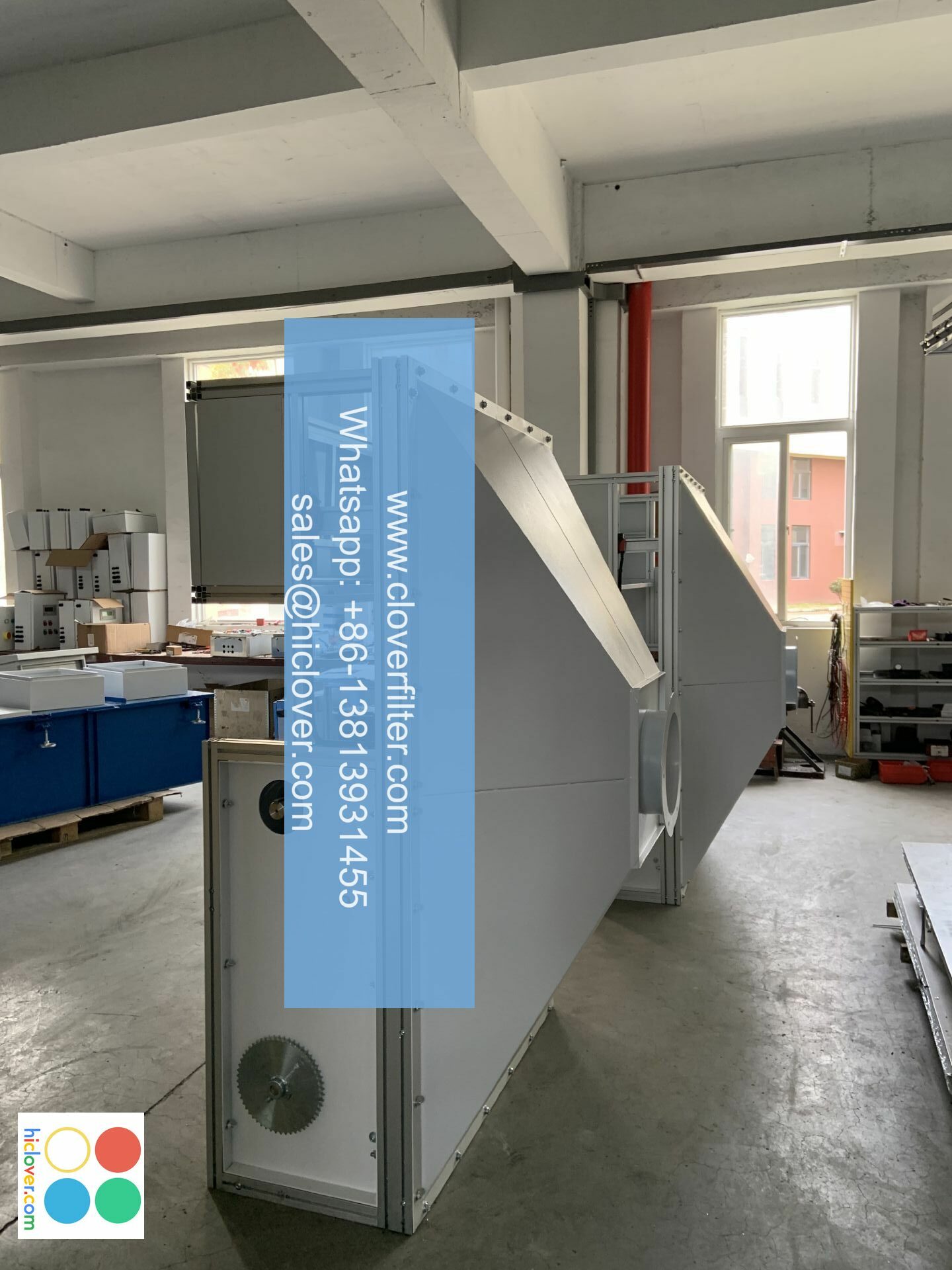
In modern research laboratories, maintaining optimal equipment performance is critical for achieving accurate results and maximizing productivity. An often overlooked component in this equation is the air filtration system, specifically automatic roll air filters. These advanced filtration solutions play a vital role in enhancing the longevity of laboratory equipment while ensuring a contaminant-free environment.
Understanding Automatic Roll Air Filters

Automatic roll air filters are designed to efficiently filter airborne particles, ensuring that only clean air circulates within laboratory spaces. Unlike traditional filters that require frequent manual replacement, these systems utilize a roll mechanism that automatically advances the filter material as it becomes contaminated. This automation not only saves time but also maintains a consistently high level of air quality.
The Importance of Clean Air in Research Labs
In research laboratories, clean air is imperative for various reasons. Contaminants such as dust, bacteria, and volatile organic compounds can adversely affect sensitive equipment and experiments. In a laboratory setting, automatic roll air filters effectively remove these pollutants, helping to:
- Maintain equipment performance and reliability.
- Reduce the frequency of maintenance and replacement costs.
- Improve the accuracy of research results.
- Enhance the safety and quality of laboratory environments.
- Biotechnology Labs: Where contamination can jeopardize cell cultures and experiments.
- Pharmaceutical Research: Maintaining sterility and preventing contamination of drugs and development processes.
- Environmental Testing: Ensuring air quality standards are met while studying pollutants.
- Food Safety Labs: Protecting tests from airborne contaminants that can affect results.

Key Benefits of Automatic Roll Air Filters
The implementation of automatic roll air filters comes with several benefits that significantly impact the longevity of research lab equipment:
1. Reduced Maintenance Costs
With automatic filtration systems, the need for constant manual checks and replacements is diminished. This leads to reduced labor costs, allowing laboratory personnel to focus on research and innovation instead of routine maintenance tasks.
2. Extended Equipment Life
Clean air leads to less wear and tear on lab instruments. Dust and particulate matter can cause the premature failure of mechanical components, while corrosive materials can harm internal circuitry. By ensuring clean air circulation, automatic roll air filters contribute to the extended lifespan of valuable lab equipment.
3. Enhanced Research Outcomes
In research settings that demand precision, such as biotechnology, pharmaceuticals, and environmental science, even minor air quality deviations can skew results. By providing a controlled environment, automatic roll air filters ensure that experiments yield reliable and reproducible results, enhancing the quality of research conducted.
Application Areas of Automatic Roll Air Filters
Automatic roll air filters are suitable for various laboratories and sectors, including:
Conclusion
As research laboratories continue to push the boundaries of innovation, investing in advanced solutions like automatic roll air filters becomes increasingly important. These filters not only provide a cleaner working environment but also play a critical role in enhancing the longevity of laboratory equipment. By ensuring optimal air quality, labs can safeguard their investments, minimize maintenance costs, and ultimately achieve greater research success.
