Automatic Roll Air Filter’s Cleanroom Technology for the Library and Archive Industry
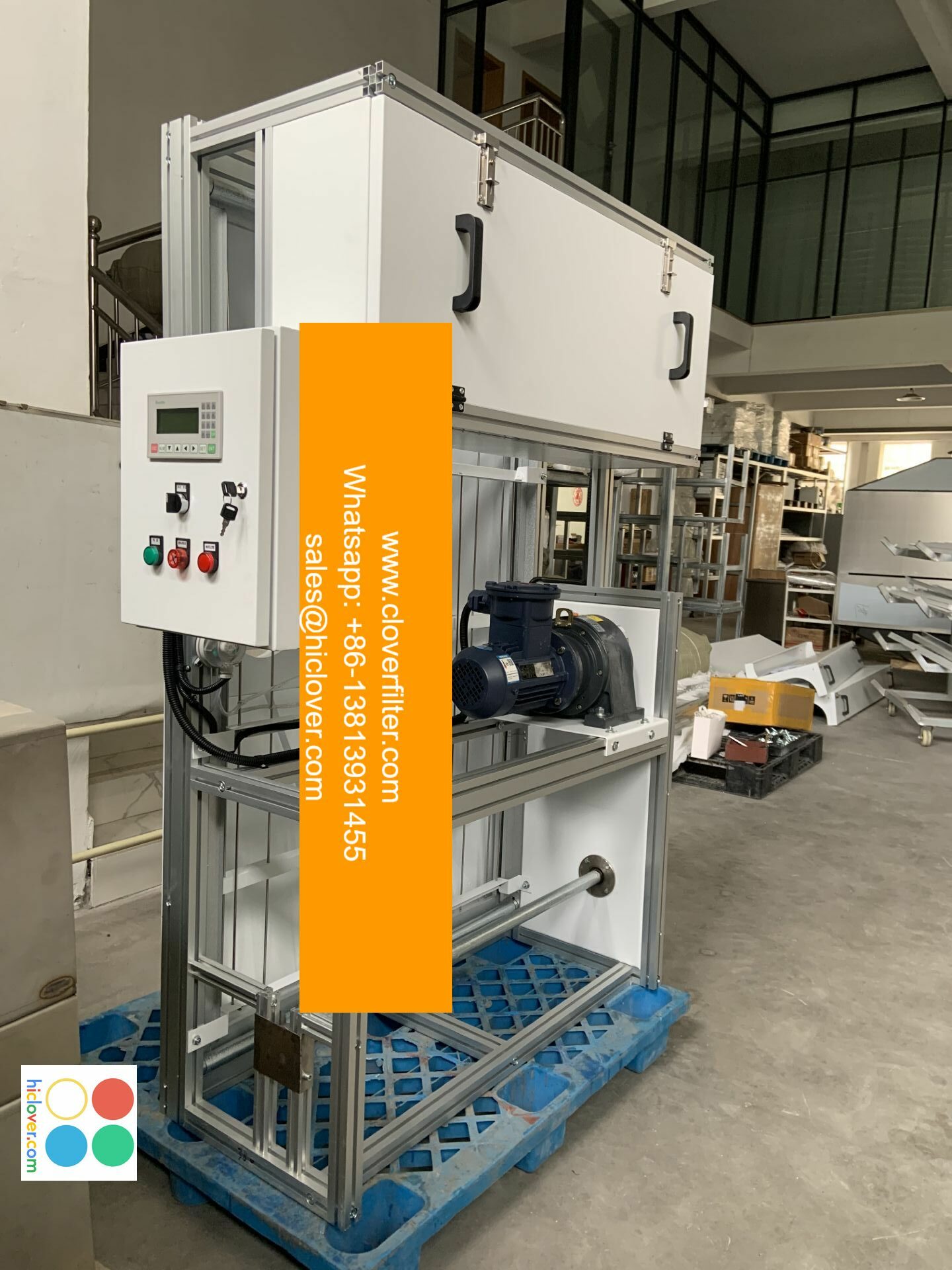
The preservation of library and archive materials is a critical concern in the library and archive industry. With the increasing awareness of environmental factors affecting the longevity of these materials, technologies that can mitigate risks are becoming indispensable. One such technology is the Automatic Roll Air Filter, an innovation in cleanroom environments that has significant implications for libraries and archives.

Understanding Cleanroom Technology
Cleanroom technology is designed to minimize contamination by controlling particulate matter and pollutants in the air. It is particularly important in environments like libraries and archives, which house valuable manuscripts, rare books, and historical documents. The Automatic Roll Air Filter represents a leap forward in ensuring an optimal environment for preservation by automatically filtering and renewing the air within these controlled settings.
How the Automatic Roll Air Filter Works
The Automatic Roll Air Filter employs advanced filtration systems that efficiently remove dust, mold spores, and other harmful airborne particulates. Installed in the ceilings or walls, the filter operates quietly and continuously, maintaining a constant flow of clean air. The rolls of filter media are designed to trap particles of varying sizes, preventing them from settling on fragile materials.
This system provides a dual function: not only does it keep the air clean, but it also regulates humidity levels that are crucial for the preservation of organic materials. Many archival items are sensitive to fluctuations in humidity and temperature, and by maintaining stable conditions, Automatic Roll Air Filters help to reduce the risk of mold growth and deterioration.

Benefits for Libraries and Archives
Implementing Automatic Roll Air Filters in libraries and archives offers various benefits:
- Extended Lifespan: By effectively filtering out pollutants that can cause degradation, the lifespan of valuable materials is extended.
- Improved Air Quality: Staff and patrons enjoy better air quality, resulting in a more pleasant environment.
- Lower Maintenance Costs: Cleanroom technology leads to less dust accumulation, reducing the frequency of cleaning and maintenance.
- Energy Efficiency: The advanced design often consumes less energy than traditional filtration systems.
Implementing the Technology
For libraries and archives considering the integration of Automatic Roll Air Filters, it is important to assess current air quality conditions. Conducting an initial air quality assessment will help determine specific needs. Installation can usually be done swiftly without significant disruption to daily operations. Regular maintenance is recommended to ensure that filters are changed and the system is functioning as designed.
Conclusion
The Automatic Roll Air Filter’s cleanroom technology serves as an innovative solution tailored specifically for the library and archive industry. By enhancing air quality and maintaining optimal environmental conditions, these filters directly contribute to the preservation of invaluable collections. As libraries and archives continue to evolve in their roles as custodians of knowledge, embracing technologies like the Automatic Roll Air Filter will be essential for safeguarding our collective history for future generations. Investing in such systems is not merely a cost; it is a commitment to preservation and stewardship.
FAQs
1. What is cleanroom technology?
Cleanroom technology involves controlling the environment to reduce contamination, including airborne particulates, which is essential in preserving sensitive materials in libraries and archives.
2. How does the Automatic Roll Air Filter improve air quality?
The filter removes dust, mold spores, and other harmful particulates from the air, significantly enhancing the air quality within the space.
3. Are Automatic Roll Air Filters energy-efficient?
Yes, these systems are designed to be energy-efficient, often consuming less power than traditional filtration systems while providing superior performance.
4. How do I know if my library or archive needs an air filter system?
Conducting an air quality assessment will help identify if your current conditions are inadequate for the preservation of your materials, indicating a need for an air filter system.
5. How often should the filters be changed?
Regular maintenance is recommended, with filters typically needing replacement every 6 to 12 months, depending on the air quality and usage of the space.
