Automatic Roll Air Filters for Cleanrooms: A Critical Component of a Comprehensive Quality Control Strategy
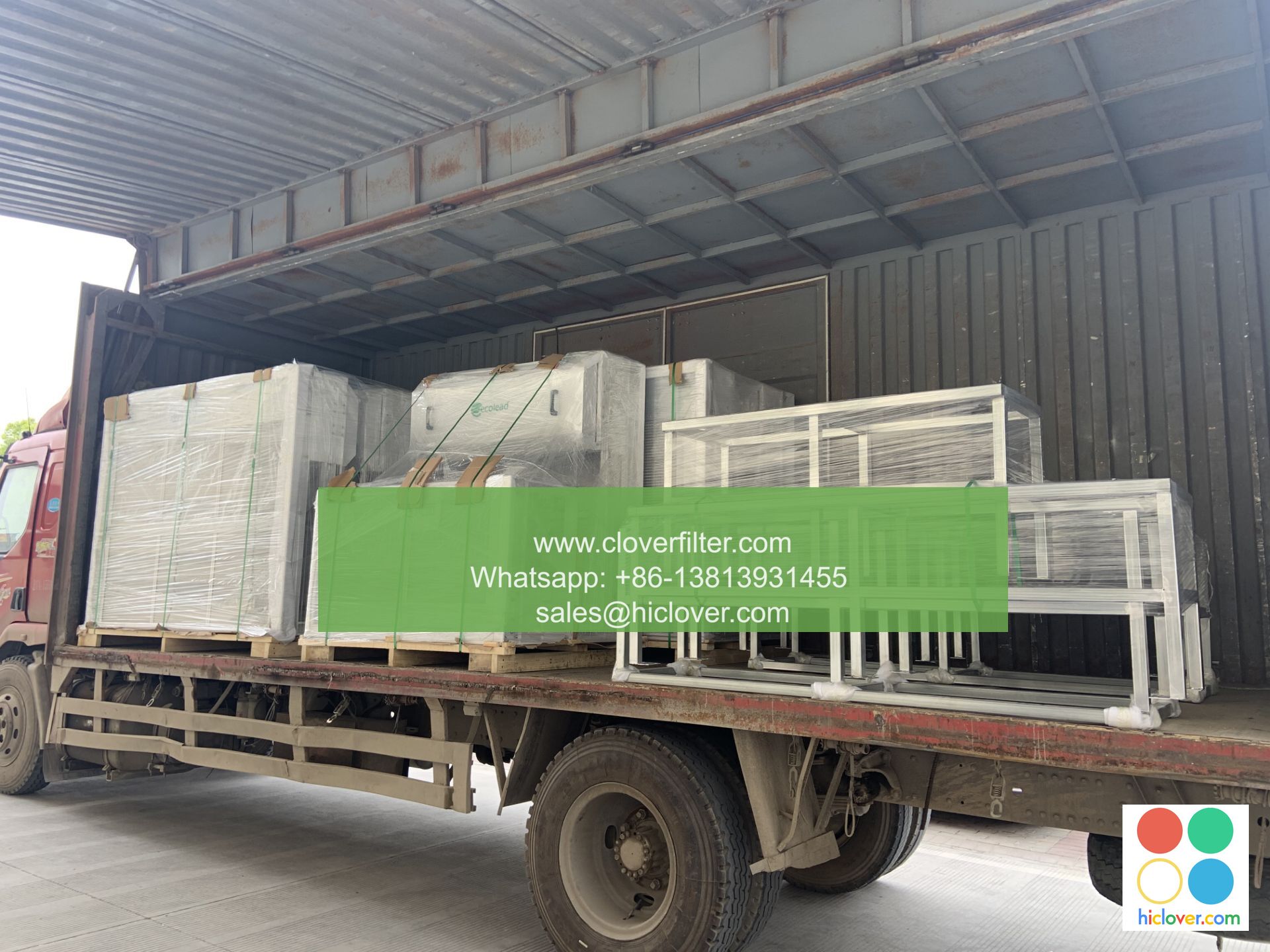
In today’s highly regulated industries, maintaining cleanroom environments is vital for ensuring product integrity and compliance. Among the various components of a cleanroom, Automatic Roll Air Filters play a crucial role in maintaining air quality and supporting an effective quality control strategy. This article delves into the various applications and significance of these filters in cleanroom environments.
The Importance of Cleanroom Air Quality

Cleanrooms are designed to minimize contamination and maintain strict environmental controls. Industries such as pharmaceuticals, biotechnology, microelectronics, and aerospace rely on cleanrooms to protect sensitive processes and products from airborne particulates, chemical vapors, and biological contaminants. To achieve optimal air quality, integrating automatic roll air filtration systems becomes necessary.
What are Automatic Roll Air Filters?
Automatic Roll Air Filters are advanced filtration solutions that use a roll mechanism for continuous filter replacement. These filters offer high efficiency in trapping contaminants and ensuring that the air circulating within cleanrooms meets specific cleanliness standards. Their design allows for seamless integration and easy deployment within existing air handling systems.
Key Features of Automatic Roll Air Filters
- High Filtration Efficiency: Capable of capturing a wide range of particulates, including dust, pollen, bacteria, and viruses.
- Continuous Operation: The automatic roll design allows for uninterrupted filtration, reducing downtime associated with manual filter replacements.
- Space-Saving Design: Compact and efficient, allowing for easier installation in various cleanroom layouts.
- Customizable Options: Available in different sizes and filtration grades to meet specific cleanroom requirements.
Application Areas of Automatic Roll Air Filters
Automatic Roll Air Filters find application across various sectors, including:
1. Pharmaceutical Manufacturing
In pharmaceutical cleanrooms, maintaining the highest level of air quality is crucial. Automatic Roll Filters ensure that sterile conditions are preserved, preventing contamination that could lead to product recalls or safety issues.
2. Biotechnology
Biotechnology facilities require stringent controls to protect Developing biological products. The advanced filtration offered by Automatic Roll Filters supports the integrity of these sensitive processes.
3. Microelectronics
The microelectronics industry demands ultra-clean environments to manufacture semiconductors and other delicate components. Automatic Roll Air Filters help eliminate sub-micron particles that can compromise device performance.
4. Aerospace Manufacturing
In aerospace applications, even the smallest contaminants can have severe implications. The reliability of Automatic Roll Filters is paramount to maintaining safety and functionality in aerospace products.
Integrating Automatic Roll Air Filters into Quality Control Strategies
For organizations committed to excellence, incorporating Automatic Roll Air Filters into their cleanroom design is an essential step toward a comprehensive quality control strategy. Regular monitoring of air quality and filter performance metrics will ensure that rooms remain compliant with industry standards and operational efficiency is maintained. The use of smart technology to assess filter effectiveness and lifecycle can further enhance performance, allowing for proactive maintenance and avoiding contamination incidents.
Conclusion
Automatic Roll Air Filters are not just an accessory; they are a critical component of cleanroom infrastructure. Their high efficiency, ease of use, and adaptability make them indispensable in various applications, from pharmaceuticals to aerospace. As industries continue to evolve and face stricter regulations, investing in robust air filtration solutions like Automatic Roll Filters is essential for maintaining quality, safety, and compliance in cleanroom environments.
