Automatic Roll Air Filters for Data Center Cooling: A Guide to Canadian Data Center Design and Build
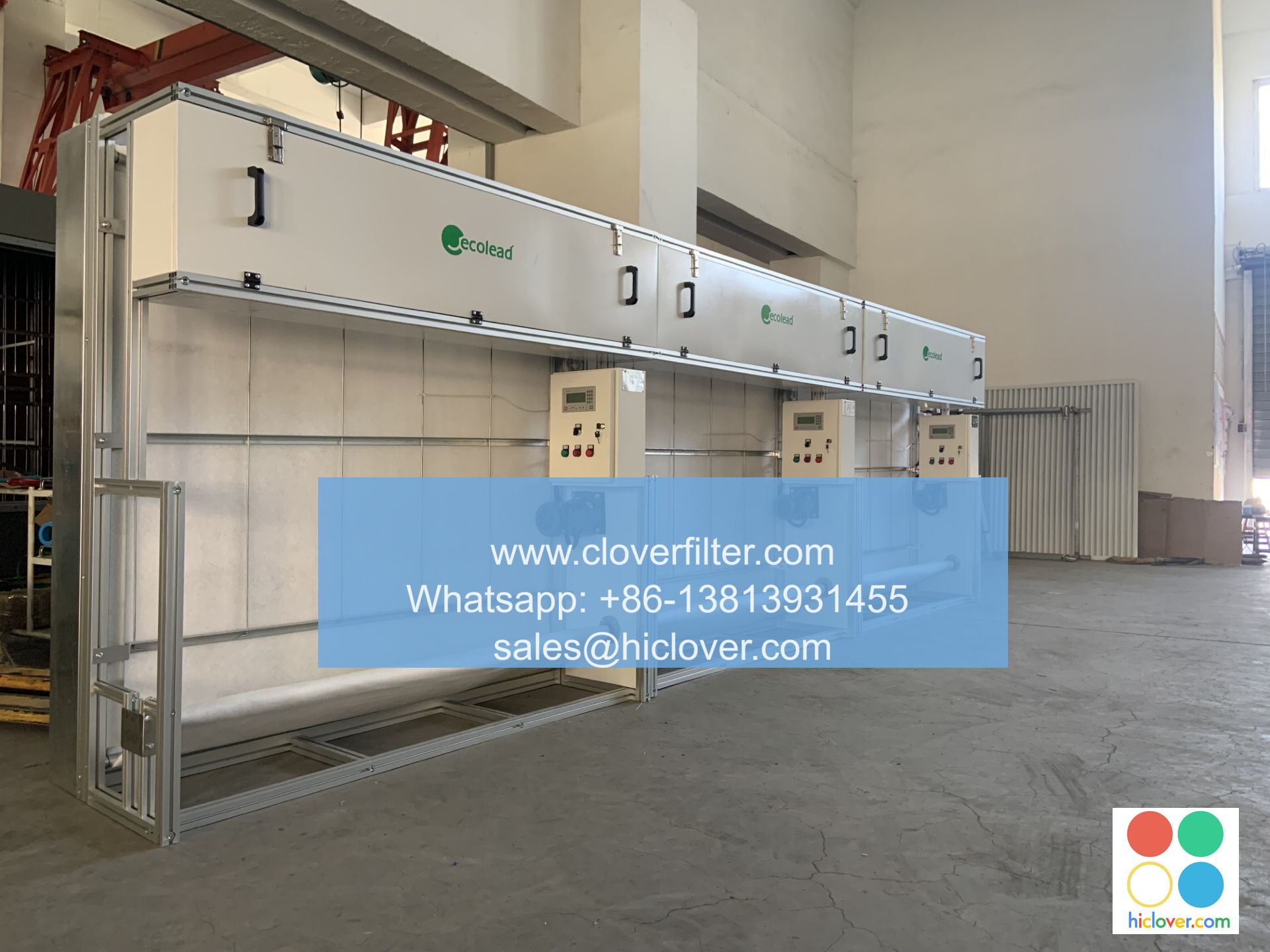
In the age of digital information, data centers are the backbone of modern enterprises. As these facilities grow in complexity and size, their operational efficiency and reliability become paramount. In Canada, the unique climatic conditions necessitate specialized cooling solutions to maintain optimal environments for sensitive IT equipment. One of the key components in a data center’s cooling system is the air filtration system, particularly automatic roll air filters. This article provides a comprehensive guide to understanding these filters and their vital role in Canadian data center design and build.
Understanding Automatic Roll Air Filters

Automatic roll air filters are advanced air filtration systems that utilize a roll of filter media, which is automatically fed into the airflow. This design ensures that clean, filtered air is consistently circulated while automatically removing contaminated media without the need for manual intervention.
Benefits of Automatic Roll Air Filters
- Continuous Filtration: Unlike traditional filters, these systems maintain a constant supply of clean air, minimizing downtime and ensuring that cooling systems operate efficiently.
- Reduction in Maintenance Costs: With automatic mechanisms, the need for frequent manual replacement is significantly reduced, translating into lower operational and maintenance costs.
- Enhanced Air Quality: High-efficiency filtration mechanisms improve indoor air quality, leading to better cooling efficiency and prolonged equipment lifespan.
- Adaptability: These filters can be tailored to fit different data center layouts and specific cooling requirements, making them suitable for diverse operational contexts.
Integration into Canadian Data Center Design
When incorporating automatic roll air filters into data center cooling systems in Canada, several factors must be taken into account:
1. Climate Considerations
Canada’s varied climate can heavily influence the design choices for data centers. In colder regions, the integration of automatic roll filters can enhance efficiency by allowing for the capture of naturally cooler air, reducing reliance on mechanical cooling.
2. Local Building Codes
Data centers in Canada must comply with specific building codes and standards. Ensuring that the air filtration system meets these regulations is essential for both legal compliance and operational reliability.
3. Energy Efficiency Standards
Data centers are significant consumers of energy. The selection of highly efficient automatic roll air filters can contribute to meeting energy consumption benchmarks, which is an increasing focus in Canadian regulations for sustainability.
Conclusion
Automatic roll air filters represent a significant advancement in air filtration technology for data centers. Their ability to enhance cooling efficiency while maintaining high indoor air quality positions them as a critical component for Canadian data center design. As businesses continue to depend on reliable data infrastructure, the integration of these advanced filtration systems will be essential not just for operational efficiency but also for sustainability efforts in the industry.
FAQs
1. How often should automatic roll air filters be replaced?
Automatic roll air filters are designed to self-replace as they utilize a roll mechanism. The frequency of use and environmental conditions dictate when new media is available.
2. Are automatic roll air filters environmentally friendly?
Yes, many automatic roll air filters are designed with recyclable materials and can contribute to less waste compared to traditional filters that require more frequent manual replacements.
3. Can these filters be used in existing data center designs?
Absolutely. Automatic roll air filters can often be retrofitted to existing cooling systems, enhancing efficiency without the need for a complete redesign.
4. Do automatic roll air filters require specialized maintenance?
While they require less frequent maintenance than traditional filters, they still need regular system checks to ensure optimal functionality, typically performed by trained facility technicians.
