Automatic Roll Air Filters for Nanotechnology Cleanrooms: A Cost-Benefit Analysis
Introduction to Nanotechnology Cleanrooms
Nanotechnology cleanrooms are controlled environments that require precise temperature, humidity, and air quality conditions to ensure the production of high-quality nanoscale materials and devices. One of the critical components in maintaining these conditions is the air filtration system. Automatic roll air filters have emerged as a popular choice for nanotechnology cleanrooms due to their efficiency, reliability, and cost-effectiveness. This article provides a comprehensive cost-benefit analysis of automatic roll air filters in nanotechnology cleanrooms, highlighting their applications, advantages, and potential drawbacks.
What are Automatic Roll Air Filters?
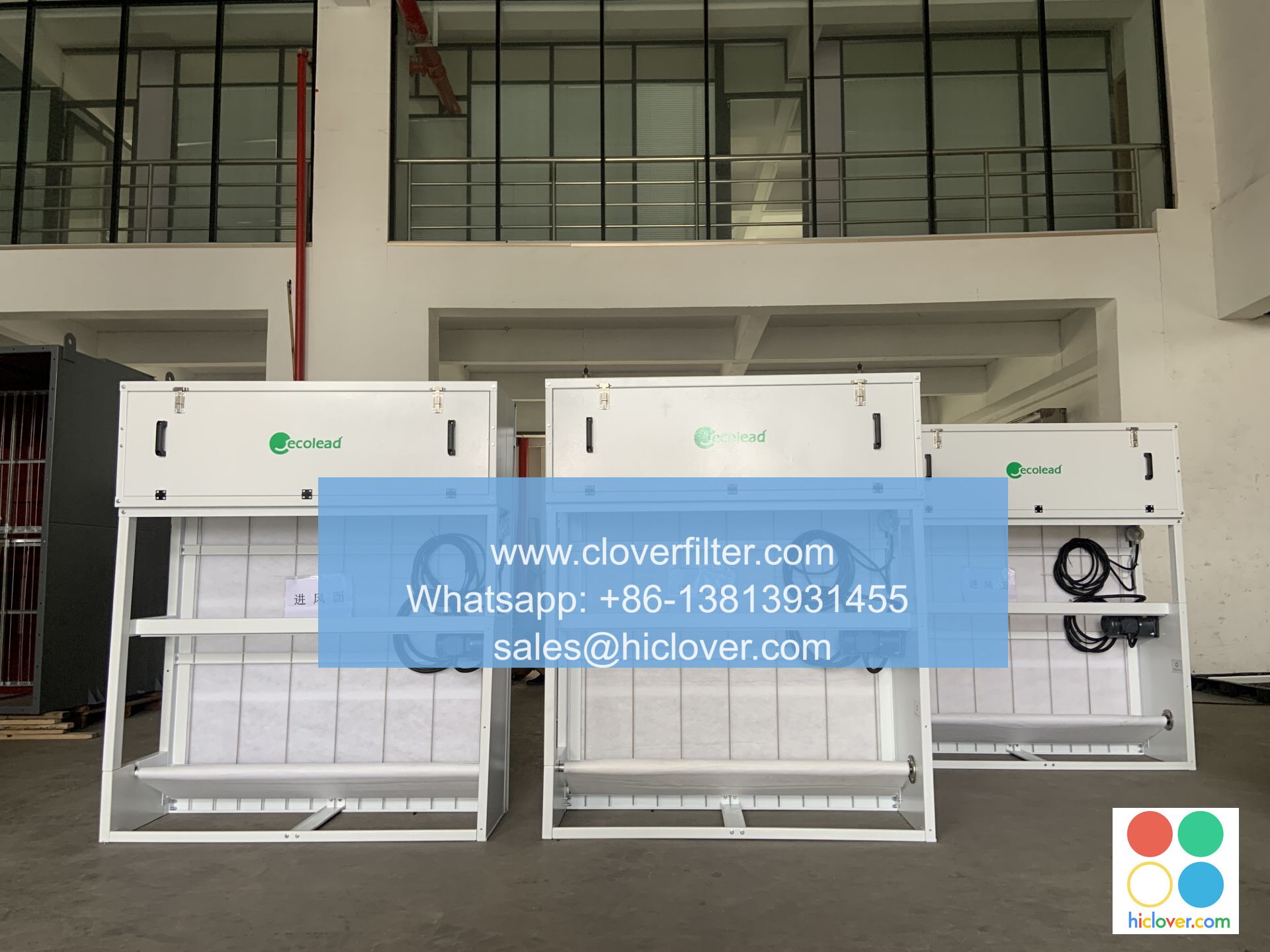
Automatic roll air filters are designed to capture airborne particles, including nanoparticles, using a rolling filter media that advances automatically as it becomes saturated with contaminants. These filters are equipped with advanced sensors and control systems that monitor the filter’s condition and adjust the rolling speed accordingly. This ensures optimal filter performance, minimizes maintenance downtime, and reduces the risk of contamination.
Applications of Automatic Roll Air Filters in Nanotechnology Cleanrooms
Automatic roll air filters have a wide range of applications in nanotechnology cleanrooms, including:

- Wafer fabrication: Automatic roll air filters are used to maintain ultra-clean environments for wafer fabrication, where even small particles can contaminate the production process.
- Nanoparticle synthesis: These filters are used to capture nanoparticles and prevent them from escaping into the environment, ensuring a safe and controlled production process.
- Biotechnology research: Automatic roll air filters are used in biotechnology research to maintain sterile environments and prevent contamination of biological samples.
- Pharmaceutical manufacturing: These filters are used in pharmaceutical manufacturing to ensure the quality and purity of pharmaceutical products.
Cost-Benefit Analysis of Automatic Roll Air Filters
The cost-benefit analysis of automatic roll air filters in nanotechnology cleanrooms involves evaluating the costs and benefits of these filters in terms of their impact on production efficiency, product quality, and maintenance costs. The benefits of automatic roll air filters include:
- Improved product quality: Automatic roll air filters ensure ultra-clean environments, resulting in higher-quality products and reduced defect rates.
- Increased production efficiency: These filters minimize maintenance downtime and reduce the risk of contamination, resulting in increased production efficiency and reduced production costs.
- Reduced maintenance costs: Automatic roll air filters have a longer service life and require less maintenance than traditional air filters, resulting in reduced maintenance costs.
- Higher initial investment: Automatic roll air filters are more expensive than traditional air filters, requiring a higher initial investment.
- Energy consumption: These filters require more energy to operate than traditional air filters, resulting in higher energy costs.

However, the costs of automatic roll air filters include:
Conclusion
Automatic roll air filters are a crucial component in nanotechnology cleanrooms, providing a reliable and efficient means of maintaining ultra-clean environments. While they require a higher initial investment and energy consumption, their benefits in terms of improved product quality, increased production efficiency, and reduced maintenance costs make them a cost-effective solution for nanotechnology cleanrooms. As the demand for high-quality nanoscale materials and devices continues to grow, the use of automatic roll air filters is expected to increase, driving innovation and advancements in nanotechnology research and development, cleanroom technology, and air filtration systems.
