Automatic Roll Air Filters for Nanotechnology Cleanrooms: A Review of Patented Technologies
In the realm of nanotechnology, maintaining an ultra-clean environment is paramount. Automatic roll air filters have emerged as a cutting-edge solution specifically designed for cleanrooms. This article reviews existing patented technologies and examines various application areas, highlighting how these filters enhance operational efficiency and maintain stringent cleanliness standards.
Understanding Nanotechnology Cleanrooms

Nanotechnology cleanrooms are specially designed environments that minimize contamination by airborne particles, chemical vapors, or bacteria. These facilities are used to manufacture and develop nanoscale materials and devices. Due to their sensitivity, cleanrooms require advanced filtration systems to ensure that the air remains free from particulates that can compromise delicate processes.
Features of Automatic Roll Air Filters
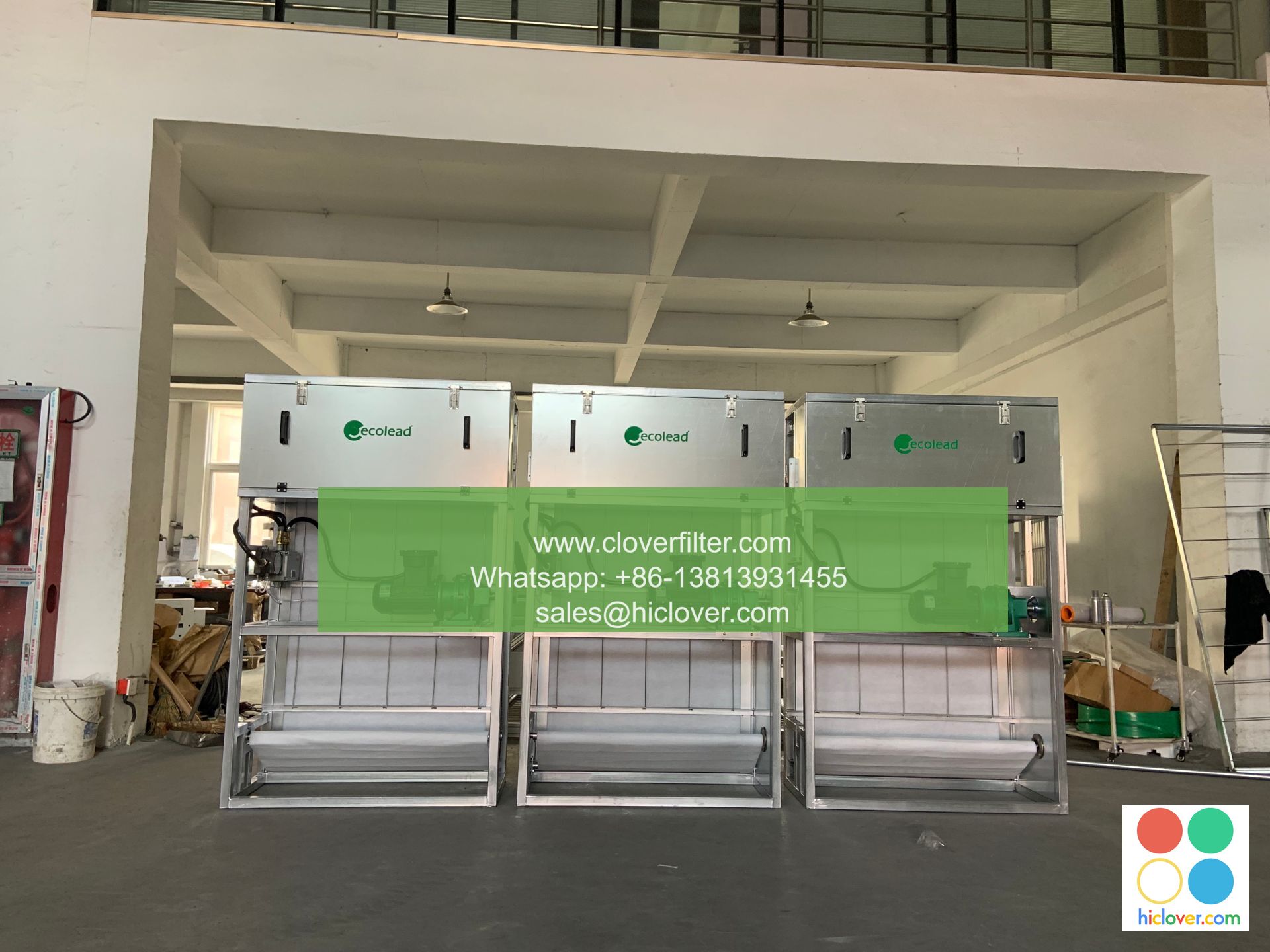
Automatic roll air filters are designed to provide continuous filtration without the need for manual intervention. They consist of several key features:
- Self-Rolling Mechanism: This feature allows for automatic replacement of the filter media as it becomes saturated, ensuring consistent air quality.
- High Filtration Efficiency: These filters are engineered to capture particles as small as 0.3 microns and can achieve efficiencies of up to 99.97%.
- Real-Time Monitoring: Integrated sensors track air quality parameters, prompting timely maintenance and filter replacements.
Patented Technologies Behind Automatic Roll Air Filters
The innovation in automatic roll air filters has led to several patented technologies, enhancing their performance and functionality. Below are noteworthy patents that have revolutionized the field:
1. Advanced Filtration Materials
Patents such as US 9,165,183 B2 outline the use of advanced composite materials that significantly improve airflow rates while maintaining high filtration efficiency. These materials incorporate nanostructures that enhance particle capture.
2. Automated Filter Replacement System
Patents like US 10,222,400 B2 detail systems with automated sensors that detect filter saturation levels. Once the threshold is reached, the system autonomously replaces the filter roll, mitigating downtime to a minimum.
3. Predictive Maintenance Algorithms
Furthermore, US 10,543,921 B2 introduces predictive analytics that utilize machine learning algorithms to forecast maintenance needs based on historical data and operational trends, optimizing filter life and performance.
Application Areas of Automatic Roll Air Filters
The versatility of automatic roll air filters extends to various application areas within nanotechnology cleanrooms:
1. Semiconductor Manufacturing
Clean air is essential in semiconductor fabrication where even the smallest contaminants can lead to defects. Automatic roll filters help maintain the required ultra-clean conditions.
2. Pharmaceutical Production
In pharmaceutical cleanrooms, air quality directly affects product integrity and efficacy. Utilizing these filters ensures compliance with stringent regulatory standards for sterile manufacturing.
3. Biotechnology Research
Biotech laboratories require controlled environments for experiments involving sensitive biological materials. These air filters provide an additional layer of protection against potential contaminants.
4. Advanced Material Development
Researchers developing novel nanomaterials can benefit from the cleanliness and reliability that automatic roll air filters offer, ensuring that experiments yield accurate results.
Conclusion
The emergence of automatic roll air filters represents a significant advancement in cleanroom technologies for the nanotechnology sector. As highlighted, various patented innovations contribute to their efficacy and usability in critical applications, assisting in maintaining the purity of sensitive environments. As the demand for advanced research and production in nanotechnology continues to grow, these filtration systems will play a crucial role in fostering innovation while ensuring operational excellence.
