Automatic Roll Air Filters in Food Labs: A Study on the Effect of Filter Efficiency on Air Quality
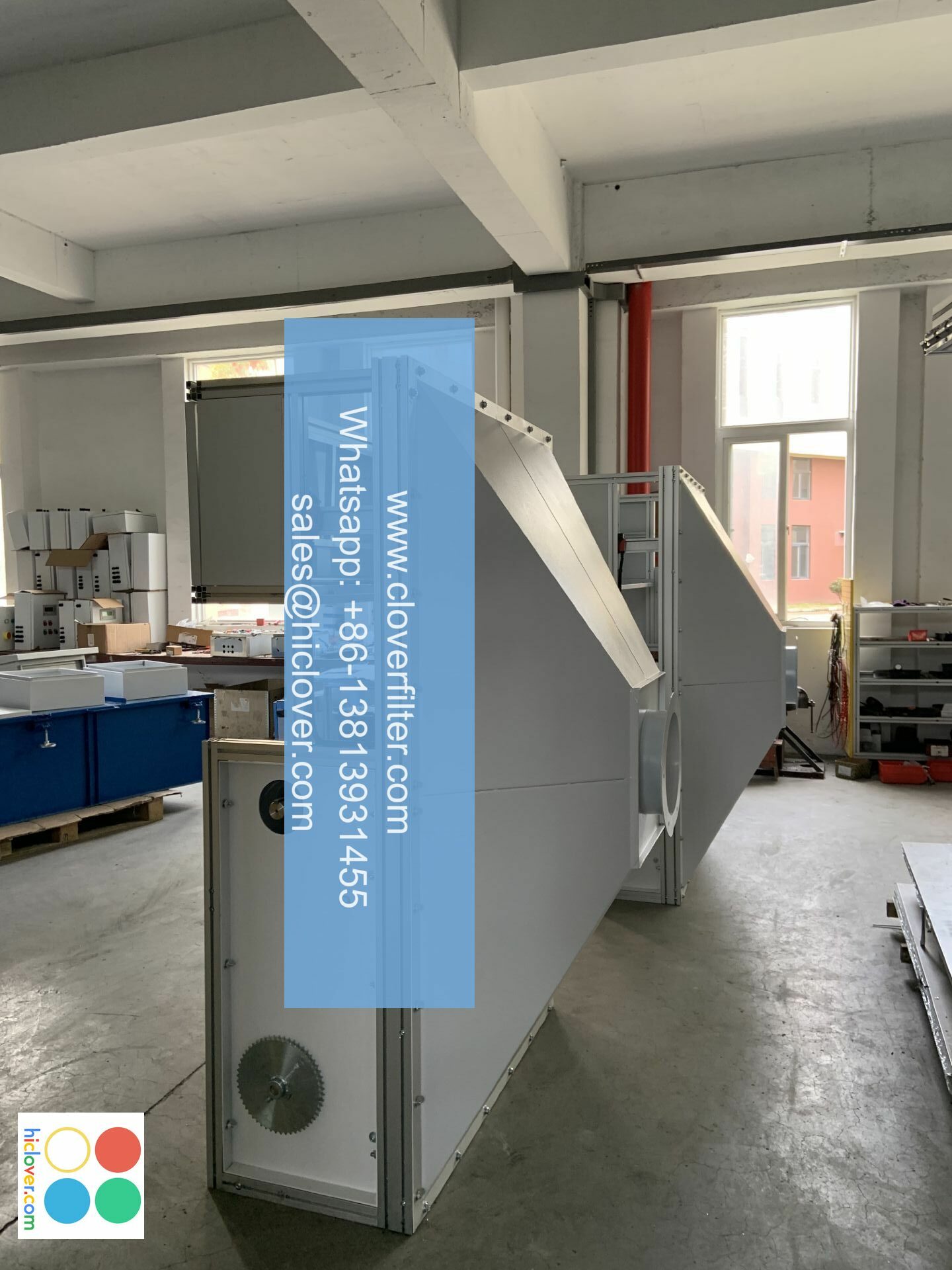
In the food industry, maintaining a high standard of air quality is crucial for ensuring product safety and compliance with regulatory standards. One of the technological advancements that have significantly contributed to this goal is the use of automatic roll air filters. These systems are designed to provide continuous air filtration, effectively capturing airborne contaminants that can threaten food safety. This article explores the effect of filter efficiency on air quality in food laboratories, shedding light on the importance of reliable filtration systems.
Understanding Automatic Roll Air Filters
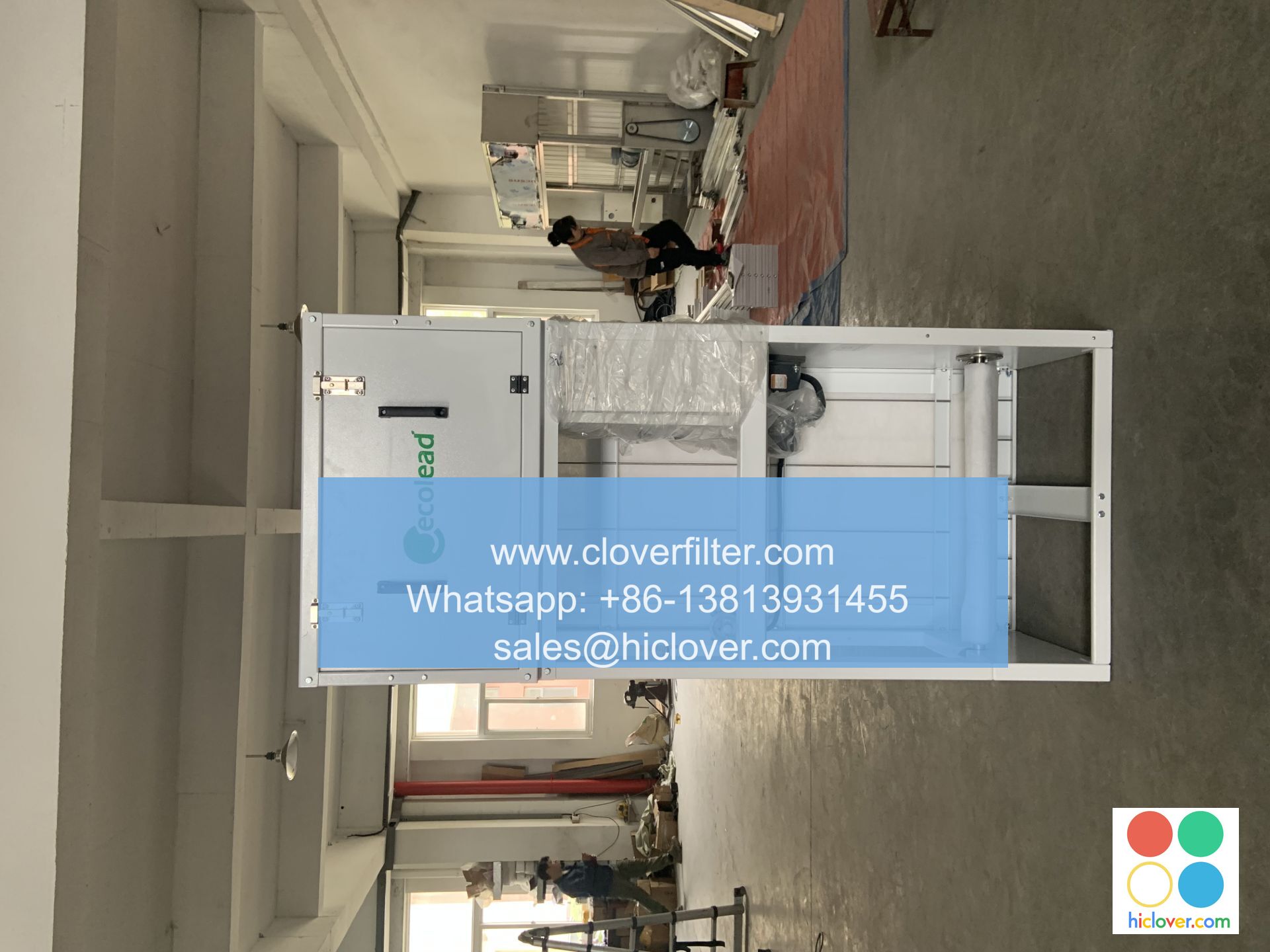
Automatic roll air filters are sophisticated systems that use continuous rolls of filter material that automatically advance as the filters become saturated with dust and particulates. This means that the filtration media is constantly being refreshed, ensuring optimal performance over time without the need for manual replacement. These systems are particularly advantageous in food lab environments where particulate contamination can occur from various sources, including human activity, equipment operation, and outside air infiltration.
The Importance of Air Quality in Food Labs
Air quality within food laboratories is of paramount importance. Contaminated air can lead to microbial growth, negatively impacting food samples and compromising research and quality control processes. Poor air quality can also result in issues such as cross-contamination, which is especially concerning in labs handling multiple food products. Therefore, high-efficiency filters are essential to maintaining a clean, contaminant-free environment.
Impact of Filter Efficiency on Air Quality
Filter efficiency is a critical factor when evaluating the performance of air filtration systems. High-efficiency filters can trap smaller particulate matter, including bacteria, mold spores, and volatile organic compounds (VOCs) that can adversely affect food safety. A study conducted in a food lab using different filters showed that those equipped with high-efficiency particulate air (HEPA) filters significantly reduced airborne contaminants compared to standard filters. The data indicated that labs utilizing advanced automatic roll air filters achieved air quality levels well within acceptable limits, contributing to a higher standard of safety and compliance.
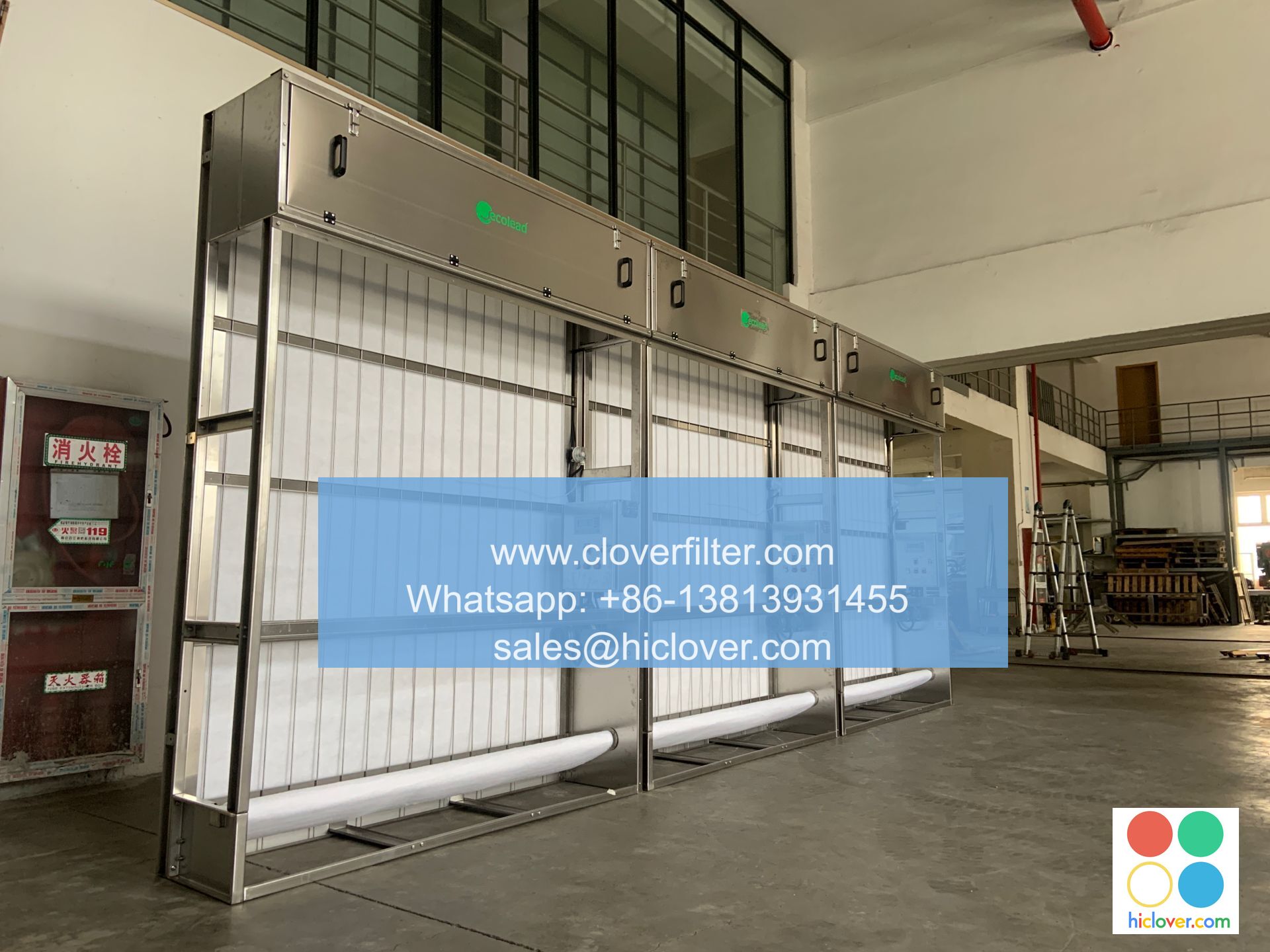
Furthermore, the continuous operation of automatic roll air filters ensures that air quality does not decline over time as filters reach saturation. This is a vital advantage since traditional static filters require frequent monitoring and replacement, increasing labor costs and the risk of lapses in filtration efficiency.
Conclusion
The study’s findings underscore the critical role of high-efficiency automatic roll air filters in maintaining air quality in food labs. By effectively capturing harmful particulates and microorganisms, these systems ensure that laboratories can operate safely, comply with regulatory standards, and uphold the integrity of food products. As the food industry continues to evolve, investing in advanced filtration systems will be key to safeguarding public health and enhancing the overall quality of food production.
FAQs
1. What are automatic roll air filters?
Automatic roll air filters are self-renewing filtration systems that use a roll of filter material that advances automatically as it becomes saturated, ensuring continuous air filtration without frequent manual replacements.
2. How do high-efficiency filters improve air quality?
High-efficiency filters, such as HEPA filters, capture smaller particles, including bacteria and mold spores, which helps to improve air quality in food labs, reducing the risk of contamination.
3. What are the benefits of using automatic roll air filters in food labs?
The benefits include continuous operation without manual intervention, consistent air quality maintenance, increased safety, and compliance with health regulations, leading to overall improved laboratory efficiency.
4. Are there specific maintenance requirements for these filters?
While automatic roll air filters require minimal manual intervention, regular checks on the system’s operational status and periodic inspections are essential for optimal performance.
