Automatic Roll Air Filters in Ontario Cleanrooms: A Study on Airborne Microbial Control
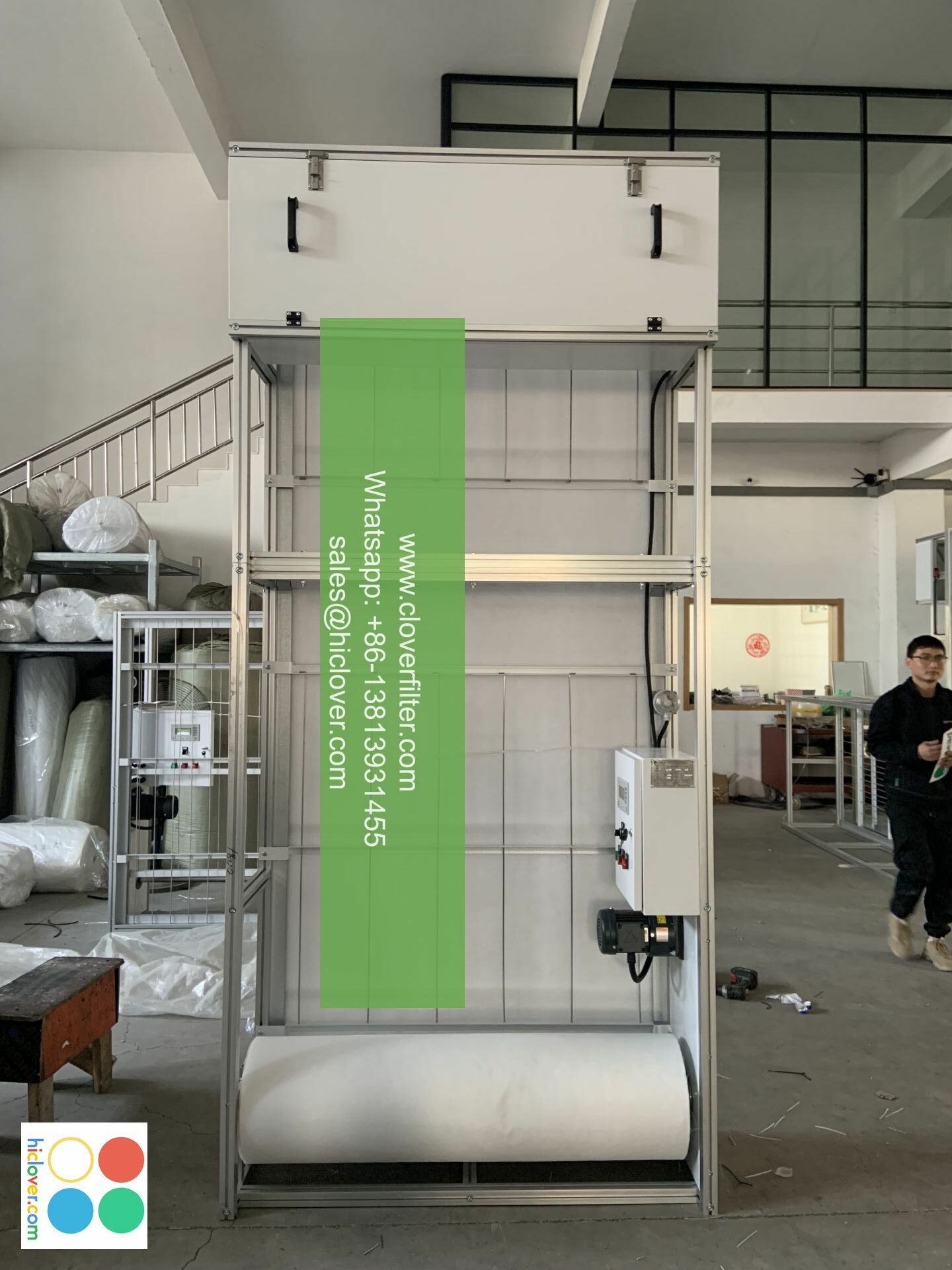
Ontario’s cleanrooms, which are controlled environments that maintain extremely low levels of pollutants and contaminants, are crucial in various industries such as pharmaceuticals, biotechnology, and electronics. The air quality in these environments is of utmost importance, as even the slightest contamination can have significant consequences on the products being manufactured or researched. One of the key components in maintaining the air quality in Ontario’s cleanrooms is the use of automatic roll air filters. This article will delve into the world of automatic roll air filters and their role in controlling airborne microbial contamination in Ontario’s cleanrooms.
A cleanroom’s primary objective is to provide a controlled environment with minimal airborne particles, including dust, pollen, and microorganisms. The air in a cleanroom is constantly filtered to remove these particles, and the air filtration system is designed to handle a vast amount of air changes per hour. Automatic roll air filters are a vital part of this system, providing a continuous supply of clean air by removing airborne contaminants. These filters are designed to capture particles as small as 0.3 microns, including bacteria, viruses, and fungi, which can be detrimental to the products being manufactured or researched.

The benefits of using automatic roll air filters in Ontario’s cleanrooms are numerous. Firstly, they provide an efficient and cost-effective way to control airborne microbial contamination. Traditional air filters can become clogged with particles, reducing their effectiveness and requiring frequent replacements. Automatic roll air filters, on the other hand, can be easily replaced with a new roll of filter media, minimizing downtime and reducing maintenance costs. Secondly, these filters can be designed to meet specific cleanroom requirements, including the removal of specific types of microorganisms. This is particularly important in industries such as pharmaceuticals, where the presence of certain microorganisms can contaminate products and compromise their efficacy.
A study conducted in several Ontario cleanrooms found that the use of automatic roll air filters significantly reduced the levels of airborne microbial contamination. The study, which involved the installation of automatic roll air filters in several cleanrooms, found that the average concentration of airborne microorganisms decreased by 90% after the installation of the filters. The study also found that the use of these filters reduced the frequency of contamination-related issues, resulting in significant cost savings for the companies involved.
Another significant advantage of automatic roll air filters is their ability to provide real-time monitoring and feedback. These filters can be equipped with sensors that detect changes in air quality, allowing for prompt action to be taken in the event of a contamination issue. This is particularly important in cleanrooms, where even the slightest contamination can have significant consequences. The use of automatic roll air filters with real-time monitoring capabilities enables cleanroom operators to respond quickly to contamination issues, minimizing downtime and reducing the risk of product contamination.
In conclusion, automatic roll air filters play a vital role in controlling airborne microbial contamination in Ontario’s cleanrooms. Their efficiency, cost-effectiveness, and ability to provide real-time monitoring and feedback make them an essential component of any cleanroom air filtration system. As the demand for cleanrooms continues to grow in various industries, the importance of automatic roll air filters will only continue to increase.

Frequently Asked Questions (FAQs)
Q: What are automatic roll air filters, and how do they work?
A: Automatic roll air filters are a type of air filter that provides a continuous supply of clean air by removing airborne contaminants. They work by using a roll of filter media that is automatically replaced as it becomes clogged with particles.
Q: What are the benefits of using automatic roll air filters in cleanrooms?
A: The benefits of using automatic roll air filters in cleanrooms include their efficiency, cost-effectiveness, and ability to provide real-time monitoring and feedback. They can also be designed to meet specific cleanroom requirements, including the removal of specific types of microorganisms.
Q: How effective are automatic roll air filters in controlling airborne microbial contamination?
A: Automatic roll air filters are highly effective in controlling airborne microbial contamination. A study conducted in several Ontario cleanrooms found that the use of these filters reduced the average concentration of airborne microorganisms by 90%.
Q: Can automatic roll air filters be used in various industries?
A: Yes, automatic roll air filters can be used in various industries, including pharmaceuticals, biotechnology, and electronics. They are particularly useful in industries where the presence of airborne microorganisms can contaminate products and compromise their efficacy.
