Automatic Roll Air Filters in Pharmaceutical Cleanrooms: A Comparison of Different Filter Media, Technologies, and Designs
Introduction
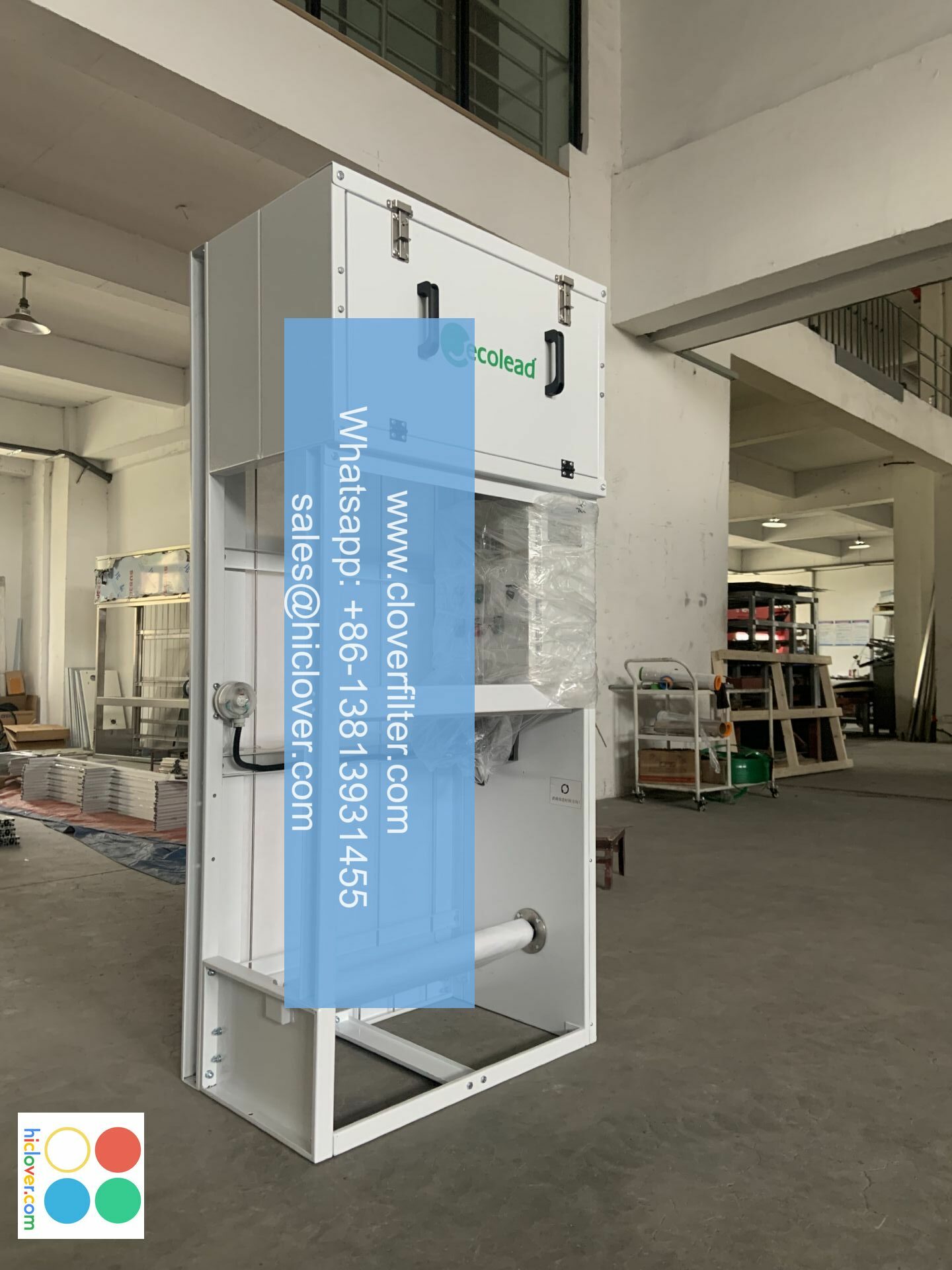
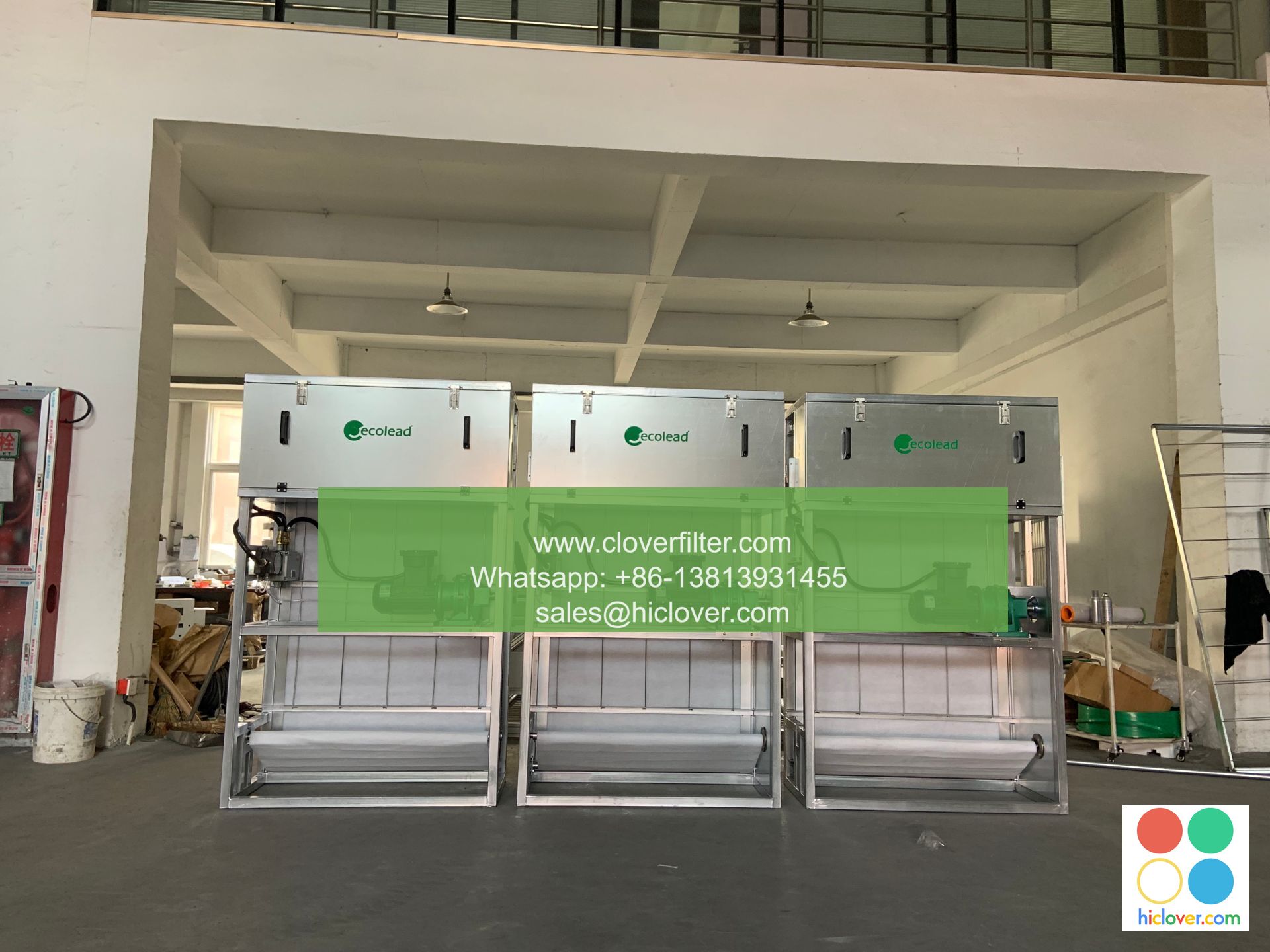
In the pharmaceutical industry, maintaining stringent cleanliness standards is crucial for ensuring product quality and compliance with health regulations. Automatic roll air filters are pivotal components in cleanroom environments, responsible for removing airborne particulates and microorganisms. This article will explore various filter media, technologies, and designs used in automatic roll air filters, ultimately leading to an informed assessment of their effectiveness in pharmaceutical cleanrooms.
Filter Media: Understanding Your Options
The type of filter media used in automatic roll air filters significantly impacts their filtration efficiency, lifespan, and maintenance requirements. The most common types of filter media include HEPA (High-Efficiency Particulate Air), ULPA (Ultra-Low Penetration Air), and pre-filters.
- HEPA Filters: These filters are designed to capture 99.97% of particles that measure 0.3 microns in diameter or larger. They are frequently used in cleanroom applications due to their high efficiency.
- ULPA Filters: Offering even greater filtration efficiency, ULPA filters can trap 99.999% of particles down to 0.12 microns. While beneficial, they also tend to be more expensive and may require more frequent changes based on the cleanroom environment.
- Pre-Filters: Often used in conjunction with HEPA or ULPA filters, pre-filters can capture larger particles before they reach the more expensive and sensitive filters, thus prolonging their lifespan and improving overall efficiency.

Technologies: Innovations in Air Filtration
Innovations in filtration technologies for automatic roll air filters focus on improving efficiency and reducing energy consumption. Key technologies include:
- Electrostatic Filters: These filters utilize an electric charge to attract particles, enhancing capture efficiency. They have the advantage of being washable and reusable, which can reduce waste.
- Activated Carbon Filters: Used primarily for odor control, these filters can adsorb volatile organic compounds (VOCs) in addition to particulates, making them valuable in maintaining air quality.
- Nanofiber Technology: This emerging technology employs extremely fine fibers to create a dense filter matrix that captures smaller particles without significantly hindering airflow.
Design Considerations in Cleanroom Applications
When assessing automatic roll air filters’ designs, various specifications must be considered for optimal cleanroom performance:
- Size and Configuration: The size of the filter and its configuration should align with the cleanroom’s airflow requirements and layout, ensuring proper air distribution without creating dead zones.
- Energy Efficiency: Efficient filters lead to lower fan energy costs and extended filter lifespans. Selecting filters that balance pressure drop with filtration efficiency is essential for operational cost-saving.
- Maintenance Protocols: Filters should be designed for easy replacement to facilitate quick maintenance without disrupting cleanroom operations. Regular inspection and monitoring help maintain compliance and cleanroom integrity.
Conclusion
Choosing the right automatic roll air filters for pharmaceutical cleanrooms necessitates a thorough understanding of filter media, technologies, and design considerations. HEPA and ULPA filters remain popular choices, complemented by innovative technologies like electrostatic and nanofiber filters, which enhance efficiency. Ultimately, a strategic approach tailored to the specific cleanroom environment ensures optimal air cleanliness, regulatory compliance, and operational efficiency.
FAQs
- What is the difference between HEPA and ULPA filters?
- HEPA filters capture 99.97% of particles that are 0.3 microns or larger, while ULPA filters capture 99.999% of particles down to 0.12 microns, making ULPA filters more efficient.
- How often should air filters in cleanrooms be replaced?
- The replacement frequency depends on the filter type, air quality, and cleanroom operations. Regular monitoring can help determine the best schedule for maintenance.
- Can automatic roll air filters be washed and reused?
- Electrostatic filters can often be washed and reused, while HEPA and ULPA filters typically must be replaced when they become clogged or ineffective.
- What factors influence the efficiency of air filters?
- Filter media, design, airflow velocity, and the presence of pre-filters all contribute to the efficiency of air filtration systems in cleanrooms.
