Automatic Roll Air Filters in Pharmaceutical Cleanrooms: Best Practices for Cleaning and Sanitizing
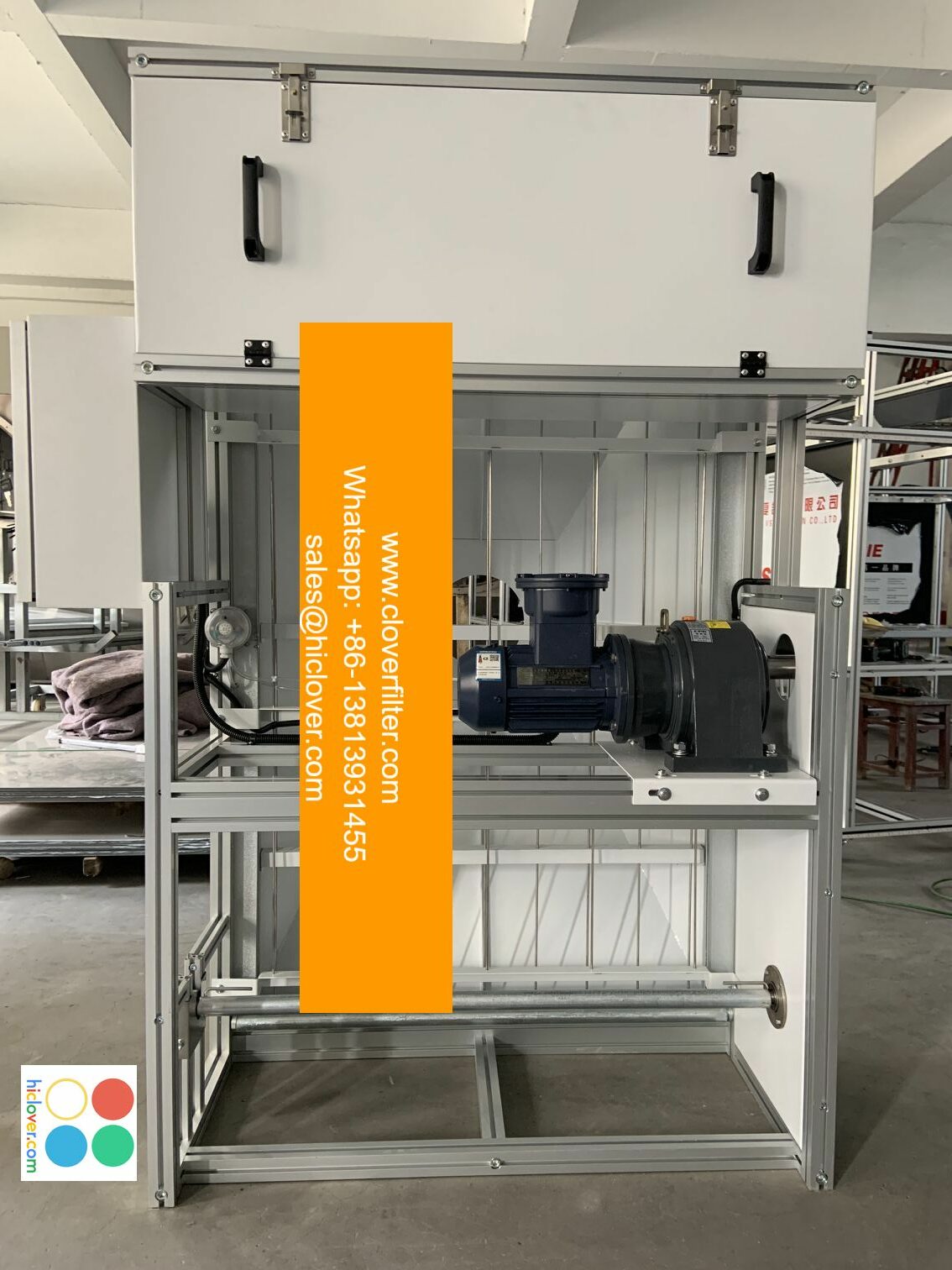
Automatic Roll Air Filters in Pharmaceutical Cleanrooms: Best Practices for Cleaning and Sanitizing
The pharmaceutical industry is heavily regulated, particularly when it comes to maintaining cleanroom environments. Automatic roll air filters are vital components in these settings, ensuring the air remains free from contaminants. With their unique design and functionality, these filters require specific best practices for cleaning and sanitizing to maintain optimal performance.
Understanding Automatic Roll Air Filters
Automatic roll air filters operate on a continuous loop mechanism that allows for a constant supply of clean air. They trap airborne particles, dust, and microorganisms, ensuring that the controlled environment of a cleanroom remains compliant with regulatory standards. As a result, proper maintenance routines for these filters are crucial in ensuring the longevity of cleanroom operations.
Best Practices for Cleaning Automatic Roll Air Filters
1. Establish a Cleaning Schedule
Regular maintenance is key to the efficacy of any cleanroom system. A cleaning schedule should be established based on the usage environment, contaminant levels, and filter specifications. Typically, filters should be checked and cleaned at least once a month.

2. Utilize Proper Cleaning Techniques
When cleaning automatic roll air filters, it’s essential to use techniques that do not damage the media. High-efficiency particulate air (HEPA) filters, for instance, should not be washed with water but instead vacuumed gently with calibrated equipment designed for cleanroom use.
3. Use Appropriate Sanitizing Agents
The choice of sanitizing agents is critical. Non-toxic, non-corrosive agents that are approved for use in cleanrooms must be selected. Common options include isopropyl alcohol and hydrogen peroxide solutions. Be sure to apply these agents on a clean application cloth rather than spraying directly onto the filter.
4. Monitor Filter Efficiency
Regularly monitoring filter efficiency through particle counts can help to assess the filter’s performance and determine the need for cleaning or replacement. This step ensures compliance with ISO standards and helps maintain air quality within the cleanroom.
5. Follow Manufacturer Guidelines
Always refer to the manufacturer’s guidelines for specific cleaning and maintenance procedures. Following these recommendations can help avoid warranty issues and ensure that the filters operate efficiently.
Conclusion
Maintaining the cleanliness of automatic roll air filters in pharmaceutical cleanrooms is a multi-faceted task. By establishing a regular cleaning schedule, utilizing proper techniques, selecting appropriate sanitizing agents, monitoring efficiency, and adhering to manufacturer guidelines, facilities can ensure that their cleanrooms operate at peak performance. Such diligence protects product integrity, worker safety, and regulatory compliance, ultimately contributing to the success of pharmaceutical operations.
FAQs
1. How often should I clean my automatic roll air filters?
It is recommended to clean your automatic roll air filters at least once a month, or more frequently depending on the level of contaminants in your environment.
2. What types of sanitizing agents can I use?
Non-toxic and non-corrosive agents such as isopropyl alcohol or hydrogen peroxide solutions are typically suitable for cleaning filters in cleanroom environments.
3. Can I wash HEPA filters with water?
No, HEPA filters should not be washed with water. Instead, they should be vacuumed gently using cleanroom-compatible equipment.
4. How can I monitor filter efficiency?
Regular particle counts can help assess the efficiency of your filters. If particle levels exceed acceptable limits, it may indicate a need for cleaning or replacement.
5. Where can I find manufacturer guidelines for my specific filters?
Manufacturer guidelines can typically be found in the product documentation that comes with the filters, or you can contact the manufacturer directly for support.
