Automatic Roll Ventilation: A Game-Changer for Kenyan Relief Operations
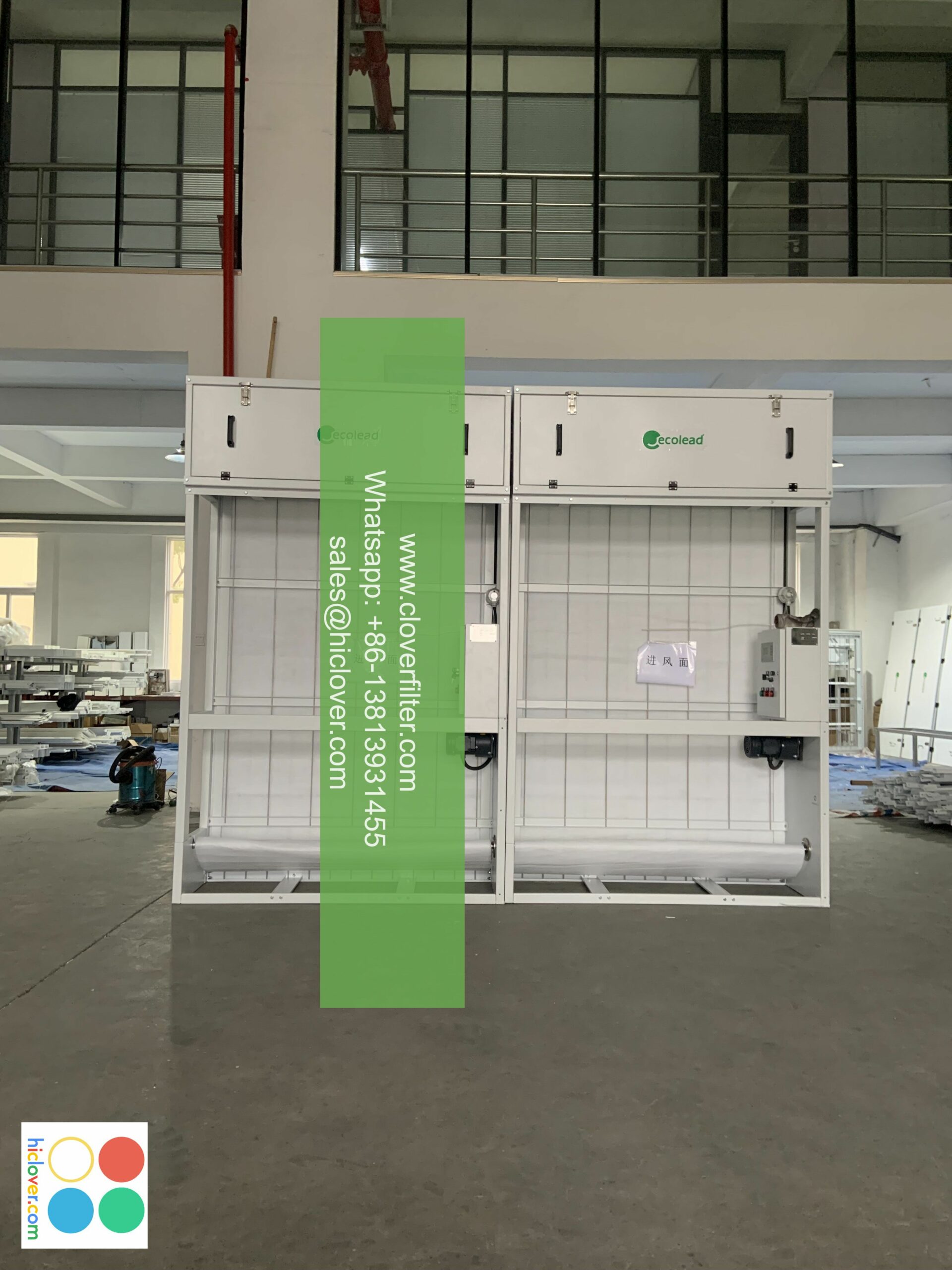
In the face of increasing humanitarian crises, Kenya’s relief operations are being revolutionized by innovative technologies. One such transformative advancement is Automatic Roll Ventilation (ARV). This technology is enhancing the effectiveness of various applications in disaster response, public health, and temporary shelter management.
Understanding Automatic Roll Ventilation

At its core, Automatic Roll Ventilation is a system designed to regulate airflow in enclosed spaces automatically. By using sensors and smart technology, ARV ensures that ventilation is optimized based on real-time environmental conditions. This is particularly critical in situations where tents and temporary shelters are deployed during humanitarian missions.
Key Benefits of Automatic Roll Ventilation in Relief Operations
1. Enhanced Air Quality
Maintaining optimal air quality is essential in relief settings to prevent health issues among displaced populations. ARV systems can detect carbon dioxide levels and adjust airflow accordingly, ensuring that occupants remain comfortable and healthy.
2. Increased Efficiency
By automating the ventilation process, relief organizations can save time and resources. This allows volunteers and aid workers to concentrate on other critical tasks, thus improving overall operational efficiency.

3. Improved Safety
Automatic Roll Ventilation reduces the risk of fires and other hazards that can arise from poor air circulation in temporary shelters. With its capability to operate continuously and adapt to changing conditions, ARV minimizes risks associated with trapped gases and odors.
Application Areas of ARV Technology
Disaster Relief Operations
In the aftermath of natural disasters such as floods or earthquakes, ARV can be implemented in temporary shelters to speed up the recovery process. It allows for quicker setup times while preserving the health and safety of the individuals affected.
Public Health Initiatives
During health crises, such as epidemics, efficient ventilation can help control the spread of airborne pathogens. ARV systems can be strategically deployed in clinics and hospitals to ensure that the air quality remains safe for both patients and healthcare workers.
Community Engagement
ARV technology also plays a role in community outreach efforts. By providing training and resources for local communities to use ventilation systems effectively, relief organizations can empower communities to manage their own emergency responses.
The Future of Relief Efforts in Kenya
As environmental challenges and humanitarian crises continue to escalate, the integration of technologies like Automatic Roll Ventilation will be crucial in shaping the future of relief operations in Kenya. By prioritizing air quality, safety, and efficiency, ARV stands as a beacon of innovation in the humanitarian aid landscape.
Conclusion
In summary, Automatic Roll Ventilation is not just a technological advancement; it is a game-changer for Kenyan relief operations. Its diverse applications, from disaster response to public health initiatives, mark a significant step toward building a more resilient and effective humanitarian response system. The continued investment in such technologies promises to enhance the well-being and safety of vulnerable populations across the country.
It seems like you might have intended to provide a specific prompt or topic for discussion, but it’s missing. Could you please clarify or provide more details about what you would like to talk about or create?
