Balancing Quality and Cleanliness: Dust Control Technologies for Herbal Medicine Factories
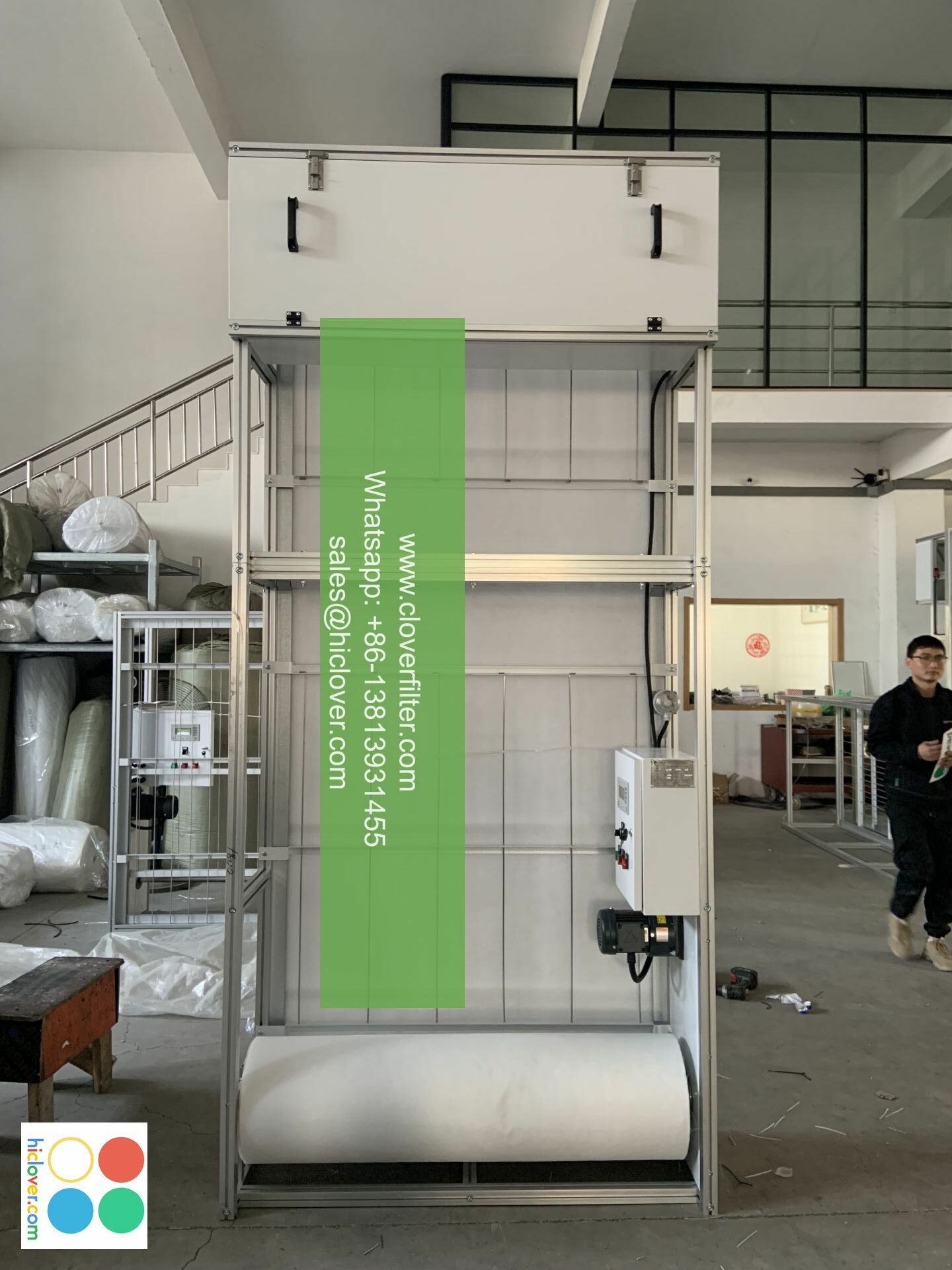
The Importance of Cleanliness in Herbal Medicine Production

In the herbal medicine industry, maintaining pristine cleanliness is critical. Contaminants such as dust can negatively impact the quality and efficacy of herbal products. Effective dust control technologies play a crucial role in ensuring product integrity while adhering to stringent health standards.
Understanding Dust Control Technologies
Dust control refers to a range of technologies and practices designed to minimize airborne particulates in production environments. These technologies are particularly essential in herbal medicine factories, where the processing of natural ingredients may release fine particles into the air.
Key Dust Control Technologies
1. High-Efficiency Particulate Air (HEPA) Filters
HEPA filters are widely used in herbal medicine factories. They can capture up to 99.97% of dust and other airborne particles as small as 0.3 microns, thus ensuring a cleaner environment.
2. Electrostatic Precipitators (ESPs)
These units utilize electrical charges to remove particulates from the air. ESPs are particularly useful in large production facilities where traditional filtration systems may be inadequate.
3. Water Spray Systems
Water spray systems can dampen dust particles on the production floor. The use of this technology minimizes airborne dust during operations like grinding, mixing, and packaging.
4. Vacuum Extraction Systems
Integrating vacuum extraction systems at key points in the production line can capture dust right at the source, reducing the need for extensive cleanup and ensuring a safer working environment.
Application Areas of Dust Control Technologies
Effective dust control technologies find applications across various stages of herbal medicine production:
1. Harvesting and Processing
During harvesting, plant materials can produce fine particles. Implementing dust control measures at this stage prevents contaminants from entering the production line.
2. Grinding and Milling
Grinding operations often generate significant dust. Technologies such as vacuum extraction and water sprays are critical here to maintain air quality.
3. Packaging and Storage
Dust can easily accumulate in packaging areas. Using HEPA filters and maintaining clean environments can ensure that packaged herbal products remain uncontaminated.
The Benefits of Implementing Dust Control Technologies
Investing in advanced dust control technologies results in numerous benefits, including:
- Enhanced Product Quality: Clean environments guarantee the integrity of herbal formulations.
- Regulatory Compliance: Adopting dust control measures helps meet industry and health regulations.
- Worker Safety: Reducing airborne dust improves working conditions, contributing to employee health and safety.
It seems like you entered the word “Prompt.” Could you please provide more context or clarify what you would like to know or discuss? Whether it’s a writing prompt, a question, or something else entirely, I’m here to help!
