Best Air Filters for Mold: Tackling Dampness in Your Home
Key Takeaways
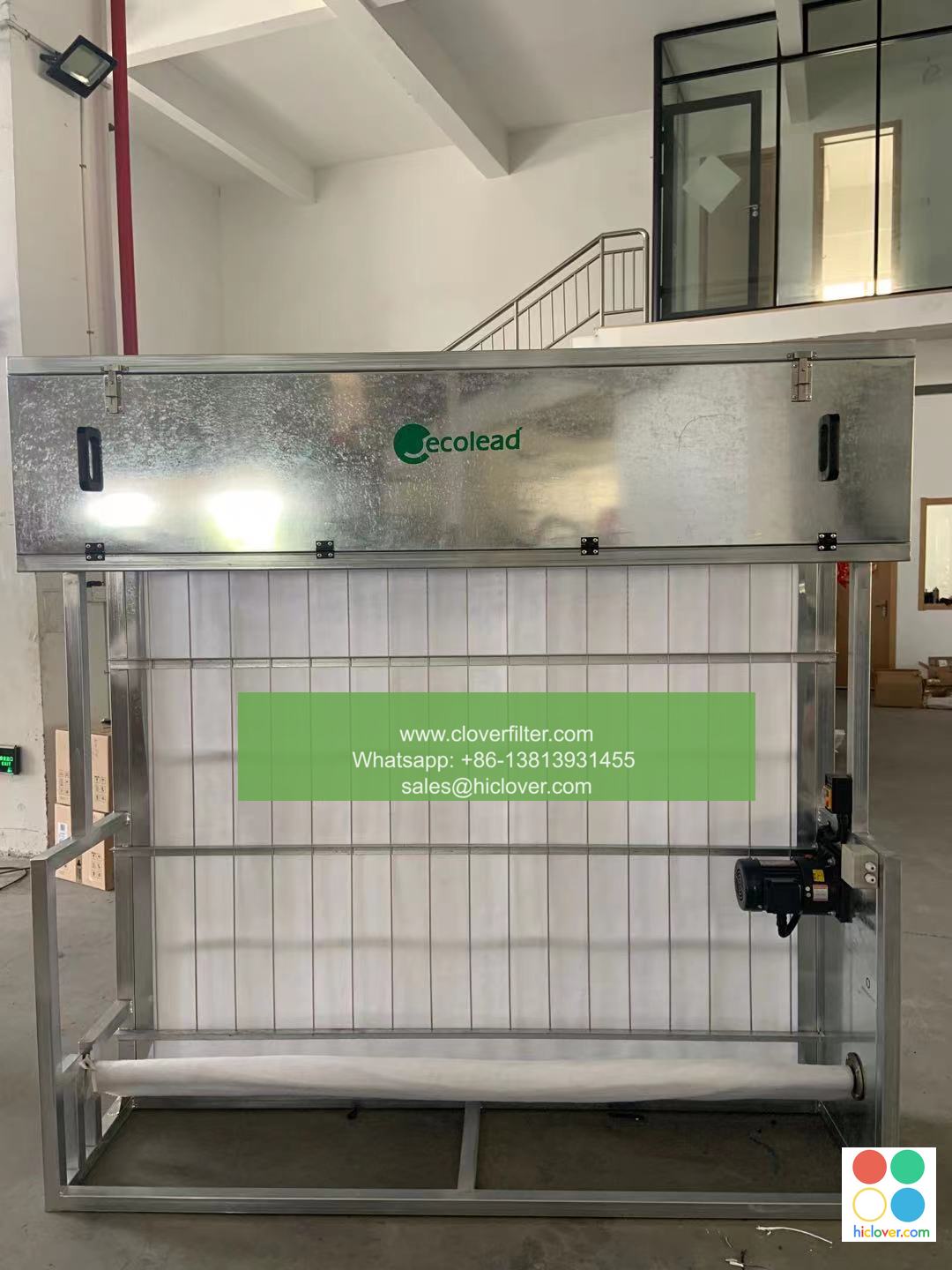
- Automatic Roll Air Filters effectively manage mold and dampness.
- They provide a cost-efficient solution for various industrial settings.
- The roll media advance logic reduces maintenance needs.
- Optimal for HVAC/AHU systems in diverse environments.
- Compliance with standards like MERV and ISO 16890 is advisable.
- CloverFilter offers customizable options for diverse applications.
- Reliable air filter reviews can guide your purchasing decision.
- Airflow Range: Ensure the filter can handle the required cubic feet per minute (CFM) for your system.
- Face Velocity: Look for a face velocity that conforms to optimal air distribution, usually between 300-600 FPM (feet per minute).
- Media Width/Length: Choose a size that fits seamlessly into your existing setups.
- Frame Size: Check compatibility with your HVAC/AHU dimensions to ensure proper fit.
- Control Options: Consider filters with integrated control systems for automation and efficiency.
- Power Supply: Confirm compatibility with available power sources.
- Installation Location: Determine if the filter will be installed at fresh air intakes, return vents, or for process applications.
- Ignoring Maintenance Needs: Regular checks can prevent performance issues.
- Overlooking Pressure Drop: Always account for the filter’s pressure drop in system calculations.
- Choosing the Wrong Size: Measure dimensions accurately to avoid installation errors.
- Neglecting Environmental Factors: Consider humidity and particulate levels that may affect filter performance.
- Assuming One Size Fits All: Different applications may require specific filter types.
- Delayed Replacements: Set reminders for regular filter changing to maintain air quality.
- Forgetting Manufacturer Guidelines: Always refer to the manufacturer’s specifications for installation and maintenance.
-
Data Center: A large tech company installed Automatic Roll Air Filters in its data center to prevent mold growth. With the high humidity in the cooling systems, these filters reduced maintenance downtime and protected sensitive equipment.
-
Battery Factory: Using CloverFilter’s Automatic Roll Air Filters, a lithium battery plant improved air quality, ensuring compliance with safety standards and reducing risks associated with volatile chemicals present in the manufacturing process.
-
Paint Shop: A busy automotive paint shop implemented roll filters to control overspray particles and moisture. The result was enhanced air quality and improved worker safety.
-
Textile/Steel/Cement Industry: These industries frequently face challenges with dust and humidity. Implementing CloverFilter’s Automatic Roll Air Filters led to significant energy savings and maintenance reduction, ensuring that production lines remained efficient.

Understanding Automatic Roll Air Filters
Automatic Roll Air Filters are advanced filtration systems designed to combat a variety of air quality issues, particularly mold and dampness. These filters operate using a roll media advance logic mechanism, which ensures continuous movement of the filtration material. This not only maximizes efficiency but also allows for a more uniform airflow.

The technology behind these filters includes a differential pressure trigger that monitors airflow disruption. When the pressure drop exceeds a set threshold, the system automatically advances the roll of filter media, ensuring that clean air is consistently provided. Additionally, a timer mode can be integrated to adjust the filter changes based on specific operational demands.
These filters are ideal for HVAC (Heating, Ventilation, and Air Conditioning) systems and Air Handling Units (AHUs) requiring reliable particulate control in environments prone to moisture.
How to Select the Right Air Filter
When considering an air filter for mold prevention, several technical specifications should guide your choice:
Comparison of Air Filter Types
| Type | Best Use Case | Maintenance | Pressure Drop Behavior | Operating Cost | Typical Risk/Downside |
|---|---|---|---|---|---|
| Automatic Roll | High-duty applications | Low | Stable | Moderate | Initial installation cost |
| Bag Filter | General industrial | Moderate | Can vary | Low | Clutter and size constraints |
| Panel Filter | Low-traffic environments | High | Lower | High | Frequent replacements |
| V-bank | Varies by application | Low | Moderate | Moderate | Installation complexity |
Common Mistakes & How to Avoid Them
Real-World Scenarios
FAQ
1. What types of air filters are best for mold?
Automatic Roll Air Filters are highly effective for preventing mold growth, especially in environments with high humidity.
2. How often should I replace air filters?
It is advisable to change filters based on usage frequency and environmental factors. Regular checks can help determine when replacements are necessary.
3. Can I retrofit Automatic Roll Air Filters into existing systems?
Yes, these filters can typically be integrated into existing HVAC systems, ensuring compatibility with minimal modifications.
4. Are Automatic Roll Air Filters cost-effective?
While the initial investment may be higher, their low maintenance needs and efficiency can lead to overall cost savings.
5. How do I calculate airflow needs?
Airflow can be calculated based on the size of the space and required air changes per hour. Consult HVAC professionals for precise calculations.
6. What standards should I consider for air filters?
It’s beneficial to reference frameworks like MERV and ISO 16890 to gauge filter efficiency and particulate capture.
7. Can mold grow behind filters?
Yes, neglecting to replace filters on time can lead to mold growth behind them. Regular maintenance is essential.
8. What are the signs that an air filter needs changing?
Reduced airflow, strange odors, or increased energy costs are indicators that a filter may need replacing.
9. How do Automatic Roll Air Filters contribute to energy efficiency?
Their design reduces pressure drop, which can lower energy consumption in HVAC systems.
10. Are there specific certifications for air filters?
While CloverFilter’s products meet various industry standards, specific certifications are generally available on request.
For procurement managers, HVAC engineers, and facility managers, having the right air filtration system is crucial to maintaining clean air quality and reducing operational costs. CloverFilter offers efficient solutions for various industrial applications; for further assistance, visit CloverFilter.
Meta Description: Explore the best air filters for mold, including Automatic Roll Air Filters from CloverFilter, designed to combat dampness and improve air quality in your home.
It seems like you may have intended to provide more context or a specific prompt. Could you please clarify what you’re looking for? Whether it’s a topic for writing, a question, or anything else, I’d be happy to help!
