Best Practices for Installing Automatic Roll Intake Filters in Nairobi DevOps Environments
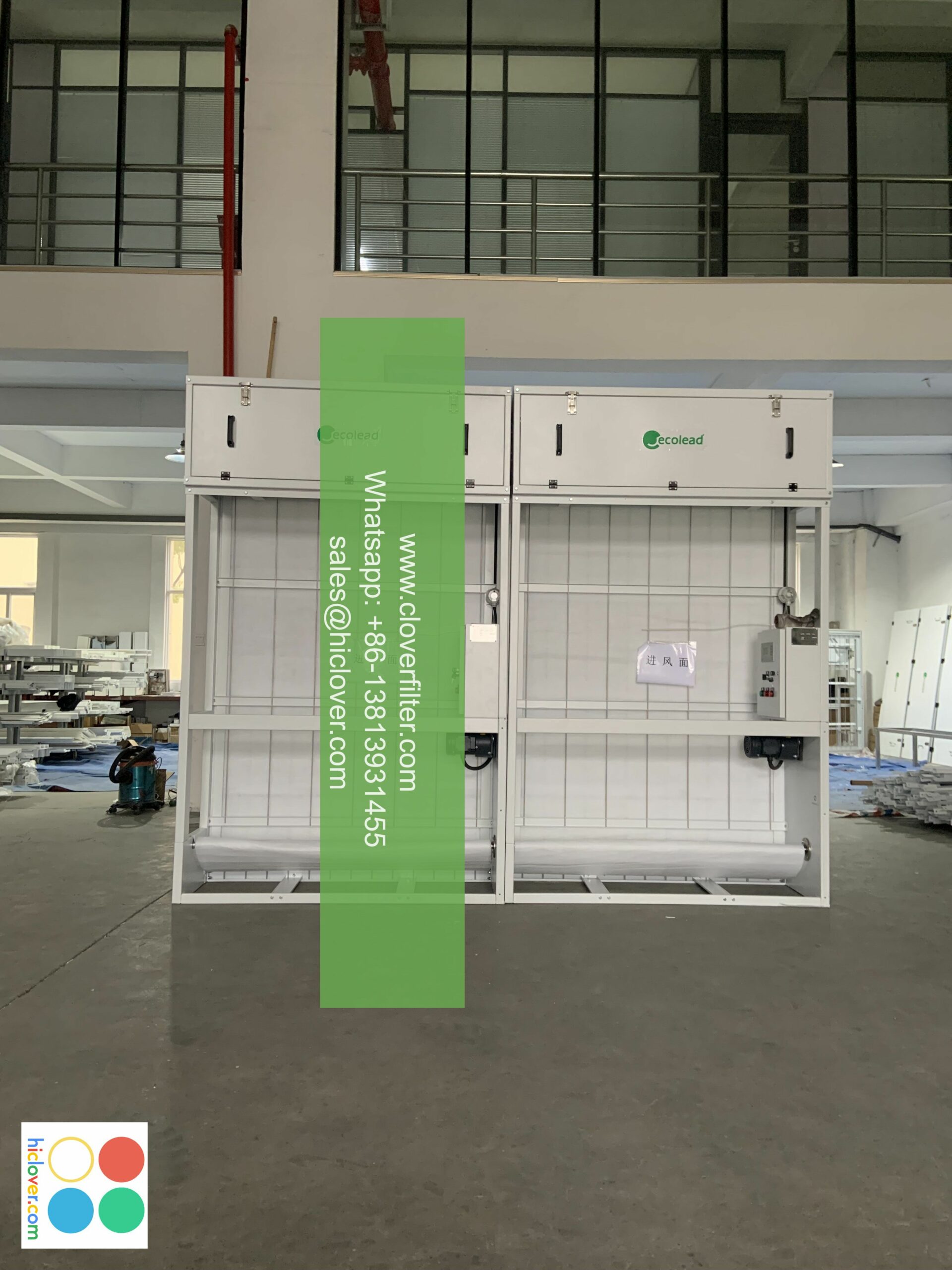
In today’s digital transformation era, organizations in Nairobi are increasingly relying on DevOps environments to streamline software development and operations processes. However, with this shift comes the imperative need to ensure environmental sustainability and operational efficiency. Automatic roll intake filters have become a key technological solution for maintaining optimal conditions in data centers and other critical infrastructure. This article outlines best practices for installing these advanced filtration systems while highlighting their application areas.
Understanding Automatic Roll Intake Filters

What are Automatic Roll Intake Filters?
Automatic roll intake filters are innovative filtration systems designed to enhance air quality in DevOps environments. These filters automatically roll and replace themselves, making them ideal for maintaining clean airflow in server rooms and data centers. Efficient filtration ensures that dust and other contaminants do not affect sensitive hardware, increasing the overall reliability and performance of IT operations.
Best Practices for Installation
1. Assess Environment Requirements
Before installing automatic roll intake filters, conduct a thorough assessment of your environmental requirements. Consider the following factors:
- Air Quality Standards: Determine the air quality standards your DevOps environment must meet. This may include assessing levels of particulate matter and humidity.
- Filter Specifications: Choose filters that suit the specific requirements of your environment, including a suitable MERV (Minimum Efficiency Reporting Value) rating and dimensions.
- Filters are installed correctly to maximize efficiency.
- The system is calibrated to meet the airflow requirements of the data center.
- Regular maintenance schedules are devised to avoid operational downtime.
- Self-Cleaning Capabilities: Look for filters with built-in sensors that can trigger self-cleaning operations, reducing manual labor and enhancing filter lifespan.
- Real-Time Monitoring: Implement filters that offer real-time monitoring to track air quality and filter status, enabling timely maintenance and alerting your IT team to any issues.
- Filter Replacement: Regularly scheduled filter replacements based on usage and environmental conditions.
- System Checks: Routine checks to ensure sensors and automation features are operating correctly.
- How to monitor filter performance using provided software interfaces.
- The protocols for maintenance checks and emergency troubleshooting.
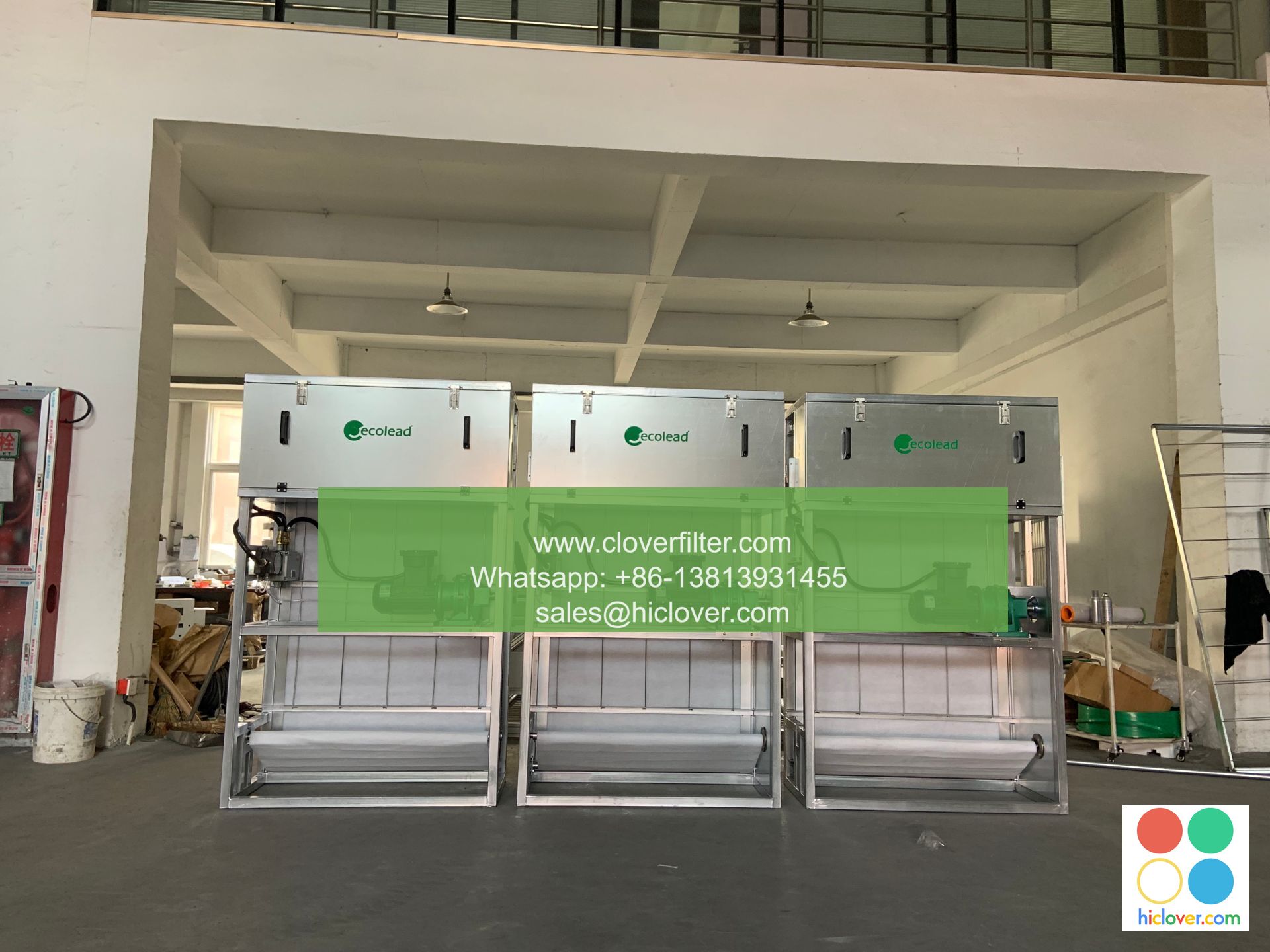
2. Utilize Professional Installation Services
While DIY options may appear cost-effective, it is recommended to engage professional installation services. Experts ensure that:
3. Consider Automation Features
Leverage the automated features of roll intake filters:
Highlighting Application Areas
Data Centers
Nairobi is home to various organizations with large data centers. Automatic roll intake filters help maintain optimal air quality and prevent overheating, which can lead to system failures and increased operational costs.
Network Operations Centers (NOCs)
NOCs require stringent air quality controls to ensure that network operations run smoothly. Automatic filters not only improve air quality but also significantly reduce noise pollution from fan operations.
Manufacturing Facilities
In manufacturing environments, dust and particulate matter can compromise equipment and production quality. Installing these filters helps organizations maintain strict hygiene and air quality standards.
Maintenance and Follow-Up
Schedule Regular Maintenance
To keep your automatic roll intake filters operating at peak efficiency, establish a rigorous maintenance schedule. This should include:
Staff Training
Training your staff on how to operate and maintain the filter systems effectively is crucial. Ensure that the team understands:
Conclusion
Implementing automatic roll intake filters in Nairobi’s DevOps environments is a strategic decision that enhances both efficiency and sustainability. By following these best practices, organizations can ensure the effectiveness of their filtration systems, leading to improved air quality and operational reliability. Understanding the various application areas not only emphasizes the versatility of these filters but also highlights their importance in maintaining optimal conditions across multiple industries. As Nairobi’s tech landscape continues to grow, investing in such advanced technologies will be crucial for long-term success.
It seems like you’re looking for a prompt! Could you please specify what kind of prompt you need? It could be for writing, a creative project, brainstorming ideas, or something else entirely. Let me know how I can assist you!
