Best Practices for Maintaining Cleanroom Pre-Filtration Systems in Vaccination Sites
Introduction
Cleanroom environments are critical in ensuring the safety and efficacy of vaccines during storage and administration. The integrity of cleanroom pre-filtration systems plays a vital role in preventing contamination. In this article, we will explore the best practices for maintaining these systems, focusing on vaccination sites.
Understanding Cleanroom Pre-Filtration Systems
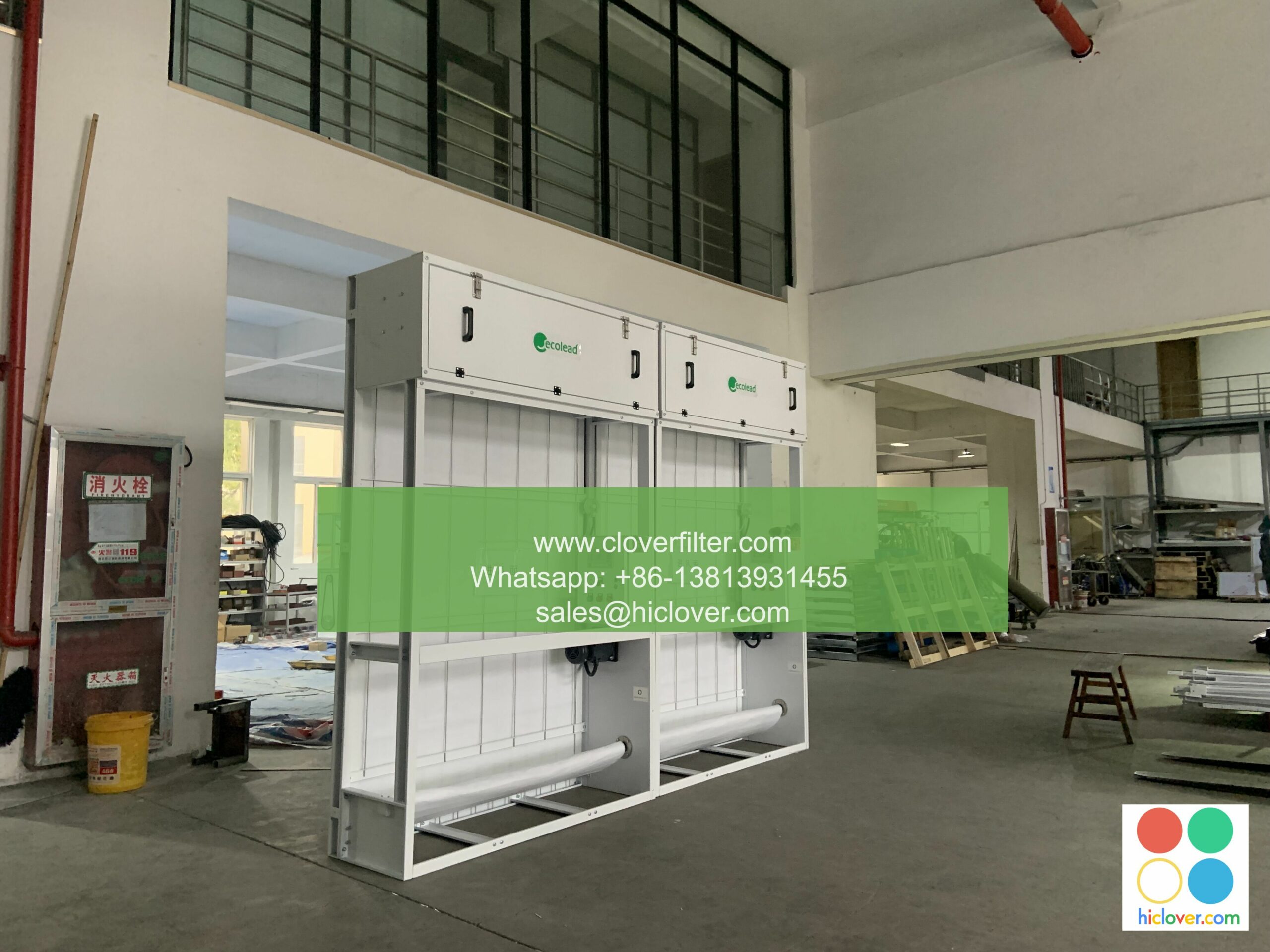
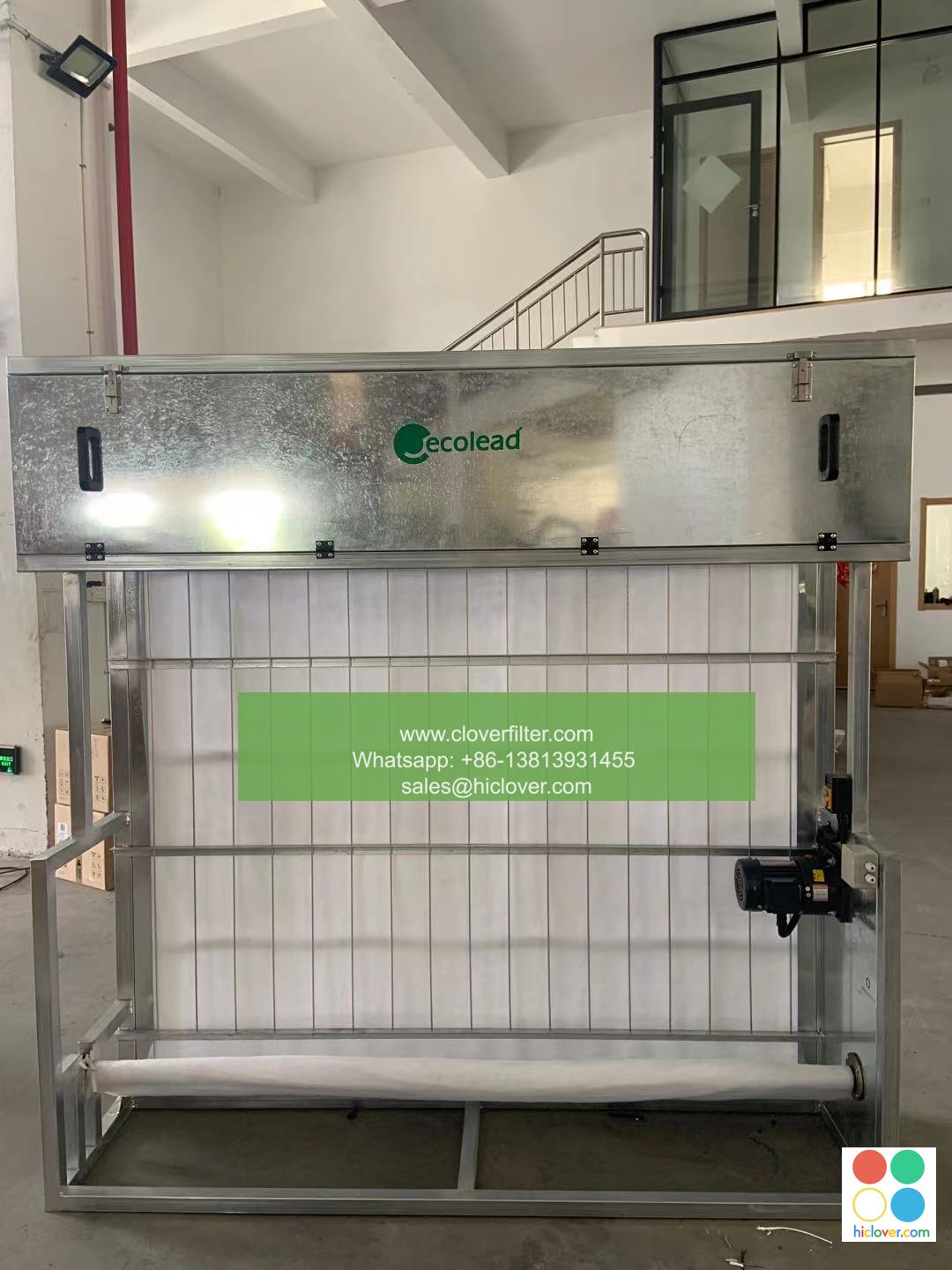
Pre-filtration systems are designed to remove >99% of airborne particulates, creating a sterile environment crucial for vaccine handling. They are used in various application areas including pharmaceutical manufacturing, biotechnology labs, and vaccination sites.
Key Components of Pre-Filtration Systems
Cleanroom pre-filtration systems typically include:
- HEPA or ULPA filters
- Filter housings
- Monitoring systems
- Airflow control devices

Best Practices for Maintenance
1. Regular Inspection and Monitoring
Routine inspections are essential in ensuring the optimal performance of pre-filtration systems. Regular monitoring of air quality, pressure differentials, and filter integrity helps detect issues early. Utilizing advanced monitoring systems can streamline this process and enhance compliance.
2. Scheduled Replacement of Filters
Filters must be replaced according to the manufacturer’s guidelines or when pressure drop readings indicate clogging. Implementing a scheduled replacement plan mitigates risks associated with filter failure and ensures consistent air quality.
3. Cleaning Protocols
Establish thorough cleaning protocols for the entire pre-filtration system, including wiping down surfaces and ensuring that filters are free of contamination. Cleaning agents used should be compatible with the materials present to avoid damage.
4. Training Staff
Personnel should be trained in the importance of maintaining cleanroom pre-filtration systems, including best practices for air handling and filter maintenance. Empowering staff with knowledge will help ensure adherence to protocols and maintain high standards of cleanliness.
5. Documentation and Reporting
Keeping detailed records of inspections, maintenance, and incidents is crucial. Implement a reporting system that allows for trend analysis and identifies areas for improvement. This documentation can assist with audits and regulatory compliance in vaccination sites.
Conclusion
The maintenance of cleanroom pre-filtration systems is vital for safeguarding vaccines in vaccination sites. By following these best practices, organizations can ensure a sterile environment, thereby enhancing the overall safety and efficacy of vaccination efforts. Adopting a proactive approach to maintenance will not only protect public health but also build trust in vaccination programs.
It looks like you didn’t include any specific information or a topic for your prompt. Could you please provide more details or specify what you would like to discuss or know about?
