Best Practices for Maintaining Roll Air Filters in Dodoma’s Public Buildings
Introduction

Maintaining roll air filters is crucial for the efficiency and longevity of HVAC systems in public buildings. In Dodoma, where environmental conditions can fluctuate significantly, implementing effective maintenance practices is vital for ensuring clean air and maintaining energy efficiency. This article explores best practices for maintaining roll air filters in public buildings across various sectors, including schools, hospitals, and government offices.
Understanding Roll Air Filters
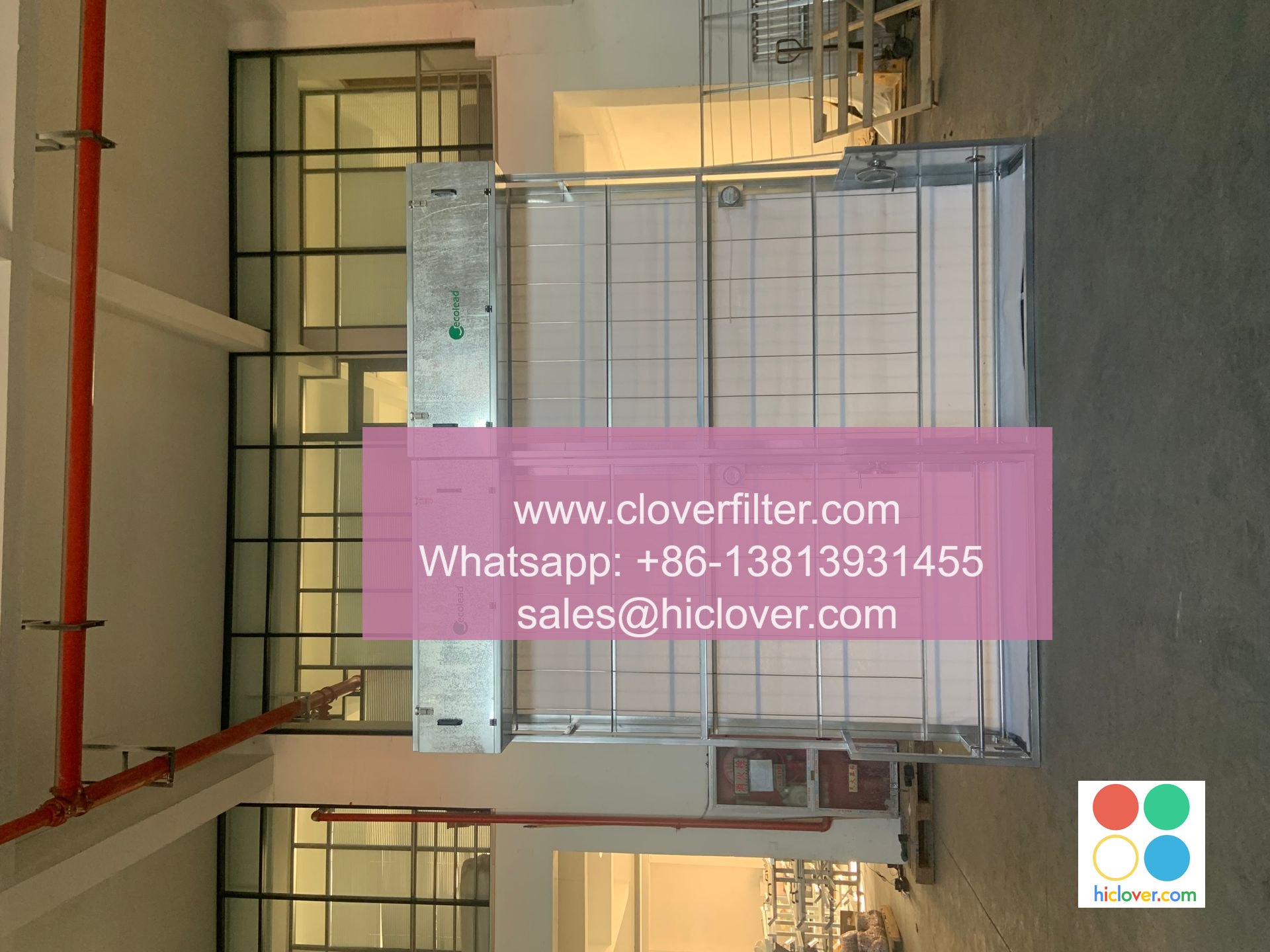
Roll air filters are designed to improve indoor air quality by capturing particulates, dust, and allergens. These filters are utilized in a range of applications such as:
- Commercial Buildings: Retail stores and offices use roll air filters to create a comfortable environment for employees and customers.
- Healthcare Facilities: Hospitals and clinics depend on high-efficiency filters to protect patients and staff from airborne contaminants.
- Educational Institutions: Schools require effective air filtration to maintain a healthy learning environment.
- Reduce the spread of illnesses, particularly in crowded spaces.
- Enhance overall productivity in workplaces.
- Promote better learning environments for students.

Best Practices for Maintenance
1. Regular Inspections
Perform regular inspections of roll air filters to identify wear and tear or excessive dirt buildup. Scheduled monthly checks can prevent potential system failures and ensure optimal performance.
2. Timely Replacement
Replace air filters according to the manufacturer’s recommendations. For roll air filters, this may range from every 1 to 3 months, depending on usage and environmental factors. Neglecting replacement can lead to reduced efficiency and increased energy consumption.
3. Clean Surrounding Areas
Keep the areas around air intakes and exhausts free from debris to enhance the performance of roll air filters. Regular cleaning prevents contaminants from entering the HVAC system, ensuring a longer lifespan for the filters.
4. Monitor Air Quality
Utilize air quality monitoring tools to keep track of indoor air conditions. Knowing when contaminants are higher than normal can help in deciding the urgency of filter replacements or maintenance.
5. Train Staff
Educate building maintenance staff on the importance of air filter maintenance. Providing training on how to check, replace, and troubleshoot roll air filters can empower staff and improve overall maintenance efficiency.
The Importance of Clean Air in Public Buildings
Maintaining clear air in public buildings not only enhances the comfort of occupants but also contributes to better health outcomes. Clean indoor air can:
Conclusion
Maintaining roll air filters in Dodoma’s public buildings is essential for healthy indoor environments. By adhering to best practices such as regular inspections, timely replacements, and staff training, public facilities can improve air quality, increase energy efficiency, and ensure the health of all occupants. Investing in proper air filtration maintenance is an investment in community well-being.
It looks like you’re requesting a prompt. Could you please clarify what kind of prompt you’re looking for? For example, are you interested in a writing prompt, discussion topic, creative exercise, or something else? Let me know how I can assist you!
