Biotech Lab Air Quality Regulations in Ottawa: A Guide to Compliance with Automatic Roll Filters

In the rapidly evolving field of biotechnology, maintaining optimal air quality in laboratories is crucial for ensuring the integrity of research, the safety of personnel, and compliance with regulations. In Ottawa, stringent air quality regulations govern the operation of biotech labs. This article serves as a comprehensive guide to navigating these regulations, focusing particularly on the role of Automatic Roll Filters in maintaining compliance.
Understanding Biotech Lab Air Quality Regulations
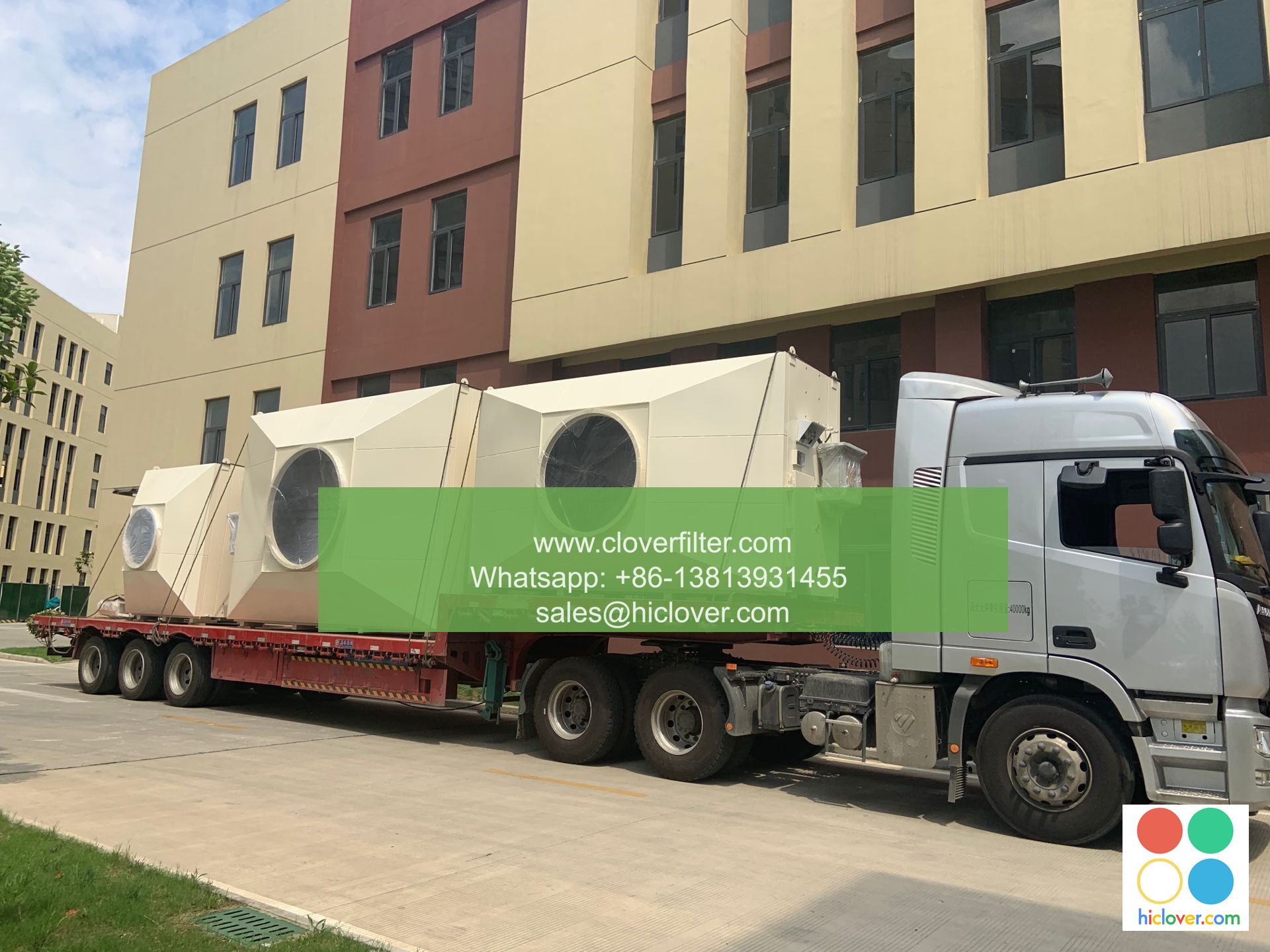
Air quality regulations in Ottawa are designed to protect both public health and the environment. For biotech labs, these regulations are particularly pertinent due to the presence of biological materials and chemicals that may pose risks if not properly managed. Key regulations pertinent to air quality include:
- Ontario’s Environmental Protection Act
- Canadian Biosafety Standards
- Occupational Health and Safety Act (OHSA)
Compliance with these regulations is not merely a legal obligation but a critical component for the successful operation of any biotech laboratory.

The Role of Automatic Roll Filters in Air Quality Management
Automated air filtration systems, specifically Automatic Roll Filters, are increasingly being adopted in biotech labs to adhere to air quality standards. These filters provide several significant advantages:
1. Enhanced Filtration Efficiency
Automatic Roll Filters offer superior filtration efficiencies, capturing harmful particles, allergens, and bioaerosols effectively. They utilize high-efficiency particulate air (HEPA) filtration systems, essential for biotech environments that handle sensitive biological materials.
2. Continuous Monitoring and Maintenance
Equipped with real-time monitoring systems, these filters automatically adjust their operation based on detected air quality levels. This helps ensure that labs maintain compliance with regulations without the need for constant human oversight, significantly reducing administrative burdens.
3. Cost-Effectiveness
While the initial investment in Automatic Roll Filters may be higher compared to conventional systems, their efficiency translates into savings over time. Reduced energy consumption and lower costs associated with manual filter replacements enhance the overall economic feasibility.
Application Areas for Automatic Roll Filters
The implementation of Automatic Roll Filters extends beyond standard Biotechnology Laboratories. Several application areas benefit significantly from these advanced systems:
1. Pharmaceutical Research Facilities
In pharmaceutical labs, the stringent need for sterile environments necessitates the use of high-end filtration systems. Automatic Roll Filters help maintain air quality during drug formulation and testing processes.
2. Genetic Engineering Laboratories
Biotech labs focused on genetic engineering utilize sensitive biological materials that require strict containment and air quality measures. These filters ensure high air purity, essential for reliable experimental outcomes.
3. Environmental Biotechnology
Automatic Roll Filters also find applications in labs that study environmental biotech solutions—like waste treatment and bioremediation technologies—ensuring that lab procedures do not adversely affect ambient air quality.
4. Academic Research Institutions
Research universities and colleges conducting biotech research often face unique air quality challenges. Implementing top-tier filtration systems allows them to foster a safe research environment while also complying with regulatory standards.
Compliance Best Practices
To ensure compliance with Ottawa’s regulations, biotech labs should adopt the following best practices:
-
Regular Maintenance and Inspection
- Conduct routine checks and timely maintenance of the Automatic Roll Filters. This includes replacing filters as necessary and calibrating monitoring systems.
-
Training and Awareness Programs
- Invest in comprehensive training for lab personnel regarding air quality management protocols and the specific functions of filtration systems.
-
Documentation and Reporting
- Maintain meticulous records of air quality testing, maintenance schedules, and compliance assessments to provide documented evidence of adherence to regulations.
-
Up-to-Date Knowledge of Regulations
- Stay informed about local, provincial, and federal regulations regarding lab air quality. Keeping abreast of any changes ensures continued compliance.
Conclusion
In conclusion, air quality management in biotech labs is paramount not only for compliance with Ottawa’s regulations but also for the safety of personnel and the integrity of research. Automatic Roll Filters represent a cutting-edge solution to enhance air quality management within these environments. By understanding and implementing the right filtration systems and best practices, biotech laboratories can effectively navigate regulatory demands while fostering innovation in one of the most critical fields today.
