Bombardier’s Commitment to Sterility: The Implementation of Automatic Roll Air Filters in Aerospace Facilities
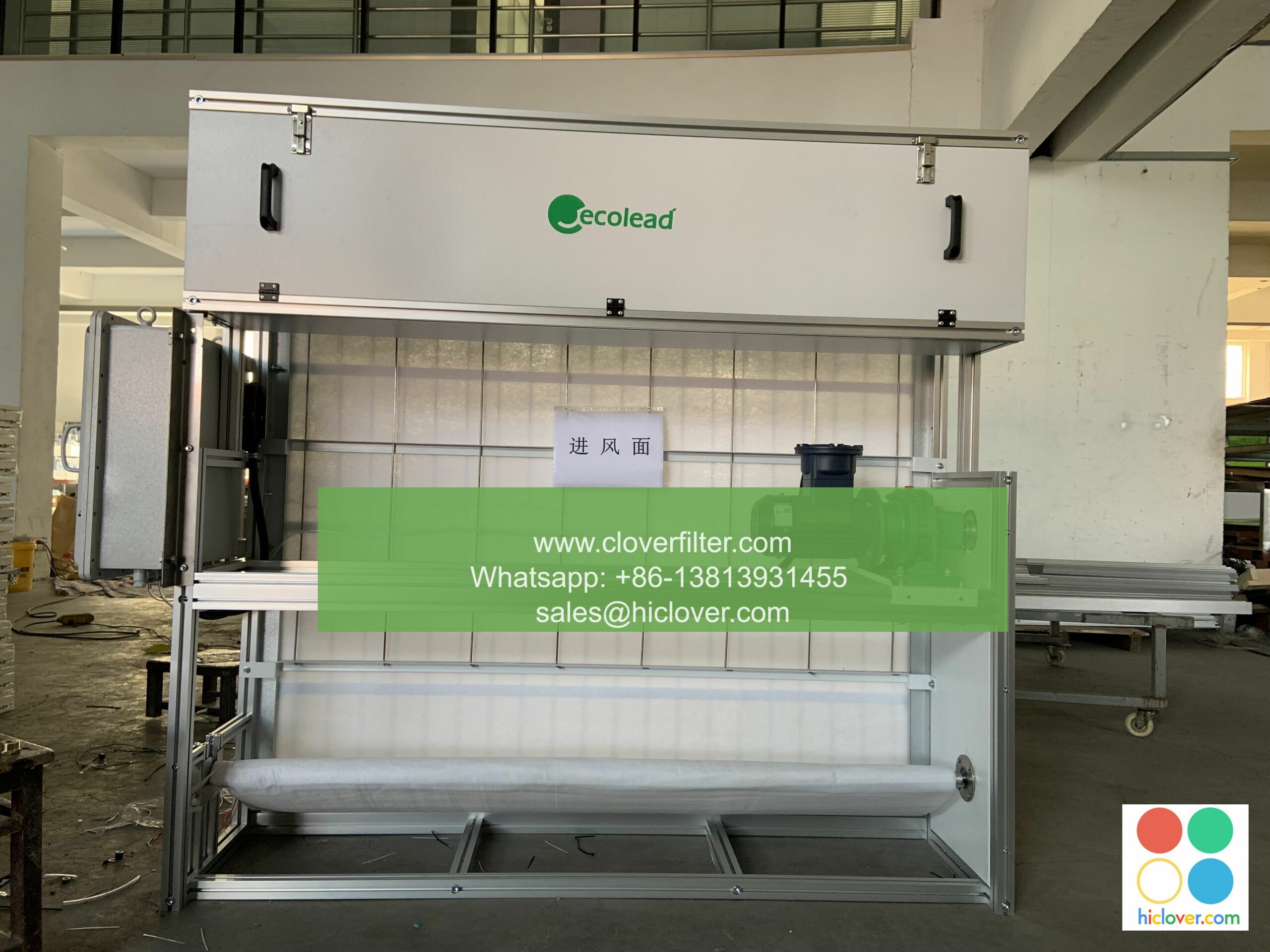
In the ever-evolving world of aerospace, safety and cleanliness are paramount. Bombardier, a leading name in the aerospace industry, has taken significant strides to enhance the sterility of its facilities. By implementing automatic roll air filters, the company not only adheres to regulatory standards but also prioritizes the well-being of its employees and clients. This article explores Bombardier’s commitment to sterility and the broader implications of these advancements in various application areas.
Understanding the Need for Sterility in Aerospace

The aerospace industry faces unique challenges when it comes to maintaining sterilized environments. With components that must function flawlessly under extreme conditions, even the smallest contaminant can compromise aircraft performance and safety. This growing understanding of the need for sterility has led Bombardier to innovate with solutions like automatic roll air filters.
Key Features of Automatic Roll Air Filters
Automatic roll air filters are designed to enhance air quality across aerospace facilities, supporting various cleanroom and manufacturing environments. Some of the standout features of these filters include:
- High Filtration Efficiency: Capable of removing a wide range of airborne particles, these filters ensure that the air remains uncontaminated during the aircraft manufacturing process.
- Continuous Airflow: Automatic roll air filters maintain consistent airflow while minimizing downtimes, allowing for uninterrupted operational efficiency.
- Cost-Effectiveness: By extending the lifespan of filter replacements, the implementation of automatic roll air filters can lead to significant cost savings for aerospace manufacturers.
Application Areas of Automatic Roll Air Filters
Bombardier’s implementation of automatic roll air filters can be applied across various domains within the aerospace sector. Here are some key areas where these filters play a crucial role:
1. Aircraft Assembly Lines
The assembly of aircraft involves multiple intricate components that must be kept free from dust and contaminants. The use of automatic roll air filters ensures clean air circulation, providing a safe environment for assembly workers while protecting the integrity of sensitive parts.
2. Cleanrooms
In aerospace, cleanrooms are vital for research and development processes, particularly in the fabrication of aeronautical components. Automatic roll air filters maintain the stringent air quality necessary for these controlled environments, facilitating groundbreaking innovations.
3. Maintenance Facilities
Air quality plays a significant role in maintenance facilities where aircraft undergo inspections and repairs. By ensuring that the air is free from pollutants, Bombardier’s initiative with automatic roll air filters improves the efficiency of maintenance operations and enhances safety procedures.
4. Manufacturing of Avionics
Avionic systems are critical to aircraft functionality and safety. The implementation of air filters in facilities where these systems are manufactured helps ensure that they are produced in a contaminant-free environment. This directly translates into increased reliability for pilots and passengers alike.
Environmental Benefits of Implementing Air Filters
Beyond improving sterility, the adoption of automatic roll air filters also aligns with sustainable practices in the aerospace industry. These systems typically consume less energy compared to traditional air filtration methods, thus reducing the overall carbon footprint of manufacturing processes. Bombardier’s commitment to blending performance with sustainability sets an example for others in the industry.
Conclusion
Bombardier’s initiative in implementing automatic roll air filters represents a significant advancement in the aerospace sector’s approach towards maintaining sterility. The impacts extend beyond just compliance with regulations; they enhance operational efficiency, improve product quality, and prioritize safety. As Bombardier continues paving the way in aerospace innovation, the commitment to sterile environments serves as a benchmark for the industry to aspire to in various application areas. With these measures in place, the future of aerospace manufacturing looks cleaner, safer, and more promising than ever.
