Boosting Air Quality: The Impact of HVAC Roll Filters on Textile Production
In today’s industrial landscape, the importance of air quality cannot be overstated, especially in sectors like textile production. With the increased focus on sustainability and worker health, manufacturers are turning to advanced filtration systems, such as HVAC roll filters, to significantly enhance indoor air quality.
The Role of HVAC Systems in Textile Production
Heating, ventilation, and air conditioning (HVAC) systems are crucial in managing indoor climates, providing comfort while also ensuring that air contaminants are controlled. In textile manufacturing, where processes often generate considerable dust, fibers, and chemical fumes, maintaining air quality is a critical concern.
What are HVAC Roll Filters?
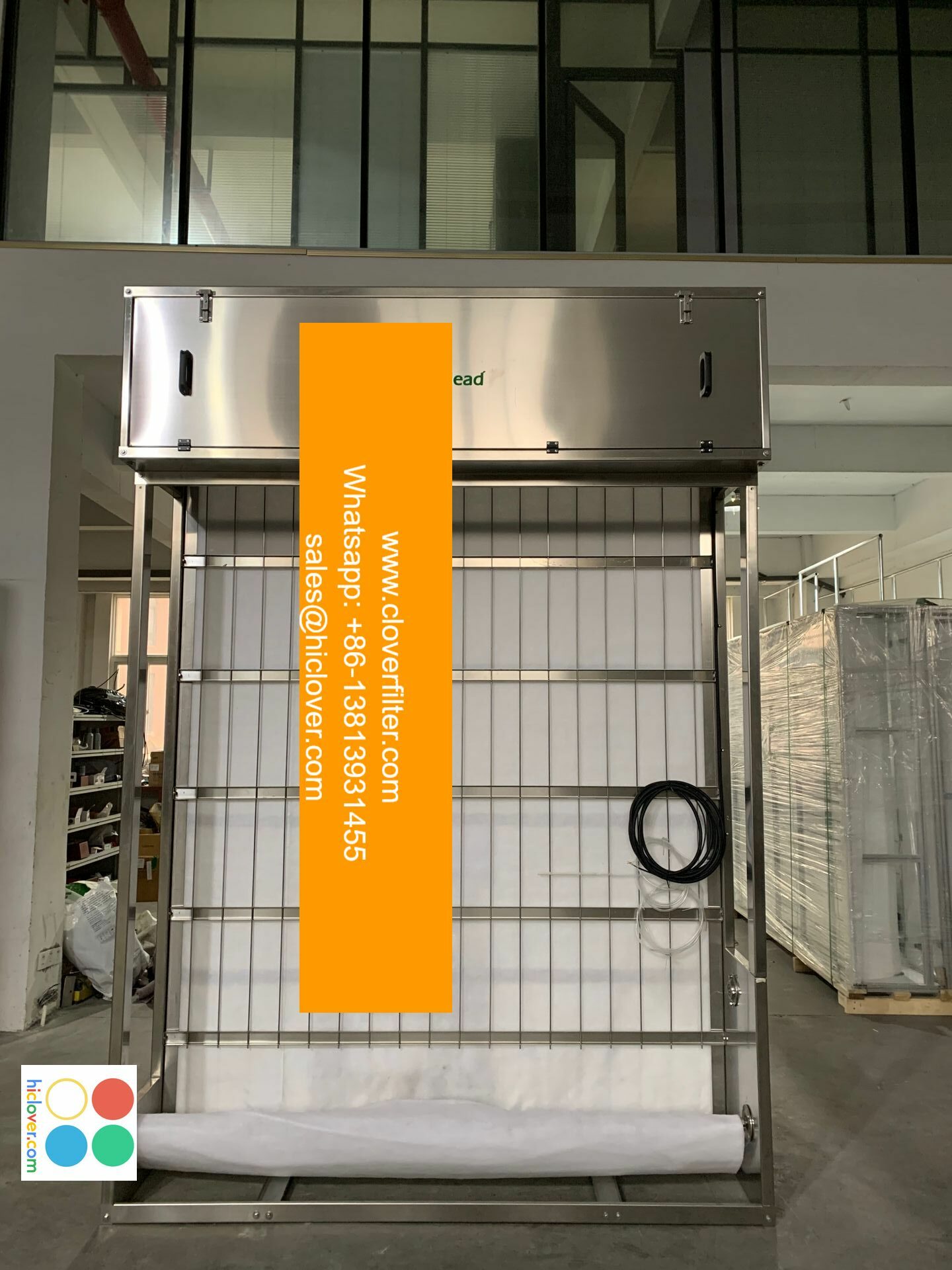
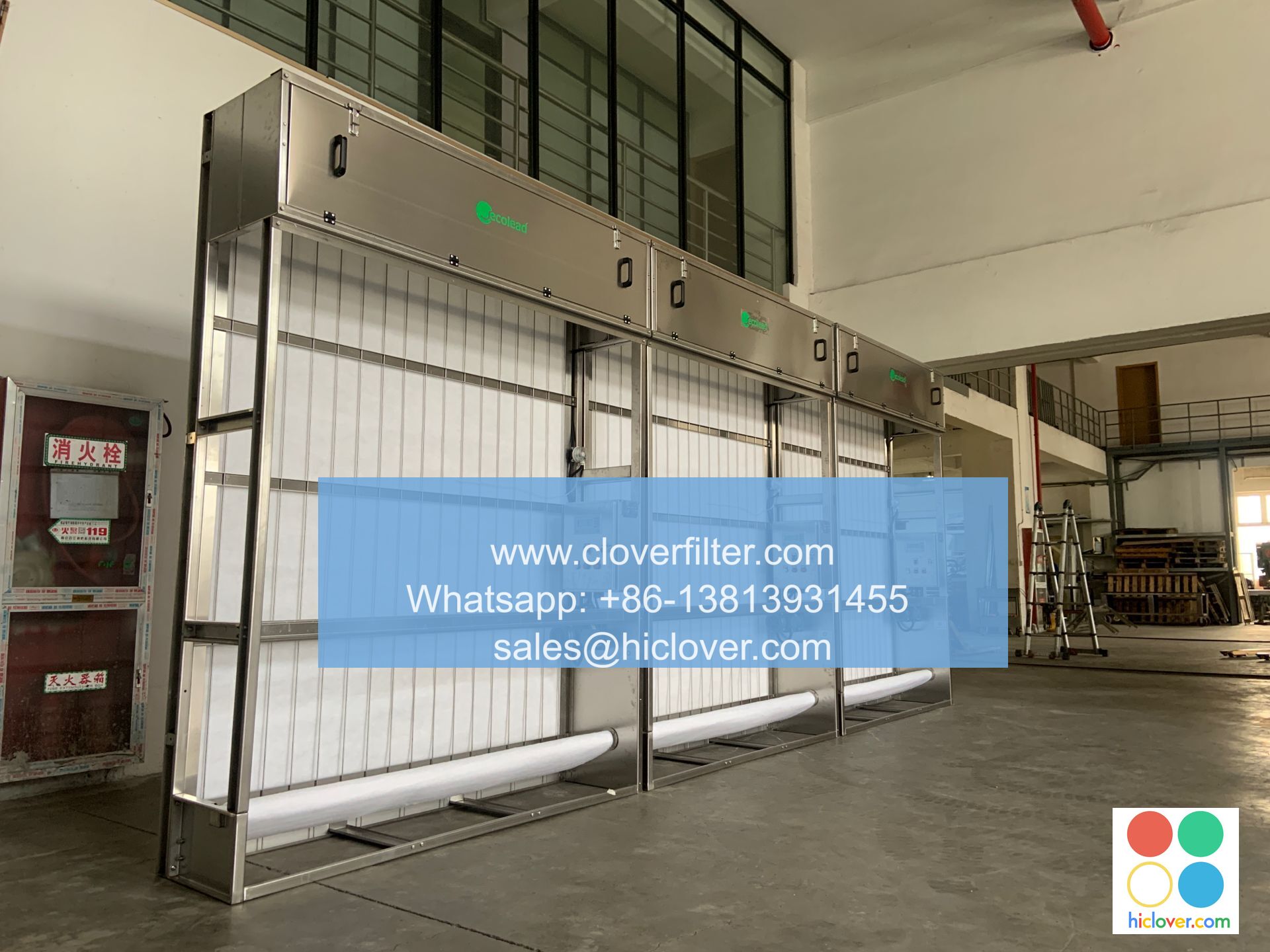
HVAC roll filters are specific filtration systems designed to capture airborne pollutants efficiently. These filters come in a roll format, making them easy to install and replace, which is particularly beneficial in high-traffic production environments.
Benefits of HVAC Roll Filters in Textile Production
1. Enhanced Air Quality
By using HVAC roll filters, textile manufacturers can significantly reduce the levels of airborne particles and contaminants. This contributes to a cleaner, healthier workspace for employees and minimizes the risk of respiratory issues.

2. Improved Employee Health
Investing in HVAC roll filters directly impacts worker well-being. Cleaner air can lead to fewer health complaints, reduced absenteeism, and enhanced productivity. In an industry where employee turnover often correlates with health and safety conditions, this could also contribute to higher job satisfaction.
3. Energy Efficiency
Efficient filters reduce the workload on HVAC systems, leading to lower energy consumption. When air filters are clean, HVAC units do not have to exert extra effort to circulate air, which can lower operational costs significantly.
4. Compliance with Standards
Textile manufacturers must comply with various environmental and occupational health regulations. Utilizing HVAC roll filters helps ensure adherence to these standards, thereby avoiding potential fines and enhancing the company’s reputation.
Application Areas of HVAC Roll Filters in Textile Production
1. Weaving and Knitting Mills
In weaving and knitting mills, the amount of fiber released into the air can be substantial. HVAC roll filters can capture these particles effectively, ensuring that factories remain compliant with air quality standards.
2. Dyeing and Finishing Processes
The dyeing and finishing stages often involve chemicals that can emit harmful volatile organic compounds (VOCs). Effective air filtration not only captures these substances but also safeguards workers’ health during the production process.
3. Non-Woven Fabric Manufacturing
In non-woven fabric production, maintaining a contaminant-free environment is essential. HVAC roll filters provide a reliable solution to ensure that air quality remains high, thus preserving product integrity and quality.
Conclusion
As the textile industry continues to adapt to modern challenges, the incorporation of HVAC roll filters presents a tangible solution for enhancing air quality. With benefits ranging from improved employee health to energy efficiency and regulatory compliance, these filtration systems represent an investment in both sustainability and operational excellence.
It seems like you entered “Prompt.” Could you please provide more details or clarify what you would like assistance with? Whether it’s a writing prompt, a question, or a topic to discuss, I’m here to help!
