Boosting Indoor Air Quality in Healthcare Settings with Air Filter Contacts
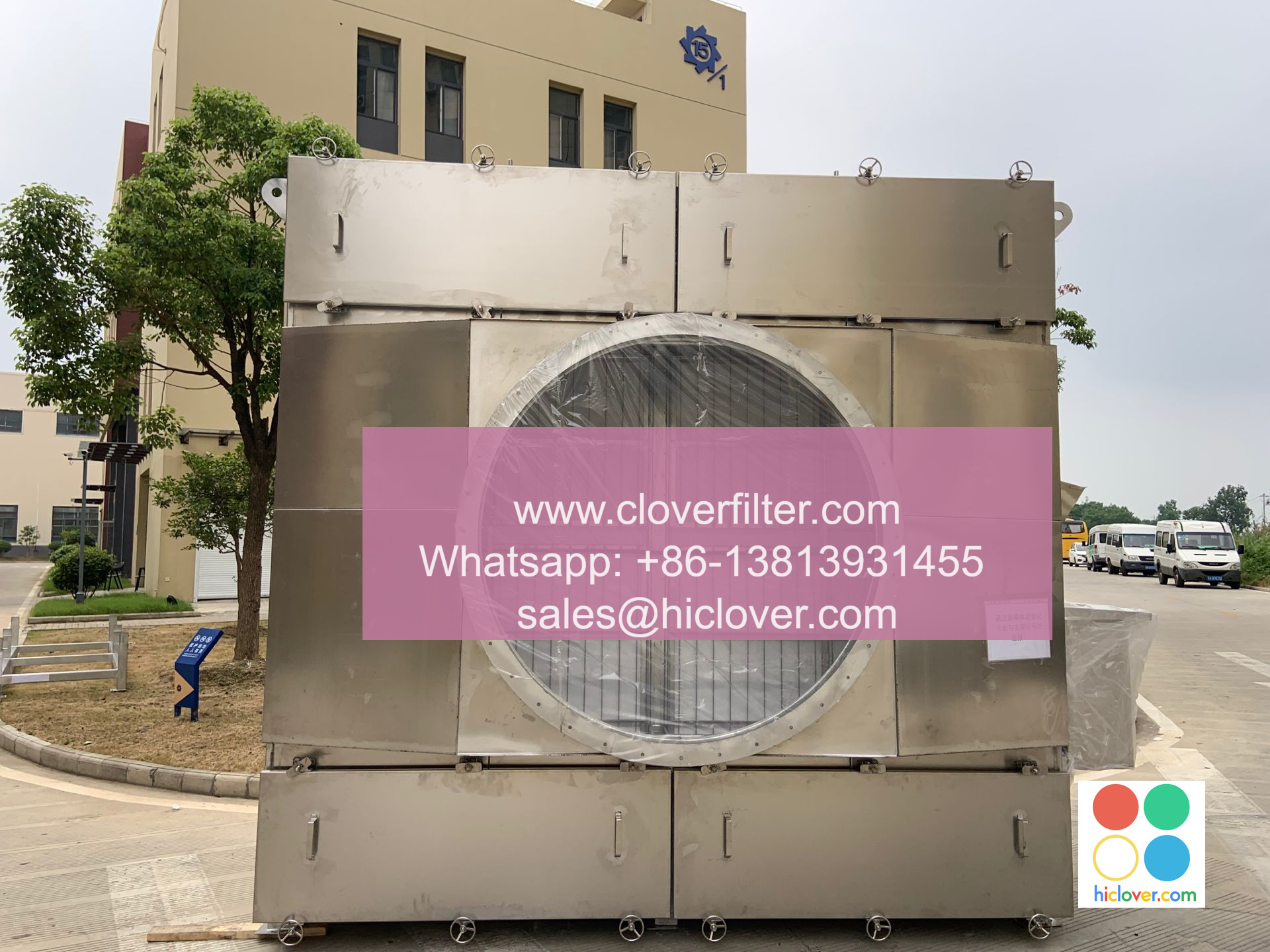
Indoor air quality is a critical concern in healthcare settings, where patients, staff, and visitors are more susceptible to airborne pathogens and pollutants. One effective way to improve indoor air quality is by using air filter contacts, which can capture a wide range of airborne contaminants, including particulate matter (PM), volatile organic compounds (VOCs), and bacteria. In this article, we will explore the benefits of using air filter contacts in healthcare settings, highlighting various application areas and key performance indicators (KPIs) to consider.
Importance of Indoor Air Quality in Healthcare

Healthcare settings, such as hospitals, clinics, and long-term care facilities, require high levels of indoor air quality to prevent the spread of airborne infections and illnesses. Poor indoor air quality can lead to a range of health problems, including respiratory issues,
Benefits of Air Filter Contacts in Healthcare Settings
Air filter contacts offer several benefits in healthcare settings, including:
- Improved indoor air quality: Air filter contacts can capture a wide range of airborne contaminants, including particulate matter (PM), volatile organic compounds (VOCs), and bacteria, improving overall indoor air quality.
- Reduced risk of airborne infections: By capturing airborne pathogens, air filter contacts can reduce the risk of infections and illnesses in healthcare settings.
- Increased patient comfort and well-being: Improved indoor air quality can lead to increased comfort and well-being for patients, ultimately affecting the overall patient experience.
- Enhanced staff productivity: Good indoor air quality can also impact staff productivity and morale, leading to a more efficient and effective healthcare workforce.
- Operating rooms: Air filter contacts can help reduce the risk of airborne infections and contamination during surgical procedures.
- Patient rooms: Improved indoor air quality can lead to increased comfort and well-being for patients, ultimately affecting the overall patient experience.
- ICUs and isolation rooms: Air filter contacts can help reduce the risk of airborne infections and contamination in areas with high-risk patients.
- Public areas: Improved indoor air quality can lead to increased comfort and well-being for visitors and staff, ultimately affecting the overall patient experience and staff productivity.
- Airborne contaminant removal efficiency: The ability of air filter contacts to capture airborne contaminants, including particulate matter (PM), volatile organic compounds (VOCs), and bacteria.
- Air flow rate: The rate at which air is filtered, which can impact the overall indoor air quality and comfort of patients, staff, and visitors.
- Filter maintenance and replacement: Regular maintenance and replacement of air filter contacts can ensure optimal performance and indoor air quality.
- Cost-effectiveness: The cost of air filter contacts compared to other indoor air quality solutions, including installation, operation, and maintenance costs.

Application Areas for Air Filter Contacts in Healthcare Settings
Air filter contacts can be applied in various areas of healthcare settings, including:
Key Performance Indicators (KPIs) for Air Filter Contacts in Healthcare Settings
To evaluate the effectiveness of air filter contacts in healthcare settings, several key performance indicators (KPIs) can be considered, including:
Conclusion
Air filter contacts offer a effective way to improve indoor air quality in healthcare settings, capturing a wide range of airborne contaminants and reducing the risk of airborne infections and illnesses. By considering various application areas and key performance indicators (KPIs), healthcare facilities can optimize their use of air filter contacts, ultimately enhancing the comfort and well-being of patients, staff, and visitors, while also improving staff productivity and patient experience.
It looks like you didn’t include a prompt. Please go ahead and provide a prompt, question, or topic you’d like to discuss, and I’ll be happy to help!
