Brampton’s Coca-Cola Plant: A Case Study on the Effectiveness of Automatic Roll Air Filters
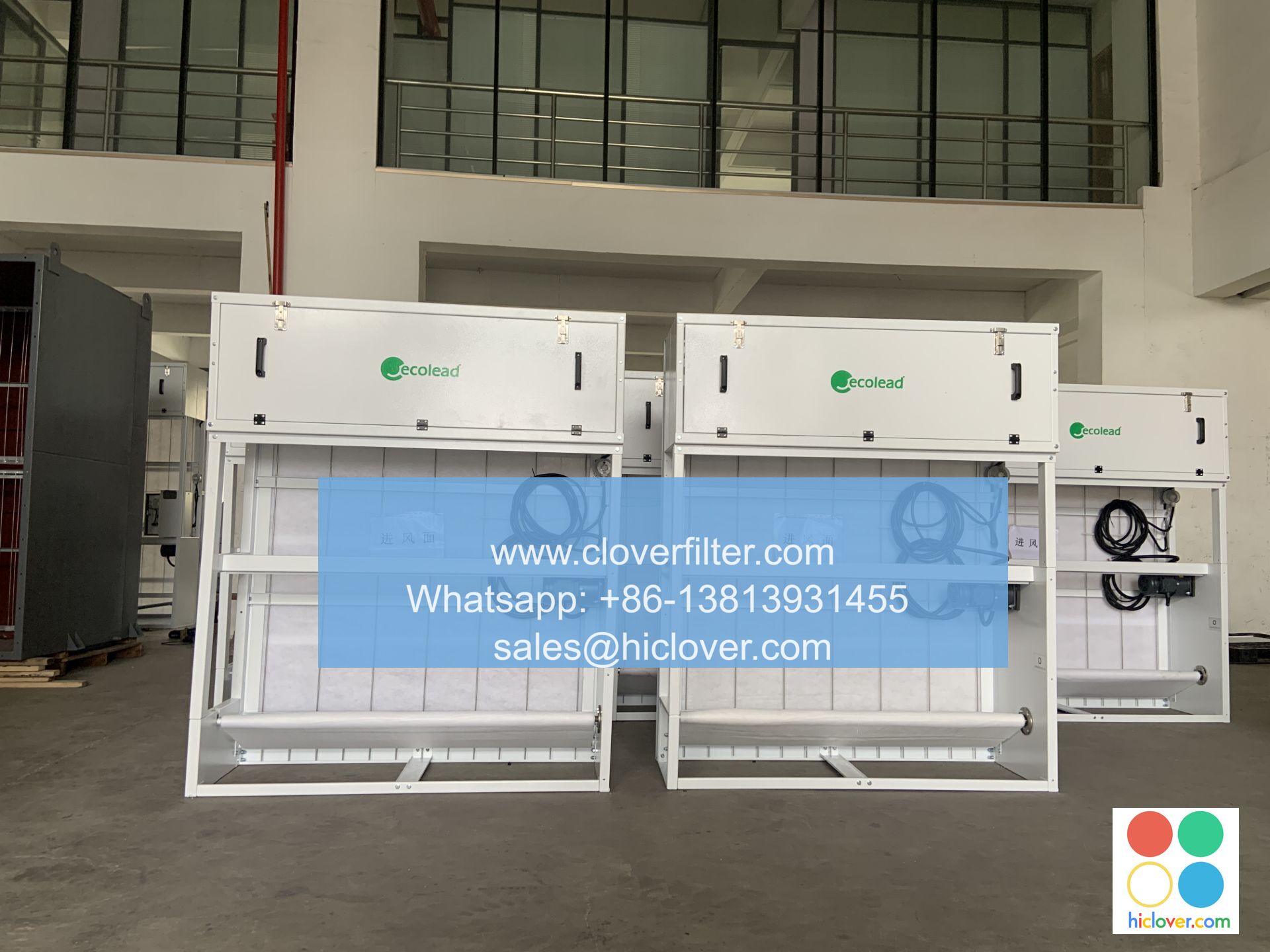
The Coca-Cola plant in Brampton, Canada, is a state-of-the-art facility that produces a wide range of beverages, including soft drinks, juices, and bottled water. As part of its commitment to quality and efficiency, the plant has implemented various air filtration systems to ensure a clean and healthy environment for its products and employees. This article will focus on the effectiveness of automatic roll air filters in the plant’s heating, ventilation, and air conditioning (HVAC) systems and industrial air purification systems.
Introduction to Automatic Roll Air Filters
Automatic roll air filters are a type of air filtration system that uses a rolling filter media to capture particulate matter, pollutants, and contaminants from the air. These filters are designed to provide a high level of filtration efficiency while minimizing energy consumption and maintenance costs. In the context of the Coca-Cola plant, automatic roll air filters are used to maintain a clean and healthy indoor air quality and prevent contamination of products.
Application Areas of Automatic Roll Air Filters
The automatic roll air filters at the Coca-Cola plant are used in various application areas, including:
* HVAC systems: to provide a clean and healthy indoor air quality for employees and products
* Industrial air purification systems: to remove particulate matter, pollutants, and contaminants from the air
* Food processing areas: to prevent contamination of products and maintain a clean and sanitary environment
* Warehouse and storage areas: to maintain a clean and healthy environment for products and employees
Benefits of Automatic Roll Air Filters
The implementation of automatic roll air filters at the Coca-Cola plant has resulted in several benefits, including:
* Improved indoor air quality: the filters have reduced the levels of particulate matter, pollutants, and contaminants in the air
* Increased energy efficiency: the filters have minimized energy consumption and reduced the carbon footprint of the plant
* Reduced maintenance costs: the filters have reduced the need for frequent replacements and maintenance
* Improved product quality: the filters have prevented contamination of products and maintained a clean and sanitary environment

Conclusion
The implementation of automatic roll air filters at the Coca-Cola plant in Brampton has been a success story in terms of improving indoor air quality, increasing energy efficiency, and reducing maintenance costs. The use of these filters has also enhanced product quality and maintained a clean and healthy environment for employees and products. As the plant continues to expand and evolve, the use of automatic roll air filters will remain an essential part of its air filtration systems and industrial air purification systems.
Recommendations for Future Implementations
Based on the success of the automatic roll air filters at the Coca-Cola plant, we recommend that other food processing plants and industrial facilities consider implementing similar air filtration systems to improve indoor air quality, increase energy efficiency, and reduce maintenance costs. Additionally, the use of automatic roll air filters can be integrated with other air purification technologies, such as UV air purifiers and activated carbon filters, to provide a comprehensive air filtration solution.
Future Research Directions
Future research directions for automatic roll air filters could include:
* Developing new filter media with improved filtration efficiency and increased durability
* Integrating automatic roll air filters with other air purification technologies to provide a comprehensive air filtration solution
* Conducting case studies on the effectiveness of automatic roll air filters in various industrial and commercial settings
By exploring these research directions, we can continue to improve the effectiveness of automatic roll air filters and enhance their applications in various industries and settings.
