Breathe Easy: How Air Filter Technologies Are Improving Urban Air Quality
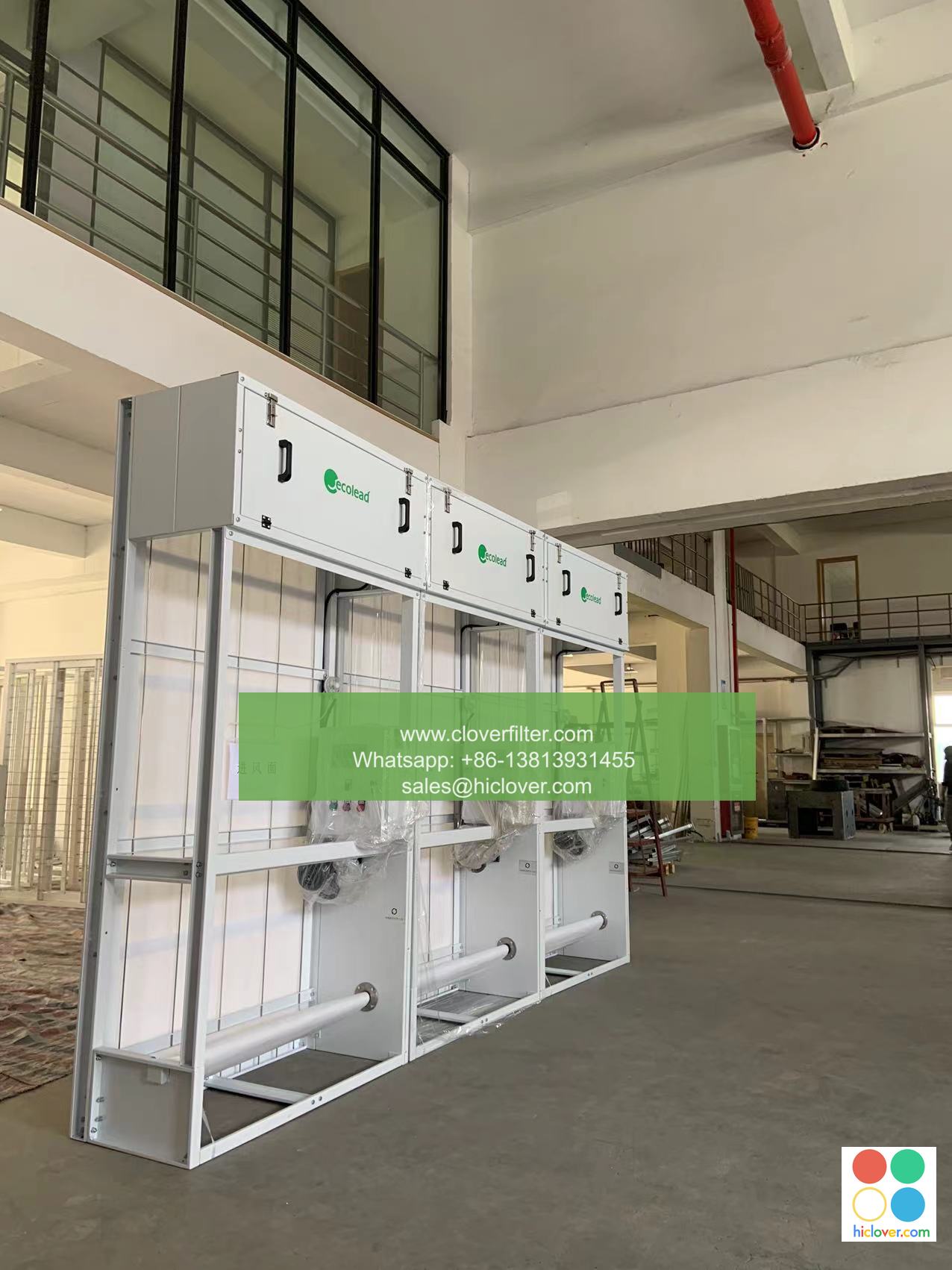
Air pollution is a significant concern in urban areas, with particulate matter, nitrogen dioxide, and other pollutants posing a threat to public health. However, advancements in air filter technologies are helping to improve urban air quality, making cities a healthier place to live. In this article, we will explore the various applications of air filter technologies and their impact on urban air quality, including indoor air purification, outdoor air cleaning, and transportation emissions reduction.
Indoor Air Purification: A Key Application Area
Indoor air pollution is a significant issue, with pollutants like particulate matter, volatile organic compounds (VOCs), and nitrogen dioxide emanating from sources like cooking, heating, and building materials. Air filter technologies like High Efficiency Particulate Air (HEPA) filters, activated carbon filters, and ultrafine particle filters are being used to purify indoor air, removing up to 99.97% of particles as small as 0.3 microns. These technologies are being integrated into HVAC systems, air purifiers, and ventilation systems to improve indoor air quality.
Outdoor Air Cleaning: A Growing Concern
Outdoor air pollution is a major concern, with pollutants like particulate matter, nitrogen dioxide, and ozone posing a threat to public health. Outdoor air filter technologies like urban air purification systems and green roofs are being used to clean outdoor air, removing pollutants and improving air quality. These technologies are being integrated into urban planning and architecture to create healthier and more sustainable cities.
Transportation Emissions Reduction: A Critical Application Area
Transportation emissions are a significant contributor to urban air pollution, with pollutants like nitrogen dioxide, particulate matter, and carbon monoxide emanating from vehicles. Air filter technologies like vehicle emission control systems and exhaust gas recirculation systems are being used to reduce transportation emissions, improving air quality and public health. These technologies are being integrated into vehicle design and transportation infrastructure to create a more sustainable and environmentally-friendly transportation system.

Emerging Trends and Technologies
Several emerging trends and technologies are expected to further improve urban air quality, including nanotechnology-based air filters, biotechnology-based air purification systems, and artificial intelligence-powered air quality monitoring systems. These technologies are being developed to provide more efficient, effective, and sustainable solutions for improving urban air quality.
Conclusion
In conclusion, air filter technologies are playing a critical role in improving urban air quality, with applications in indoor air purification, outdoor air cleaning, and transportation emissions reduction. As emerging trends and technologies continue to evolve, we can expect to see even more innovative solutions for improving urban air quality, making cities a healthier and more sustainable place to live. By highlighting the various application areas and technologies, we can work towards creating a breathe easy environment for everyone. You haven’t given me a prompt to work with. Please provide a question or topic you’d like to discuss, and I’ll do my best to provide a helpful and informative response.
