Brisbane’s Best Practices: Automatic Dust Filtration in Medical Training Laboratories
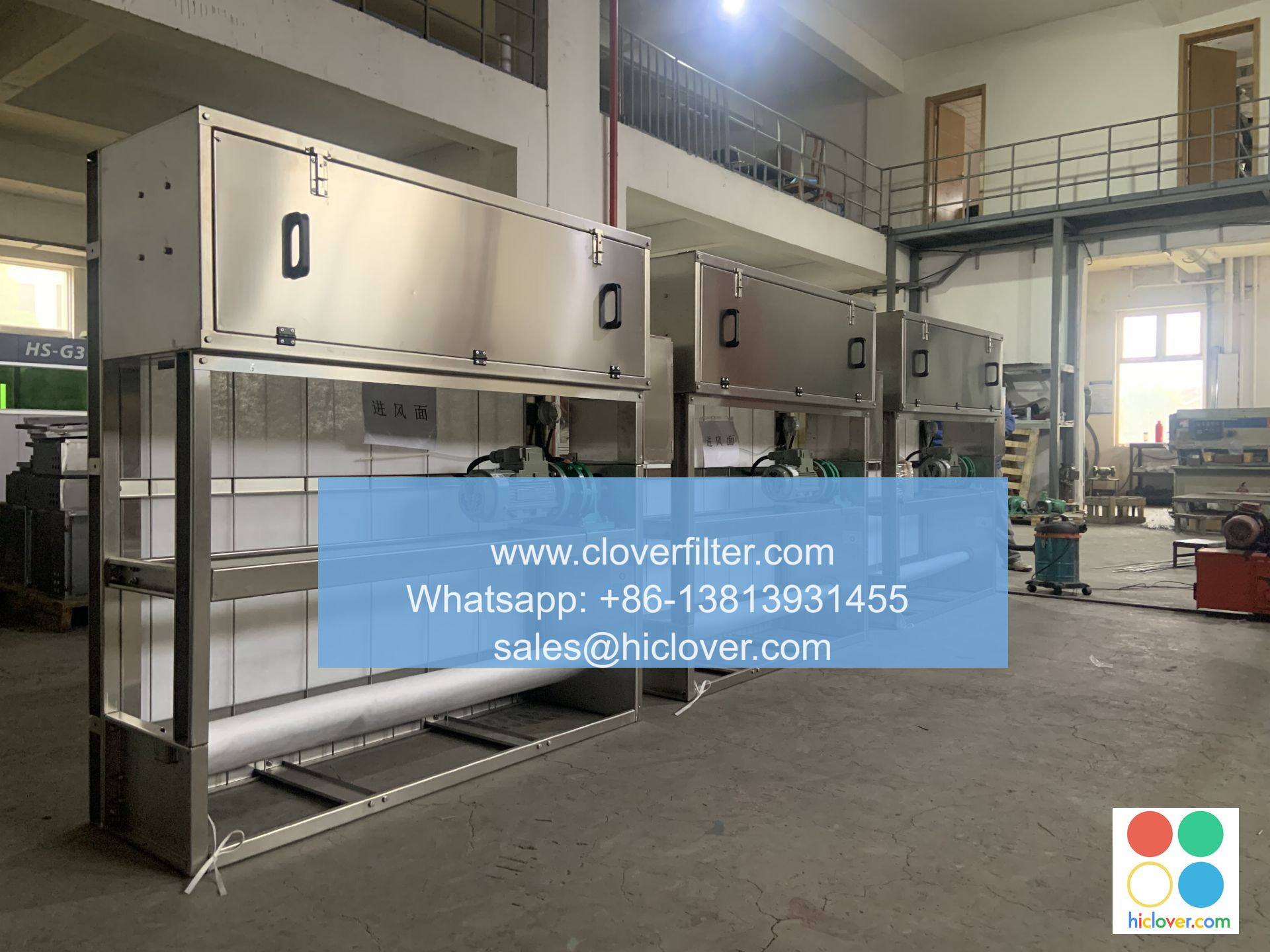
Brisbane is becoming a beacon of innovation in the realm of medical training laboratories, particularly through its adoption of automatic dust filtration systems. With an increasing emphasis on maintaining a clean and safe training environment for healthcare professionals, these filtration systems play a crucial role in ensuring that medical students and trainees receive the best possible education without being hindered by environmental pollutants.
The Importance of Clean Environments in Medical Training
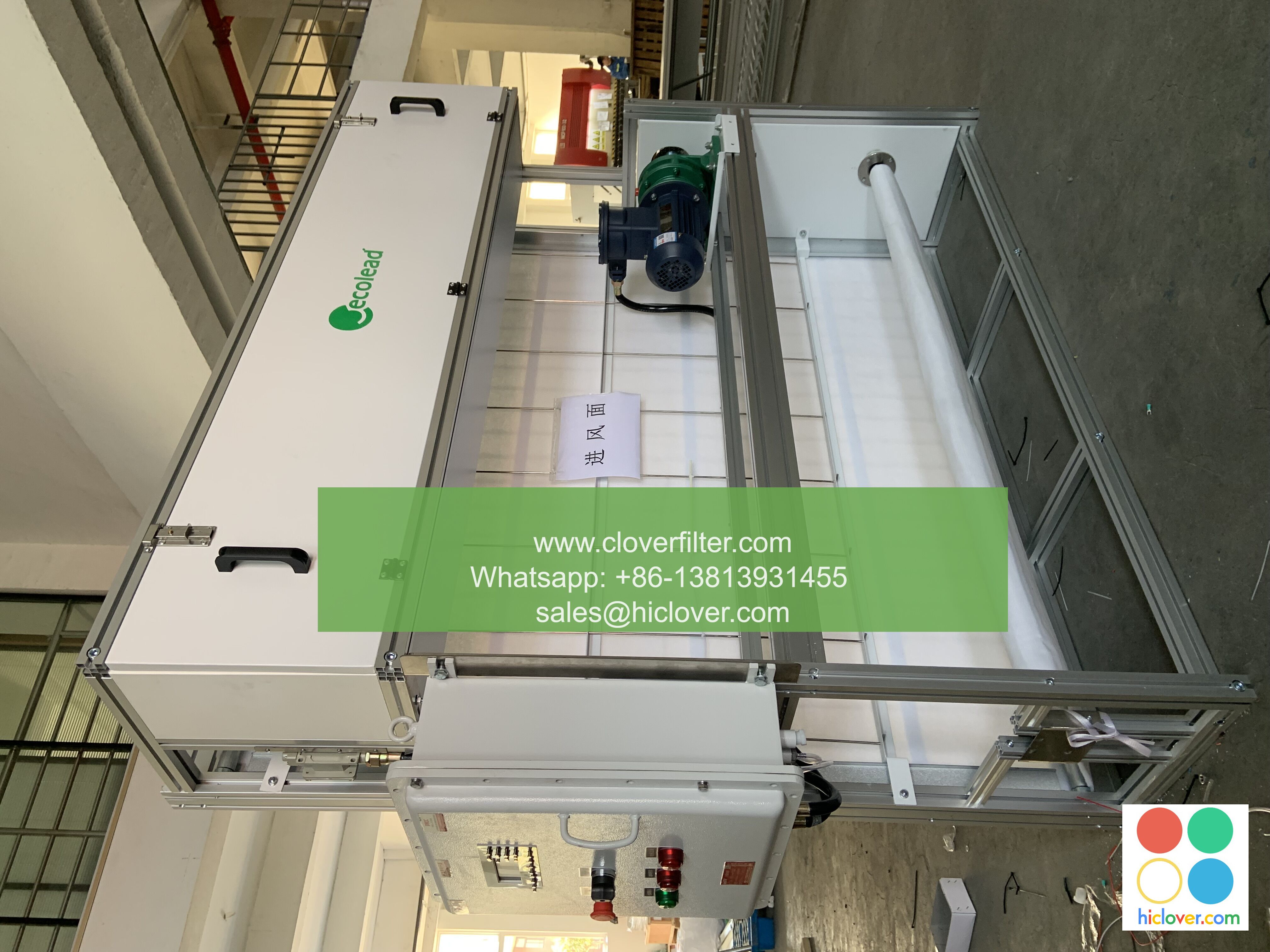
Medical training laboratories are often at the forefront of practical education, including simulations and experiments that require a high standard of cleanliness. Dust and airborne particles can not only interfere with sensitive equipment and instrumentation but may also present health risks to individuals working in these environments. Therefore, implementing automatic dust filtration systems is essential to:
- Enhance the quality of air and reduce the risk of allergies and respiratory issues among trainees.
- Ensure accurate results in sensitive experiments and practical demonstrations.
- Protect valuable equipment and laboratory materials from dust-related damage.
How Automatic Dust Filtration Works
Automatic dust filtration systems operate using advanced technology that dynamically adjusts to environmental conditions. These systems typically include:
- High-Efficiency Particulate Air (HEPA) filters: Designed to capture harmful dust particles, allergens, and bacteria.
- Remote monitoring: Enables staff to track air quality in real-time and make necessary adjustments.
- Automated cleaning cycles: Maintains optimal performance without manual intervention, minimizing downtime.
Application Areas in Medical Training Laboratories
In Brisbane, the use of automatic dust filtration has seen applications in various sectors within medical training laboratories:
1. Simulation Labs
Simulation labs that recreate clinical environments can benefit significantly from clean air. Trainees can engage in exercises without the distraction of dust or allergens that may affect concentration.
2. Microbiology and Pathology Laboratories
In labs dealing with pathogens, maintaining extreme cleanliness is paramount. Automatic dust filtration ensures that both students and instructors remain safe, limiting exposure to harmful microorganisms.
3. Surgical Training Facilities
In surgical training environments, the precision of operations demands an impeccable standard of cleanliness. Dust-free environments help in maintaining the sterility of instruments and reduces infection risks during simulations.
Benefits of Automatic Dust Filtration in Brisbane’s Medical Training Facilities
The adoption of these systems in Brisbane has led to several tangible benefits:
- Improved Air Quality: Students can learn in a more comfortable and health-conscious environment.
- Increased Equipment Longevity: Laboratories can minimize damage to expensive equipment, ensuring long-term financial viability.
- Regulatory Compliance: Meeting health and safety standards in educational environments has become easier.
Conclusion
As Brisbane navigates the challenges of modern medical education, the integration of automatic dust filtration technologies reflects a commitment to excellence. By prioritizing a clean and safe learning atmosphere, Brisbane’s medical training laboratories are setting best practices that may inspire similar institutions worldwide, ultimately contributing to the quality of healthcare training and patient safety.
It seems like your message got cut off. Could you please provide more details or specify what kind of prompt you need? Whether it’s for a story, a creative writing exercise, or something else, I’m here to help!
