Calgary Food Processing Plant Design: Incorporating Automatic Roll Air Filters for Improved Efficiency and Air Quality
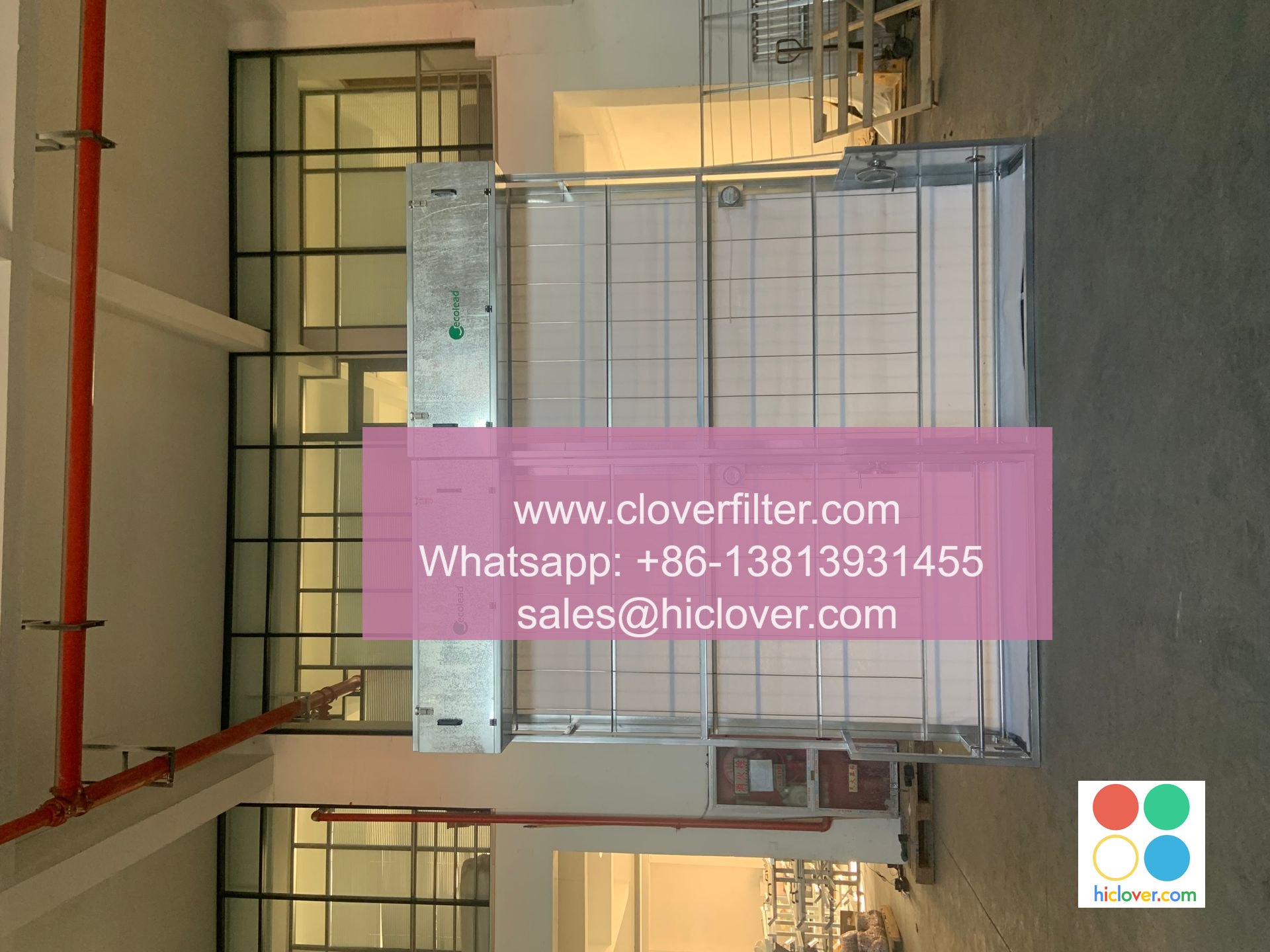
Designing a food processing plant in Calgary involves a detailed approach that focuses on efficiency and compliance with health standards. One of the growing innovations in this sector is the integration of automatic roll air filters. These systems not only enhance air quality but also significantly boost the operational efficiency of food processing facilities.
Importance of Air Quality in Food Processing

Air quality plays a crucial role in maintaining the safety and quality of food products. Contaminants in the air, including dust, allergens, and microorganisms, can adversely affect the production environment and lead to product spoilage or contamination. In Calgary, adherence to strict food safety regulations is paramount, and integrating advanced air filtration systems can greatly assist in meeting these standards.
Benefits of Automatic Roll Air Filters
Automatic roll air filters represent a significant advancement in air filtration technology. Unlike traditional static filters, these systems utilize a roll mechanism that replaces the filter element automatically, ensuring continuous operation without manual intervention. This feature is particularly beneficial in a high-traffic environment like a food processing plant, where air quality must be consistently high.
1. Enhanced Efficiency
The automatic roll air filters are designed to optimize airflow while efficiently capturing contaminants. Their ability to self-replace filters reduces downtime for maintenance, allowing the plant to maintain productivity levels. This efficiency translates to cost savings, as less energy is expended on maintaining optimal airflow, leading to lower operational costs.

2. Improved Air Quality
With the ability to filter out pollutants effectively, automatic roll air filters significantly improve indoor air quality. In a food processing environment, this is crucial where workers are constantly exposed to airborne particles. Improved air quality not only fosters a healthier workforce but also minimizes the risk of product contamination, ensuring that food safety standards are consistently upheld.
3. Reduced Environmental Impact
By optimizing energy use and improving air quality, the incorporation of automatic roll air filters contributes to a facility’s sustainability efforts. Cleaner air reduces the need for excessive energy consumption that often comes with traditional heating, ventilation, and air conditioning (HVAC) systems. As environmental regulations become stricter, adopting such innovative technologies can aid businesses in aligning with sustainability goals.
Integration into Plant Design
When designing a food processing plant in Calgary, it is crucial to integrate these air filtration systems from the initial design phase. Considering placement, airflow dynamics, and the potential for system upgrades ensures that these automatic roll air filters operate at peak performance.
Moreover, conducting an air quality analysis can help in determining the right specifications and number of filters required for the facility. Collaboration with HVAC professionals can also enhance the overall air management strategy within the plant.
Conclusion
Incorporating automatic roll air filters into the design of food processing plants in Calgary offers numerous benefits ranging from improved air quality to enhanced efficiency and reduced environmental impact. By prioritizing air quality in the facilities’ design, manufacturers can ensure better health standards, compliance with regulations, and promote a sustainable operational model. As the food industry adapts to new challenges, innovative solutions such as these will be critical to future success.
FAQs
What is an automatic roll air filter?
An automatic roll air filter is a device that continuously protects air quality by automatically replacing its filter element without the need for manual intervention, thus ensuring effective filtration at all times.
How do air filters contribute to food quality?
Air filters remove airborne contaminants that could compromise food safety and quality, thereby reducing the risk of spoilage and contamination in food processing plants.
Are automatic roll air filters energy efficient?
Yes, these systems are designed to maintain optimal airflow with minimal energy consumption, resulting in lower operating costs and a reduced carbon footprint.
What should be considered when integrating air filters into plant design?
The placement of filters, the overall airflow dynamics, the expected level of air pollution, and potential for future upgrades should all be considered during the design phase to ensure maximum effectiveness.
