Calgary Food Workshop: Best Practices for Installing Automatic Roll Air Filters in Food Processing Plants
Introduction
Calgary’s food processing sector is an integral part of the economy, contributing significantly to the local and national food supply chain. Maintaining hygienic conditions is essential in these facilities, and one of the best practices to ensure air quality involves the installation of automatic roll air filters. These filters help in maintaining a clean, contamination-free environment which is crucial for food safety. This article will delve into best practices for installing automatic roll air filters in food processing plants to enhance operational efficiency and safety protocols.

Understanding Automatic Roll Air Filters
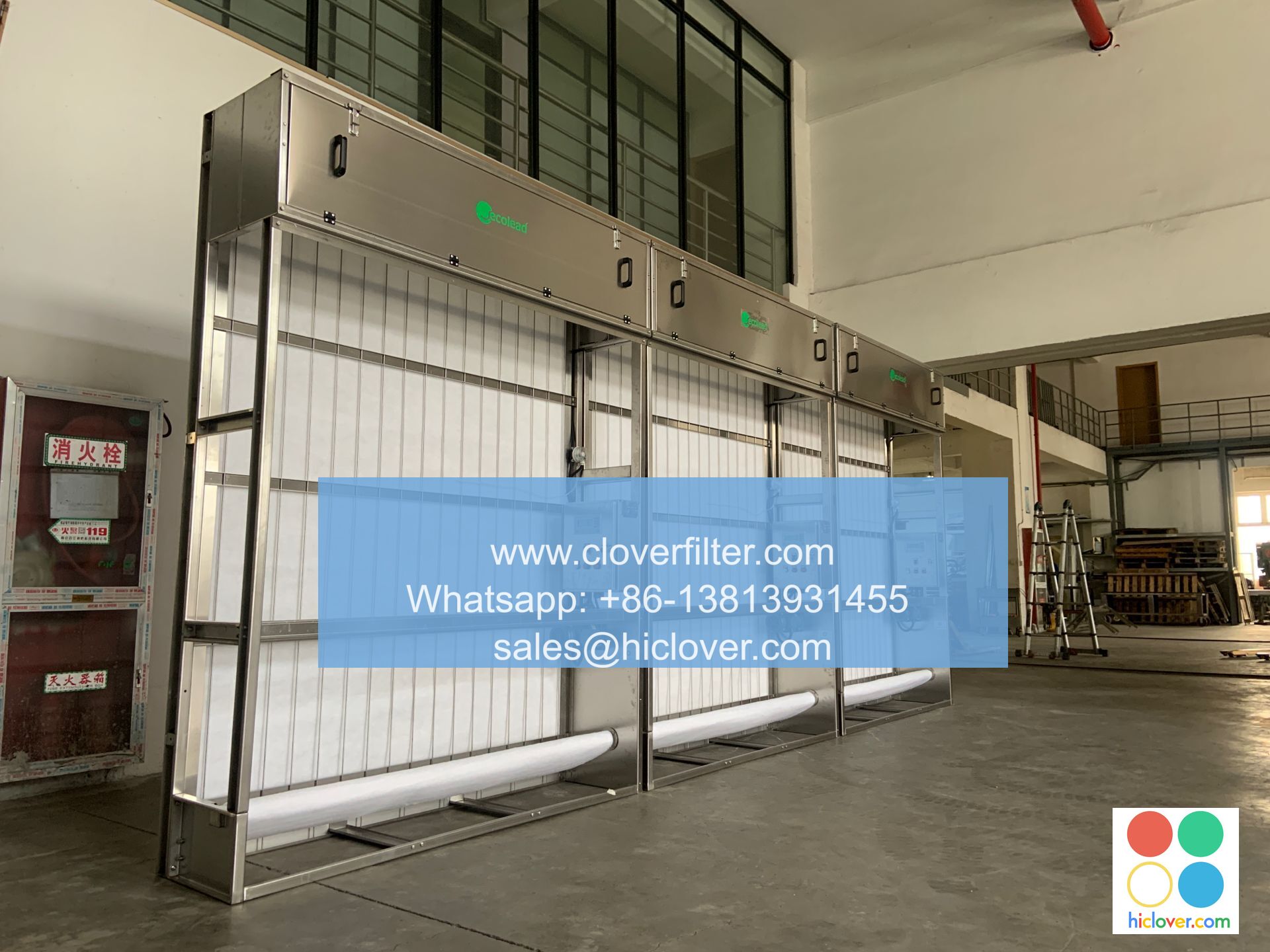
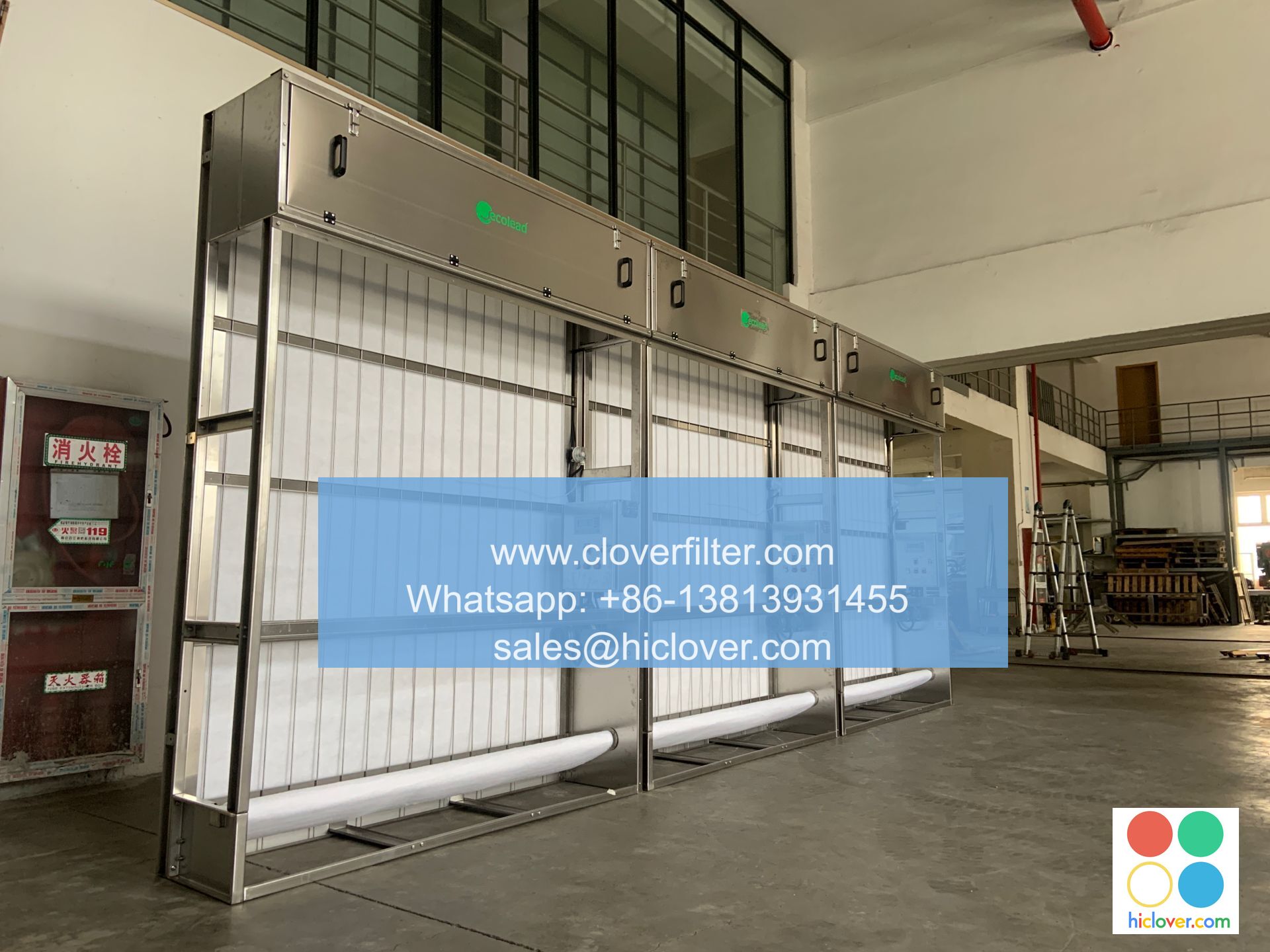
Automatic roll air filters are designed to handle large volumes of air, providing high filtration efficiency in food processing plants. They serve a dual purpose: preserving air quality and ensuring that food products are free from contaminants. Understanding their working mechanism is vital in choosing the correct filters suitable for specific operations.
Best Practices for Installation
1. Conduct a Thorough Assessment
Before installation, conduct a detailed assessment of the facility’s layout and air quality control needs. Identify areas where air contamination is more likely and determine the airflow patterns. This understanding assists in selecting the appropriate type and size of filters.
2. Choose the Right Filters
Select filters based on their MERV (Minimum Efficiency Reporting Value) rating, relevant to the types of particles you need to manage. For food processing, a higher MERV rating may be necessary to capture smaller particles, including bacteria and molds.
3. Verify Installation Requirements
Refer to the manufacturer’s specifications to ensure compliance with installation requirements, such as mounting positions, duct design, and performance expectations. Adhering to these guidelines is essential to avoid issues later that could affect the overall efficacy of the filters.
4. Ensure Accessibility for Maintenance
Install filters in locations that are easily accessible for routine maintenance and inspections. Regular maintenance is critical to ensure optimal performance, and filters should be replaced or cleaned according to the manufacturer’s recommendations.
5. Train Staff
Training staff on filter operation and maintenance protocols is crucial. Provide comprehensive training sessions to ensure employees understand the importance of air quality in food processing and are aware of how to manage the automatic roll air filters effectively.
6. Monitor Performance
Post-installation, implement a system for continuously monitoring the performance of the air filters. Utilize air quality monitoring devices to measure contaminants and ensure that the filters are functioning optimally. Adjustments may be necessary depending on the findings from these performance metrics.
Conclusion
Implementing best practices for installing automatic roll air filters in food processing plants significantly enhances food safety and operational efficiency. By following the outlined steps—ranging from thorough assessments and selecting the right filters to training staff and monitoring performance—food processing facilities in Calgary can not only comply with safety regulations but also foster a healthier working environment. The goal is to create a robust air quality management system that safeguards both the workers and the products, ultimately benefiting the entire food supply chain.
FAQs
What are automatic roll air filters?
Automatic roll air filters are designed to continuously filter air in food processing environments, helping to maintain a clean environment by removing contaminants.
Why is air quality important in food processing plants?
Air quality is critical in food processing to prevent contamination, ensuring food safety and compliance with health regulations.
What maintenance is required for these filters?
Regular maintenance includes checking, cleaning, and replacing filters according to the manufacturer’s recommendations and monitoring air quality metrics.
How can I ensure the filters are performing effectively?
Performance can be monitored using air quality monitoring devices, which measure the levels of contaminants in the air. Regular inspection and maintenance schedules are also vital.
