Canada’s Electronics Manufacturers: How Automatic Roll Air Filters Can Help Reduce Absenteeism and Turnover
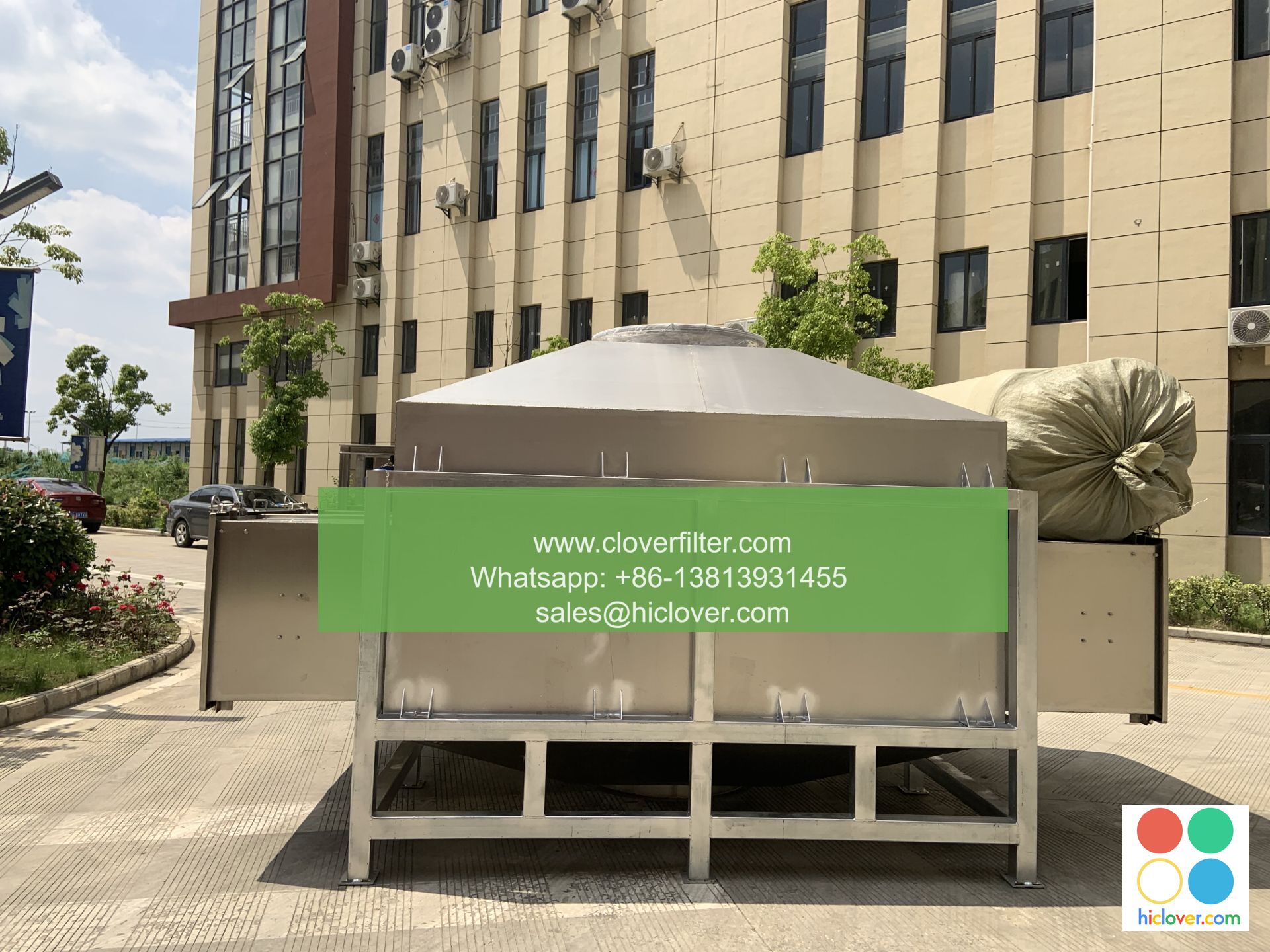
Understanding the Importance of Air Quality in Electronics Manufacturing
Canada’s electronics manufacturing industry plays a significant role in the national economy, with many companies seeking advanced technologies to improve productivity and efficiency. One often-overlooked aspect of improving workplace conditions is the air quality within manufacturing facilities. Poor air quality can lead to a range of health problems for employees, contributing to absenteeism and high turnover rates. Investing in automatic roll air filters can be a game changer in this respect.

The Link Between Air Quality and Employee Health
Airborne contaminants such as dust, fumes, and chemical vapors can adversely affect the health of workers in electronics manufacturing. Prolonged exposure to poor air quality can lead to respiratory issues, allergic reactions, and even long-term occupational diseases. When employees fall ill, it not only affects their productivity but can also lead to increased absenteeism as sick employees stay home to recuperate.
How Automatic Roll Air Filters Work
Automatic roll air filters are designed to continuously improve air quality by using a series of filtration stages to remove particulates and contaminants from the air. These systems efficiently capture harmful substances before they can enter the workplace environment. Key features of these filters include:
- High Efficiency: Advanced filtration media can trap smaller particles compared to traditional filters.
- Automatic Operation: These systems often include sensors that automatically adjust airflow and filtration rates based on real-time air quality metrics.
- Minimal Maintenance: With automatic roll air filters, maintenance is simplified as filters can be changed or cleaned automatically, reducing downtime.
- Enhanced Worker Health: By improving the air quality, employees are less likely to suffer from respiratory issues or allergies, leading to reduced absenteeism.
- Improved Productivity: Healthy employees are more productive and engaged at work, which can lead to better quality products and services.
- Reduced Turnover Rates: Investing in employee health and safety can boost job satisfaction and loyalty, reducing turnover and associated training costs.
- Regulatory Compliance: Adhering to workplace health regulations can shield companies from fines and legal issues.
Benefits of Automatic Roll Air Filters for Electronics Manufacturers
Implementing automatic roll air filters can lead to significant benefits for businesses in Canada’s electronics sector:
Conclusion
In summary, automatic roll air filters present a valuable investment for electronics manufacturers in Canada. By prioritizing air quality, companies can foster a healthier workforce, reduce absenteeism, and lower turnover rates. This commitment not only leads to improved worker satisfaction but also enhances overall operational efficiency and product quality. As the industry continues to evolve, integrating such innovative solutions will be crucial for sustaining competitive advantages.
FAQs
1. How often do automatic roll air filters need maintenance?
Maintenance requirements can vary based on usage and environmental conditions, but many automatic systems are designed for minimal upkeep. It’s essential to monitor filter indicators and perform regular checks to ensure optimal performance.
2. Are these filters expensive to install and operate?
While the initial investment may be higher compared to traditional filters, the long-term savings from reduced healthcare costs, increased productivity, and lower turnover may justify the expense.
3. Can automatic roll air filters improve air quality in older facilities?
Yes, automatic roll air filters can significantly improve air quality in older facilities that may not have the latest air circulation technology, providing a healthier environment for employees.
4. Is there a return on investment for companies that install these systems?
Yes, many companies experience a positive ROI through decreased absenteeism, lower turnover rates, and enhanced productivity due to improved employee health and morale.
