Case Study: Air Filter Design for Aquatic and Marine Environments
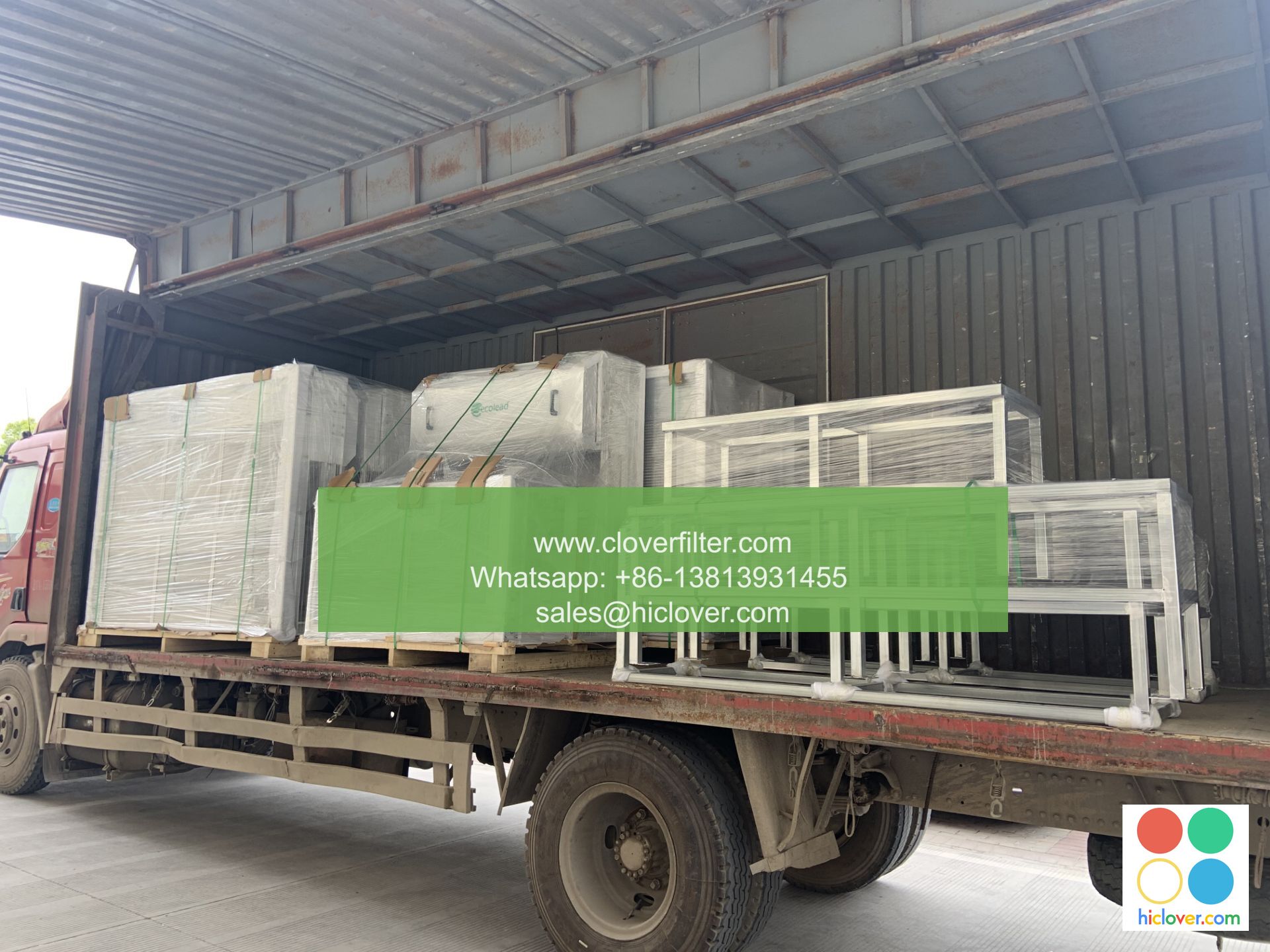
The importance of air filtration systems in aquatic and marine environments cannot be overstated. These systems play a crucial role in maintaining the health and well-being of marine life, as well as ensuring the longevity of equipment and infrastructure in these environments. In this article, we will explore a case study on air filter design for aquatic and marine environments, highlighting various application areas and key considerations.
Introduction to Air Filter Design
Air filter design is a critical aspect of aquatic and marine engineering, as it helps to remove contaminants and pollutants from the air that can harm marine life and damage equipment. The design of air filters for these environments requires careful consideration of factors such as water resistance, corrosion resistance, and high-efficiency particulate air (HEPA) filtration. Effective air filter design can help to prevent the spread of disease, reduce maintenance costs, and improve the overall health and sustainability of aquatic and marine ecosystems.
Application Areas for Air Filter Design
Air filter design has a wide range of applications in aquatic and marine environments, including:
* Aquaculture and fish farming: Air filters are used to maintain water quality and prevent the spread of disease in fish and shellfish farming operations.
* Marine conservation and research: Air filters are used in marine research facilities and conservation organizations to maintain healthy and stable environments for marine life.
* Offshore oil and gas platforms: Air filters are used to remove contaminants and pollutants from the air on offshore oil and gas platforms, helping to prevent equipment damage and maintain a safe working environment.
* Desalination and water treatment plants: Air filters are used to remove contaminants and pollutants from the air in desalination and water treatment plants, helping to ensure the quality and safety of drinking water.
Key Considerations for Air Filter Design
When designing air filters for aquatic and marine environments, there are several key considerations to take into account, including:
* Material selection: The selection of materials for air filter construction is critical, as they must be able to withstand the corrosive effects of saltwater and other environmental factors.
* Filtration efficiency: The filtration efficiency of air filters is critical in aquatic and marine environments, where the presence of contaminants and pollutants can have serious consequences for marine life and equipment.
* Pressure drop and flow rate: The pressure drop and flow rate of air filters must be carefully balanced to ensure effective filtration and minimize energy consumption.
* Maintenance and upkeep: Air filters in aquatic and marine environments must be designed to be easily maintained and replaced, to minimize downtime and ensure continuous operation.

Conclusion
In conclusion, air filter design is a critical aspect of aquatic and marine engineering, with a wide range of applications in areas such as aquaculture, marine conservation, offshore oil and gas platforms, and desalination and water treatment plants. By considering key factors such as material selection, filtration efficiency, pressure drop and flow rate, and maintenance and upkeep, effective air filter design can help to maintain healthy and stable environments for marine life, reduce maintenance costs, and improve the overall sustainability of aquatic and marine ecosystems. As the demand for sustainable and environmentally friendly solutions continues to grow, the importance of air filter design in aquatic and marine environments will only continue to increase.
Future Directions
Future research and development in air filter design for aquatic and marine environments is likely to focus on the development of more efficient and sustainable filtration technologies, such as nanofiltration and ultrafiltration. Additionally, the use of advanced materials and manufacturing technologies, such as 3D printing and composite materials, is likely to play an increasingly important role in the development of air filters for these environments. As the field continues to evolve, it is likely that we will see the development of even more effective and sustainable air filter solutions for aquatic and marine environments.
Recommendations
Based on the case study and key considerations outlined in this article, we recommend that engineers and designers working in aquatic and marine environments prioritize the development of high-efficiency air filtration systems that are designed to withstand the corrosive effects of saltwater and other environmental factors. Additionally, we recommend that consideration be given to the use of sustainable and environmentally friendly materials and advanced manufacturing technologies in the development of air filters for these environments. By taking a proactive and sustainable approach to air filter design, we can help to maintain healthy and stable environments for marine life, reduce maintenance costs, and improve the overall sustainability of aquatic and marine ecosystems. It looks like you’re ready to give me a prompt, but it hasn’t appeared yet! Please go ahead and share what’s on your mind, and I’ll do my best to help. What would you like to talk about, ask, or explore?
