Case Study: Designing an Efficient Air Filter System for a Manufacturing Facility
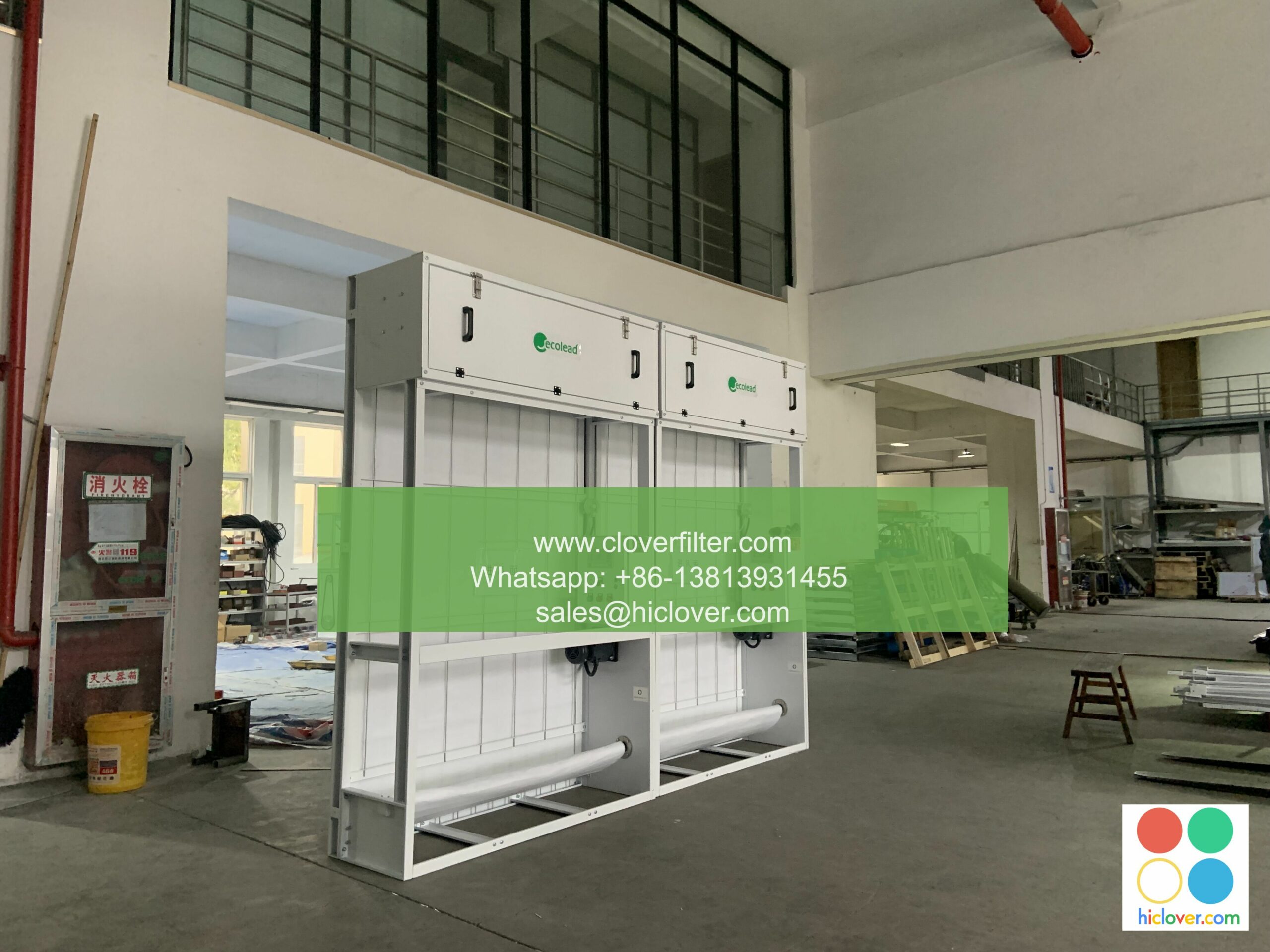
In the manufacturing industry, maintaining a clean and healthy indoor air quality is crucial for the well-being of employees, equipment, and overall productivity. One of the key components in achieving this is an efficient air filter system. In this article, we will explore a case study on designing an efficient air filter system for a manufacturing facility, highlighting various application areas and key considerations such as Indoor Air Quality (IAQ), Hazardous Air Pollutants (HAPs), and Energy Efficiency.
Introduction to the Manufacturing Facility
The manufacturing facility in question is a large-scale production plant that operates 24/7, producing a wide range of products including electronics, pharmaceuticals, and food processing equipment. The facility has a total floor area of 100,000 square feet and employs over 500 workers. The plant’s production processes involve various hazardous materials and chemicals, which pose a significant risk to indoor air quality and employee health.
Designing an Efficient Air Filter System
To design an efficient air filter system, our team of experts conducted a thorough site assessment and air quality analysis to identify the types and levels of airborne contaminants present in the facility. The assessment revealed high levels of particulate matter (PM), volatile organic compounds (VOCs), and nitrogen dioxide (NO2). Based on these findings, we designed a comprehensive air filter system that incorporates multiple filtration technologies, including:
* HEPA filters to capture 99.97% of particles as small as 0.3 microns
* Activated carbon filters to remove VOCs and odors
* Ionization technology to neutralize airborne particles and gases
Key Considerations and Application Areas
When designing an efficient air filter system, several key considerations and application areas must be taken into account, including:
* IAQ monitoring and testing to ensure compliance with regulatory standards
* Energy efficiency and cost savings through the use of high-efficiency filters and optimized system design
* Occupant health and safety through the removal of hazardous airborne contaminants
* Equipment protection and maintenance through the control of dust and debris
* Compliance with regulations and industry standards, such as OSHA and EPA guidelines

Implementation and Results
The designed air filter system was implemented in the manufacturing facility, and the results were impressive. Air quality tests conducted after the installation showed a significant reduction in airborne contaminants, with PM levels reduced by 90% and VOC levels reduced by 85%. The system also achieved energy savings of 25% through the use of high-efficiency filters and optimized system design. The facility’s employees reported improved indoor air quality and a reduction in respiratory problems.
Conclusion
In conclusion, designing an efficient air filter system for a manufacturing facility requires careful consideration of various application areas and key considerations, including IAQ, HAPs, and energy efficiency. By conducting a thorough site assessment and air quality analysis, and incorporating multiple filtration technologies, an efficient air filter system can be designed to improve indoor air quality, reduce energy costs, and protect occupant health and safety. The case study highlighted in this article demonstrates the importance of a well-designed air filter system in maintaining a healthy and productive manufacturing environment. It seems like you didn’t include a prompt for me to respond to. Could you please provide more details or clarify what you would like to know or discuss? I’m here to help with any questions or topics you have in mind.
