Case Study: How a Manufacturing Plant Improved Air Quality with Air Filters
Introduction to Air Quality Concerns in Manufacturing
Manufacturing plants are often plagued by poor air quality, which can lead to a range of issues including reduced productivity, increased employee absenteeism, and decreased product quality. The presence of airborne contaminants such as particulate matter, gases, and vapors can have serious consequences for both human health and the environment. In this case study, we will explore how a manufacturing plant improved its air quality with the implementation of advanced air filters and air purification systems.
Identifying Air Quality Issues in the Plant
The manufacturing plant in question was a large facility that produced a variety of products, including plastics, metals, and electronics. The plant employed over 500 workers and operated 24 hours a day, 7 days a week. However, despite its size and complexity, the plant had never implemented a comprehensive indoor air quality (IAQ) management plan. As a result, workers often complained of respiratory issues, headaches, and eye irritation, which were likely caused by the presence of airborne contaminants such as particulate matter (PM), volatile organic compounds (VOCs), and nitrogen dioxide (NO2).
Implementing Air Filtration Solutions
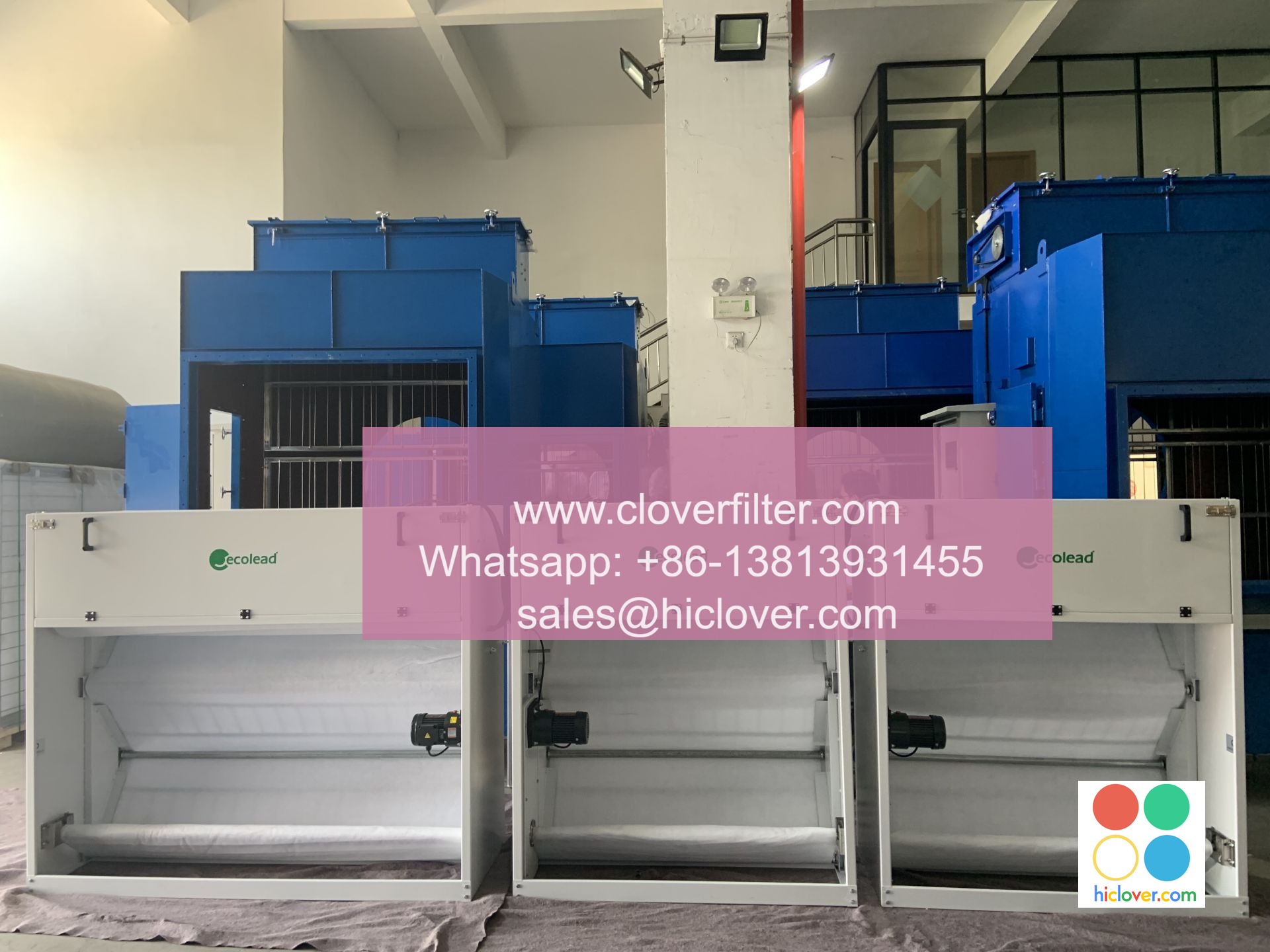
To address the air quality concerns, the plant’s management team decided to implement a comprehensive air filtration system that would remove airborne contaminants and improve the overall indoor air quality (IAQ). The system consisted of a combination of HEPA filters, activated carbon filters, and UV air purifiers. The HEPA filters were designed to capture 99.97% of particles as small as 0.3 microns, including dust, pollen, and bacteria. The activated carbon filters were used to remove VOCs and other gases, while the UV air purifiers were used to kill bacteria, viruses, and other microorganisms.

Application Areas for Air Filtration Systems
The air filtration system was installed in several key areas of the plant, including:
- Production areas: where workers were exposed to high levels of airborne contaminants
- Office spaces: where workers spent most of their time and were susceptible to IAQ issues
- Break rooms: where workers could be exposed to secondhand smoke and other airborne contaminants
- Warehouses: where products were stored and could be damaged by poor air quality
Results and Benefits of Improved Air Quality
The implementation of the air filtration system had a significant impact on the plant’s air quality. Air quality monitoring revealed a significant reduction in particulate matter, VOCs, and other airborne contaminants. Workers reported a decrease in respiratory issues, headaches, and eye irritation, and the plant saw an increase in productivity and a decrease in employee absenteeism. The improved air quality also had a positive impact on product quality, as the reduced presence of airborne contaminants minimized the risk of product damage and contamination.
Conclusion and Recommendations
The case study demonstrates the importance of implementing effective air filtration systems in manufacturing plants to improve indoor air quality and reduce the risks associated with airborne contaminants. By identifying areas of poor air quality and implementing a comprehensive air purification plan, manufacturing plants can create a healthier and more productive work environment, while also improving product quality and reducing costs associated with employee absenteeism and product damage. As the manufacturing sector continues to grow and evolve, the importance of air quality management will only continue to increase, making it essential for plants to invest in advanced air filtration systems and air purification technologies. Prompt
