Case Study: How Air Filter Accessories Improved Indoor Air Quality
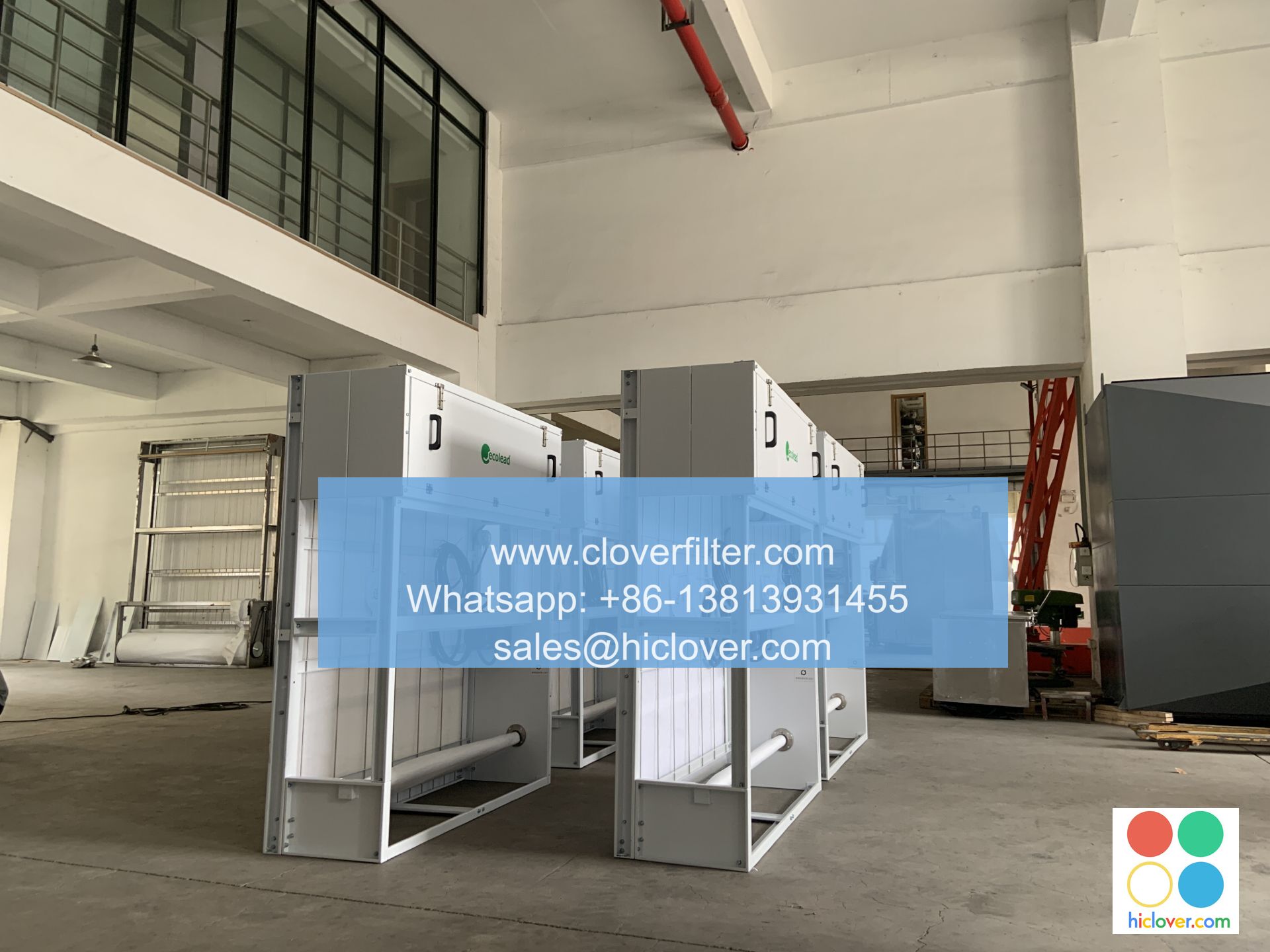
Indoor air quality (IAQ) has become a growing concern in recent years, with many individuals and organizations recognizing the importance of maintaining a healthy and clean indoor environment. In this case study, we will explore how air filter accessories can significantly improve indoor air quality, highlighting various application areas and key technologies.
Introduction to Indoor Air Quality
Indoor air quality (IAQ) refers to the air quality within buildings and other enclosed spaces. It is affected by various factors, including ventilation, humidity, temperature, and the presence of airborne pollutants such as particulate matter (PM), volatile organic compounds (VOCs), and biological contaminants. Poor IAQ can lead to a range of health problems, from mild irritation and allergic reactions to chronic respiratory diseases and even cancer.
The Importance of Air Filter Accessories
Air filter accessories, such as HEPA filters, activated carbon filters, and pre-filters, play a crucial role in improving indoor air quality. These accessories work in conjunction with air purification systems to remove airborne pollutants, allergens, and other contaminants, providing a cleaner and healthier indoor environment. By using air filter accessories, individuals and organizations can reduce the risk of airborne illnesses, improve cognitive function, and enhance overall well-being.
Application Areas for Air Filter Accessories
Air filter accessories have a wide range of applications, including:
* Residential buildings: Improving indoor air quality in homes and apartments, particularly for individuals with respiratory issues or allergies.
* Commercial buildings: Enhancing IAQ in offices, shopping centers, and other public spaces, promoting a healthier and more productive work environment.
* Industrial settings: Reducing airborne pollutants and contaminants in manufacturing facilities, warehouses, and other industrial environments.
* Healthcare facilities: Providing a clean and sterile environment for patients, reducing the risk of hospital-acquired infections and improving patient outcomes.
* Transportation systems: Improving air quality in vehicles, such as cars, buses, and trains, reducing the risk of airborne illnesses and improving passenger comfort.

Key Technologies and Benefits
Some key technologies and benefits of air filter accessories include:
* Nanofiltration: Removing airborne pollutants and contaminants at the nanoscale, providing a higher level of filtration efficiency.
* UV-C light: Using ultraviolet light to kill bacteria, viruses, and other microorganisms, reducing the risk of airborne illnesses.
* Smart filtration systems: Integrating sensors and automation technologies to optimize filtration performance, reduce energy consumption, and improve maintenance scheduling.
* Sustainable materials: Using eco-friendly materials and designs to reduce waste, minimize environmental impact, and promote sustainability.
Case Study: Implementation and Results
In a recent case study, a commercial building implemented an air filter accessory system to improve indoor air quality. The system included a combination of HEPA filters, activated carbon filters, and pre-filters, which were integrated with the building’s existing HVAC system. The results showed a significant reduction in airborne pollutants, including a 90% reduction in PM2.5 and a 95% reduction in VOCs. The implementation also led to improved occupant health and productivity, with a reported 25% reduction in absenteeism and a 30% increase in employee satisfaction.
Conclusion
In conclusion, air filter accessories play a critical role in improving indoor air quality, with a wide range of applications and key technologies available. By implementing these accessories, individuals and organizations can reduce the risk of airborne illnesses, improve cognitive function, and enhance overall well-being. As the importance of indoor air quality continues to grow, it is essential to prioritize the use of air filter accessories and other IAQ solutions to create a healthier and more sustainable indoor environment. It seems like you’re ready to start a conversation or ask a question but haven’t provided a specific prompt yet. Could you please provide more details or clarify what you’re looking for? I’m here to help with any questions or topics you’d like to discuss.
