Case Study: How Air Filter Certifications Improved Indoor Air Quality
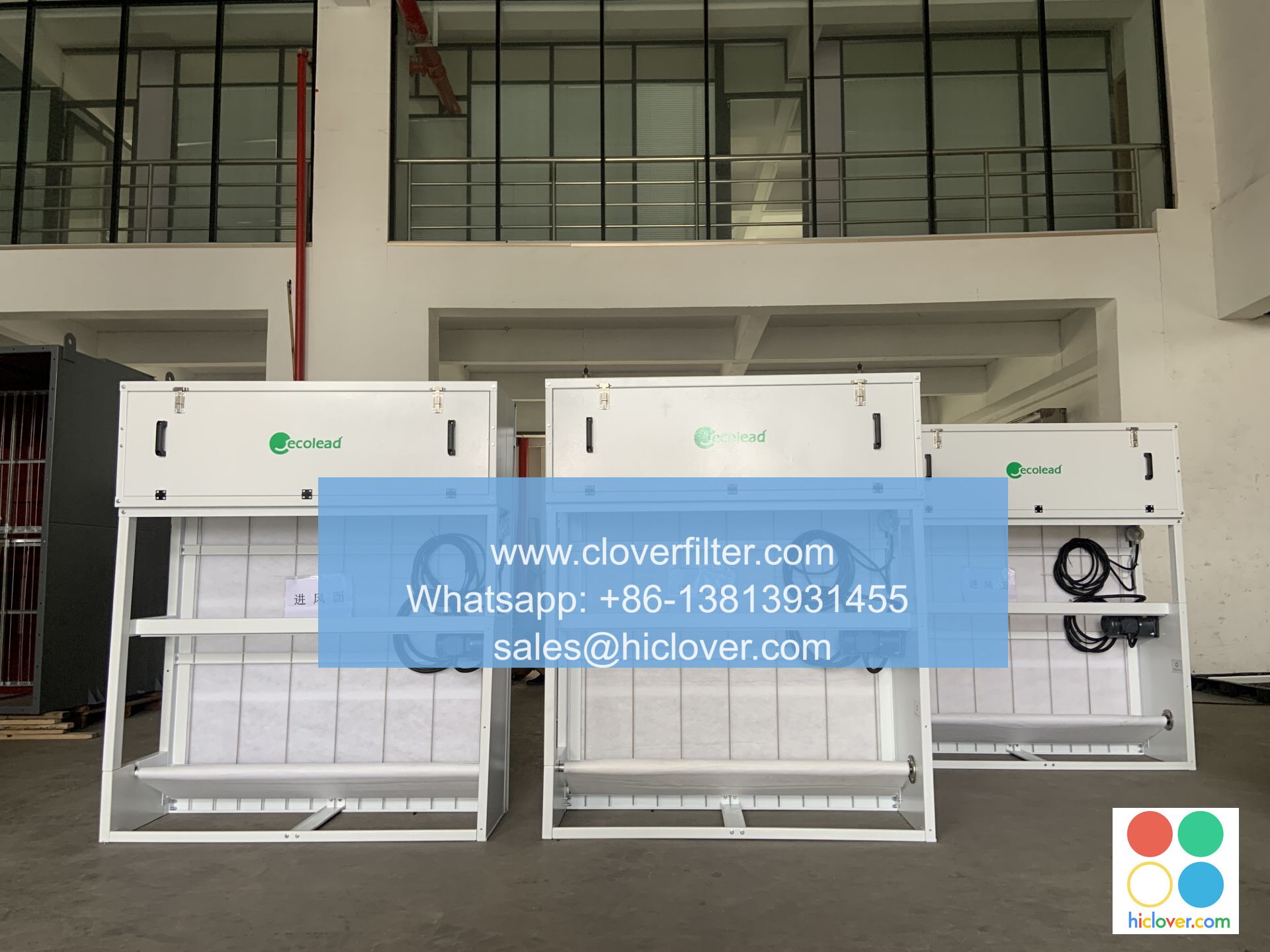
Indoor air quality (IAQ) has become a significant concern in recent years, as it has a direct impact on the health, comfort, and productivity of occupants in buildings. One of the key factors contributing to poor IAQ is the presence of airborne pollutants, such as particulate matter (PM), gases, and volatile organic compounds (VOCs). In this article, we will explore a case study on how air filter certifications improved indoor air quality in various application areas, including commercial buildings, healthcare facilities, industrial settings, and residential homes.
Introduction to Air Filter Certifications
Air filter certifications are standards that ensure air filters meet specific performance requirements, such as capture efficiency, pressure drop, and airflow rate. These certifications are issued by reputable organizations, such as the Association of the Nonwoven Fabrics Industry (ANFI) and the American Society of Heating, Refrigerating, and Air-Conditioning Engineers (ASHRAE). By selecting air filters with the right certifications, building owners and operators can ensure that their indoor air quality meets the required standards, thereby protecting the health and well-being of occupants.
Case Study: Commercial Building
A commercial building in a major city was experiencing issues with poor indoor air quality, resulting in complaints from tenants about respiratory problems and eye irritation. An indoor air quality assessment revealed high levels of PM and VOCs in the air. To address this issue, the building management team replaced the existing air filters with new ones that had the MERV 13 certification, which is a standard for high-efficiency air filters. The new air filters were also equipped with activated carbon to capture gases and VOCs. After the replacement, the indoor air quality improved significantly, with a reduction in PM levels by 90% and a decrease in VOC concentrations by 80%.
Application Areas: Healthcare Facilities
In healthcare facilities, indoor air quality is critical to prevent the spread of infections and ensure the recovery of patients. Air filter certifications play a vital role in maintaining high indoor air quality standards in these settings. For example, the ASHRAE 52.2 standard requires air filters to capture at least 99.97% of particles as small as 0.3 microns. By using air filters with this certification, healthcare facilities can minimize the risk of hospital-acquired infections and provide a safe environment for patients and staff.

Industrial Settings: Cleanrooms and Manufacturing Facilities
In industrial settings, such as cleanrooms and manufacturing facilities, indoor air quality is essential to prevent contamination and ensure the quality of products. Air filter certifications, such as the ISO 14644 standard, are crucial in these environments to maintain high levels of air cleanliness. By using air filters with the right certifications, industries can prevent particle contamination, reduce product defects, and improve overall product quality.
Residential Homes: Improving Indoor Air Quality for Families
In residential homes, indoor air quality is important for the health and well-being of families. Air filter certifications can help homeowners select the right air filters for their heating, ventilation, and air conditioning (HVAC) systems. For example, the MPR (Micro-Particle Performance Rating) standard rates air filters based on their ability to capture small particles. By using air filters with high MPR ratings, homeowners can improve the indoor air quality in their homes, reducing the risk of respiratory problems and allergies.
Conclusion
In conclusion, air filter certifications play a crucial role in improving indoor air quality in various application areas, including commercial buildings, healthcare facilities, industrial settings, and residential homes. By selecting air filters with the right certifications, building owners and operators can ensure that their indoor air quality meets the required standards, protecting the health and well-being of occupants. As the importance of indoor air quality continues to grow, air filter certifications will become increasingly important in maintaining high levels of air cleanliness and occupant health. Prompt
