Checklist for Air Filter Compliance in Commercial Buildings

Key Takeaways
- Understand air filter compliance requirements for your building’s HVAC system.
- Learn about the functionality and benefits of Automatic Roll Air Filters.
- Evaluate potential filters based on airflow, media width, and operation costs.
- Recognize common installation mistakes and how to avoid them.
- Analyze real-world case studies to see effective applications.
- Leverage ISO 16890 standards as guidelines for filter selection.
- Consider energy savings and maintenance reductions in your procurement strategy.
- Airflow Range: Select filters that accommodate your building’s airflow requirements.
- Face Velocity: Optimal face velocity is crucial to maintaining effective filtration without causing excessive resistance.
- Media Width/Length: Ensure compatibility with your system and filtration area needs.
- Frame Size: Determine the appropriate frame size that fits your air handling unit.
- Control Options: Look for smart control features that help manage the filter’s operation efficiently.
- Power Supply: Assess whether you require electric or battery-operated options.
- Installation Location: Consider the best positioning for fresh air intake, return air, or process areas to maximize filter efficiency.
- Neglecting the Importance of Differential Pressure: Regularly monitor and replace filters based on differential pressure readings.
- Choosing the Wrong Size: Always check dimensions against your HVAC system specifications.
- Not Considering Airflow Direction: Ensure filters are installed according to their design direction for optimal airflow.
- Ignoring Manufacturer Guidelines: Follow maintenance suggestions from manufacturers like CloverFilter for best outcomes.
- Overlooking Energy Efficiency: Assess energy savings potential before making purchasing decisions.
- Inadequate Training: Ensure facility staff are trained to handle filter changes and maintenance.
- Failing to Document Maintenance Procedures: Keep detailed records of all maintenance activities for compliance purposes.
- Underestimating Environmental Factors: Measure air quality requirements based on specific operational needs.
- Selecting Filters with Inappropriate MERV Ratings: Understand what MERV ratings best suit your specific applications.
- Not Utilizing Technology: Take advantage of monitoring devices that alert you when filters need maintenance.
-
Data Center: A leading data center implemented Automatic Roll Air Filters to improve air quality while minimizing equipment downtime. The filters ensured optimal cooling and reduced energy consumption.
-
Battery Factory: A lithium battery plant used CloverFilter solutions to maintain strict air quality standards. The roll filters enabled consistent performance with reduced particulate contamination in critical manufacturing processes.
-
Paint Shop: In a paint booth, CloverFilter’s Automatic Roll Air Filters effectively controlled airborne particulates, ensuring compliance with VOC regulations and enhancing the safety of the working environment.
-
Textile/Steel/Cement Plant: A textile mill incorporated these filters into its AHU systems to combat heavy dust and maintain equipment efficiency while adhering to environmental standards.

Understanding Air Filter Compliance
Air filter compliance is essential in maintaining air quality and adhering to regulations in commercial buildings. Ensuring that you meet appropriate standards helps not only in compliance with health regulations but also enhances operational efficiencies in HVAC systems. This is where the Automatic Roll Air Filter by CloverFilter comes into play. Designed for various applications, these filters utilize roll media advance logic and differential pressure trigger systems to ensure optimal performance.
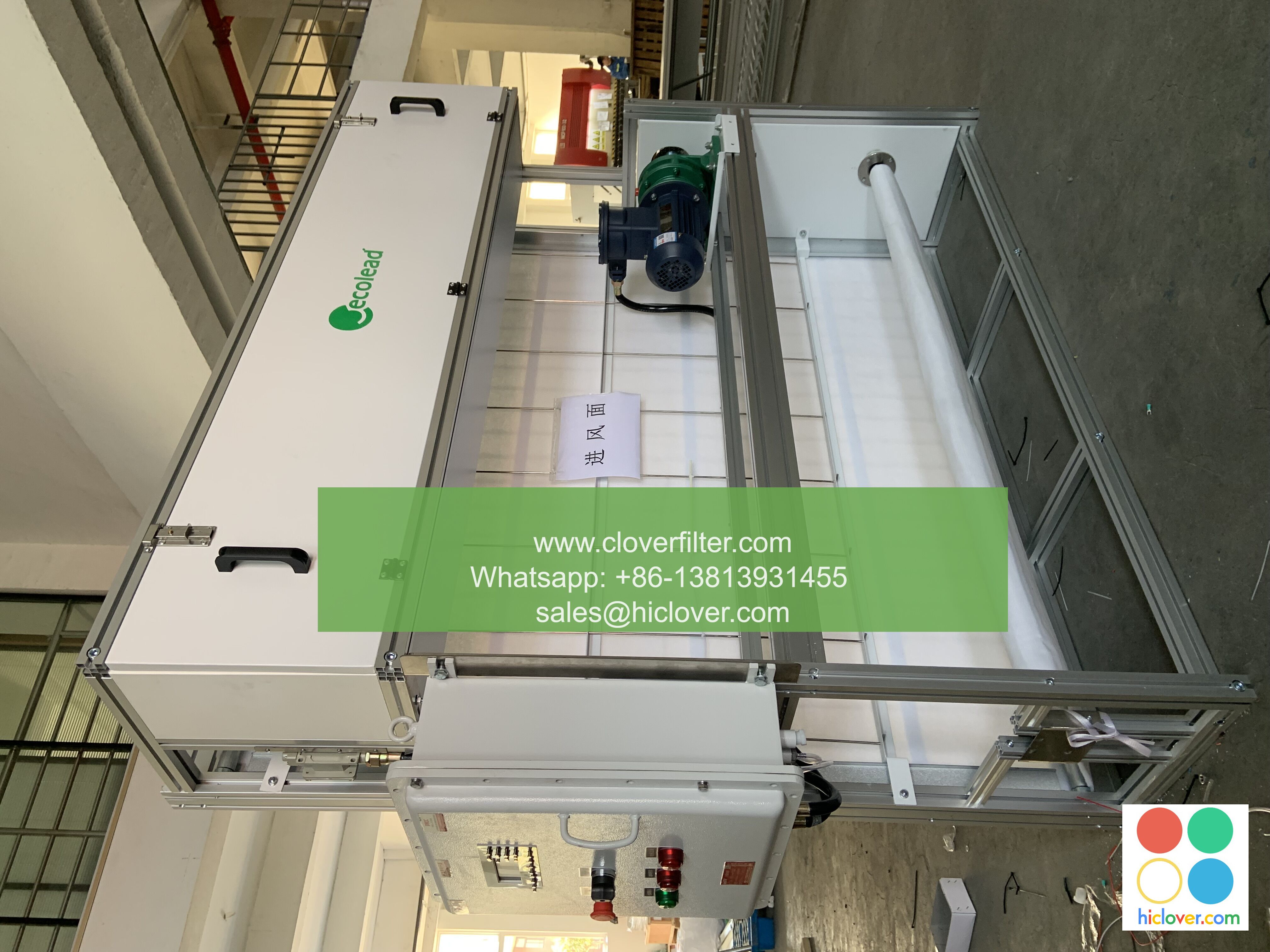
What is an Automatic Roll Air Filter?
An Automatic Roll Air Filter is a dynamic filtration solution that simplifies the process of maintaining airborne cleanliness within HVAC/AHU systems. As air is drawn through the filter, the roll media gradually advances, minimizing maintenance and ensuring continuous operation. The filter features a differential pressure trigger that signals when it’s time to advance the media, maintaining peak performance.
The integration of the Automatic Roll Air Filter in air handling units (AHU) provides several advantages, such as improved energy efficiency, reduced operational costs, and compliance with air quality standards. The filter is exceptionally suited for locations such as fresh air intakes, return air ducts, and process areas.
Practical Selection Guide
When choosing an air filter, consider the following parameters to ensure proper air filter compliance:
Comparison of Air Filter Types
| Filter Type | Best Use Case | Maintenance | Pressure Drop Behavior | Operating Cost | Typical Risk/Downside |
|---|---|---|---|---|---|
| Automatic Roll Air Filter | High air quality areas | Low | Predictable, gradual drop | Moderate | May require initial higher investment |
| Bag Filter | General filtration | Moderate | Moderate drop | Low | Can clog faster in high particulate areas |
| Panel Filter | Light-duty applications | Low | High drop | Low | Needs frequent replacement |
| V-bank Filter | Large commercial spaces | High | Variable | Moderate | Inefficient in extremely dusty environments |
Common Mistakes & How to Avoid Them
Real-World Scenarios
FAQ Section
Q1: What is air filter compliance?
A1: Air filter compliance refers to adhering to regulatory and operational standards that ensure effective filtration in commercial HVAC systems.
Q2: How often should air filters be replaced?
A2: Replacement frequency depends on filter type, environmental conditions, and pressure drop readings; typically every 3-6 months.
Q3: Are CloverFilter products ISO certified?
A3: While some CloverFilter products meet ISO 16890 standards, specific certifications may be available on request.
Q4: How do I measure differential pressure?
A4: Use differential pressure gauges to monitor pressure across the filter; replacements are necessary when pressure readings exceed advised thresholds.
Q5: What is the advantage of using a roll filter?
A5: Roll filters offer continuous filtration with minimized maintenance, ensuring cleaner air and increased operational efficiency.
Q6: Can I install an Automatic Roll Air Filter myself?
A6: While it’s possible for those with HVAC knowledge, professional installation ensures compliance and correct operation.
Conclusion
Choosing the right filtration system is critical for air quality and compliance in commercial buildings. The Automatic Roll Air Filter from CloverFilter stands out as an effective option that balances maintenance needs with high performance. For procurement managers and HVAC engineers, understanding air filter compliance can lead to significant operational improvements and energy savings.
For more insights on air filter compliance and to explore CloverFilter’s offerings, visit CloverFilter.
Meta Description: Discover essential checklist items for air filter compliance in commercial buildings, focusing on Automatic Roll Air Filters and effective procurement strategies.
For tailored solutions in your air filtration needs, contact CloverFilter at CloverFilter Contact.
It seems like you mentioned “Prompt,” but didn’t provide any specific details or context. Could you please elaborate on what you’re looking for or the type of prompt you need? Whether it’s a writing prompt, a question, or something else, I’m here to help!
