Choosing the Right Filter for Your Specific Needs
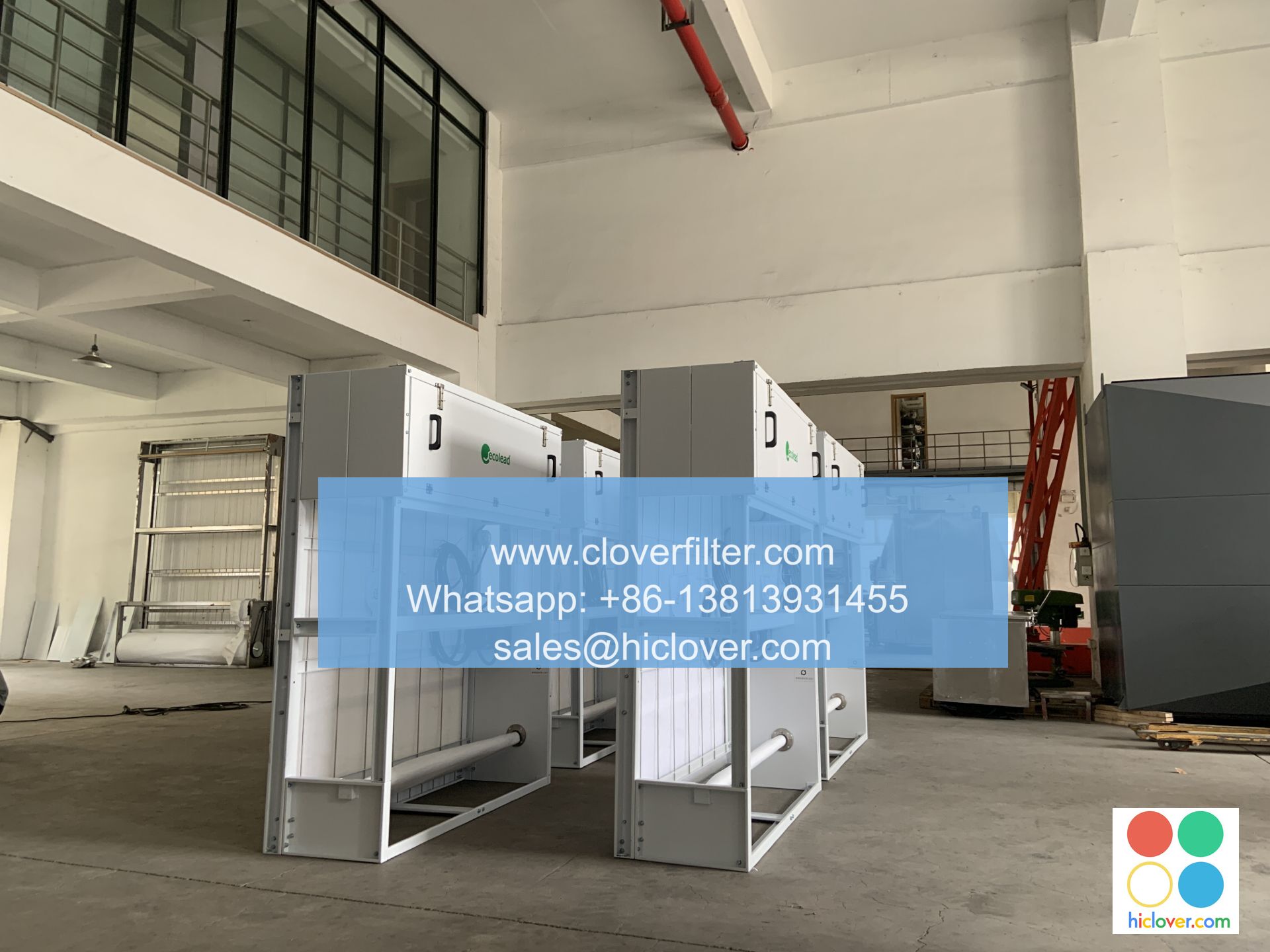
When it comes to selecting a filter, it’s essential to consider your specific requirements and application areas to ensure you get the best results. With a wide range of filters available, including air filtration systems, water purification filters, and oil filtration systems, choosing the right one can be overwhelming. In this article, we’ll explore the key factors to consider when selecting a filter, highlighting various application areas and discussing the benefits of different types of filters, including HEPA filters, activated carbon filters, and ultraviolet (UV) light filters.
Understanding Your Filtration Needs
Before selecting a filter, it’s crucial to understand your specific filtration needs. Consider the following factors:
* Contaminant type: What type of contaminants do you need to remove? For example, if you’re looking to remove dust, pollen, and other airborne particles, a HEPA air purifier may be the best option.
* Flow rate: How much fluid or air needs to be filtered? This will help you determine the required filter size and type.
* Pressure drop: What is the acceptable pressure drop across the filter? This is especially important in applications where pressure drop can impact system performance.
Application Areas
Filters are used in various application areas, including:
* Industrial processes: Filters are used to remove contaminants from fluids, gases, and air in industries such as manufacturing, pharmaceuticals, and food processing.
* Commercial buildings: Filters are used in HVAC systems to improve indoor air quality and reduce energy consumption.
* Residential homes: Filters are used in water filtration systems and air purifiers to improve indoor air and water quality.
* Medical facilities: Filters are used to remove contaminants from air and water in hospitals, clinics, and other healthcare facilities.
Types of Filters
There are several types of filters available, each with its own strengths and weaknesses. Some common types of filters include:
* HEPA filters: High-efficiency particulate air filters that can remove up to 99.97% of particles as small as 0.3 microns.
* Activated carbon filters: Used to remove impurities and contaminants from water and air, including chlorine, lead, and volatile organic compounds (VOCs).
* UV light filters: Used to remove bacteria, viruses, and other microorganisms from water and air.
* Membrane filters: Used to remove impurities and contaminants from water and other fluids, including reverse osmosis filters and nanofiltration filters.

Conclusion
Choosing the right filter for your specific needs requires careful consideration of your application area, contaminant type, flow rate, and pressure drop. By understanding your filtration needs and selecting the right type of filter, you can improve the quality of your air, water, or other fluids, and reduce the risk of contamination. Whether you’re looking for a whole house water filter, a portable air purifier, or an industrial filtration system, there’s a filter out there that can meet your needs. Remember to research and compare different types of filters, including HEPA filters, activated carbon filters, and UV light filters, to find the best one for your specific application. It looks like you’re ready to start a conversation or ask a question, but you haven’t given me a specific prompt yet. What would you like to talk about or ask? I can help with a wide range of topics, from science and history to entertainment and culture. Go ahead and give me a prompt to get us started!
