Choosing the Right HVAC Roll Filter for Textile Zones in Tanzania
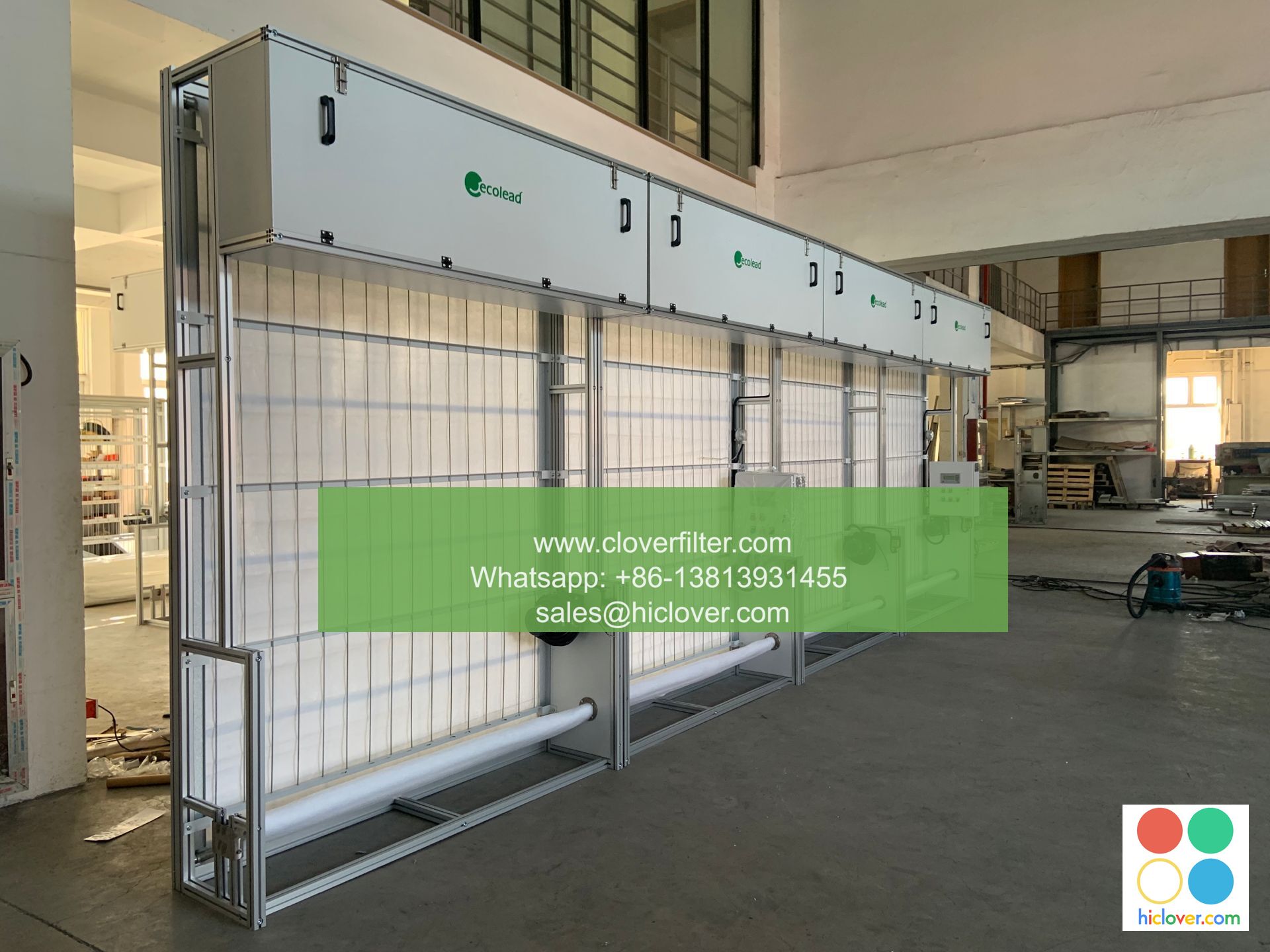
The textile industry in Tanzania is a vital part of the economy, contributing to both employment and exports. As this sector continues to expand, the need for efficient heating, ventilation, and air conditioning (HVAC) systems becomes increasingly crucial. One aspect often overlooked is the significance of high-quality HVAC roll filters. This article will guide textile manufacturers in Tanzania on how to choose the right HVAC roll filters for their specific zones.
Understanding HVAC Roll Filters

HVAC roll filters are an essential component of air filtration systems, designed to trap dust, fibers, and other particles from the air, thus ensuring clean air circulation in production areas. These filters improve air quality and are crucial in maintaining optimal working conditions in textile zones.
Key Considerations for Selecting HVAC Roll Filters
1. Type of Material
When choosing roll filters, consider the type of materials being processed. In textile manufacturing, fine fibers may be present in the air. Select filters made from materials that can effectively capture these fine particles to prevent contamination.
2. Filtration Efficiency
The efficiency of the filter is measured using the Minimum Efficiency Reporting Value (MERV) rating. Higher MERV ratings indicate better filtration capabilities. In textile zones, filters with a MERV rating of 13 to 16 are often recommended, as they can trap smaller particles effectively, ensuring high air quality.

3. Filter Size and Dimensions
Each HVAC system will require filters of specific sizes. Ensure that the filters selected fit the units in your facility. Measuring the current filter dimensions will help when selecting replacement filters.
4. Airflow Resistance
Low airflow resistance is crucial for maintaining system efficiency. High resistance can strain HVAC systems, leading to increased energy costs. Opt for roll filters designed for low-pressure drop to balance filtration efficiency and airflow.
5. Durability and Maintenance Requirements
The textile manufacturing environment can be harsh, and filters must withstand exposure to various substances. Choose durable filters that require minimal maintenance and can withstand higher levels of humidity and temperature variations.
Application Areas for HVAC Roll Filters in Textile Zones
1. Dyeing and Finishing Areas
These areas release volatile organic compounds (VOCs) and other potentially harmful substances into the air. Proper filtration ensures that these contaminants are effectively captured, creating a safer working environment.
2. Weaving and Spinning Zones
These processes generate a significant amount of lint and debris. Utilizing high-efficiency roll filters helps maintain air cleanliness and reduces the chances of equipment malfunction due to dust accumulation.
3. Quality Control Laboratories
In areas where fabrics are tested and quality assurance is performed, clean air is paramount to avoid any contamination that could compromise product quality. Installing robust HVAC roll filters ensures a controlled and clean environment.
Conclusion
Choosing the right HVAC roll filter is essential for ensuring a healthy, efficient, and safe working environment in Tanzania’s textile zones. Careful consideration of material, efficiency, size, airflow resistance, and durability will help manufacturers make informed decisions that enhance operational efficiency. Investing in high-quality roll filters not only improves air quality but also extends the life of HVAC systems, ultimately benefiting the entire textile production process.
Sure! What kind of prompt are you looking for? It could be related to writing, art, a creative challenge, or something else. Let me know your interests, and I’ll be happy to help!
