Clean Zones in Meat Processing: How Automatic Roll Air Filters Contribute to Food Safety
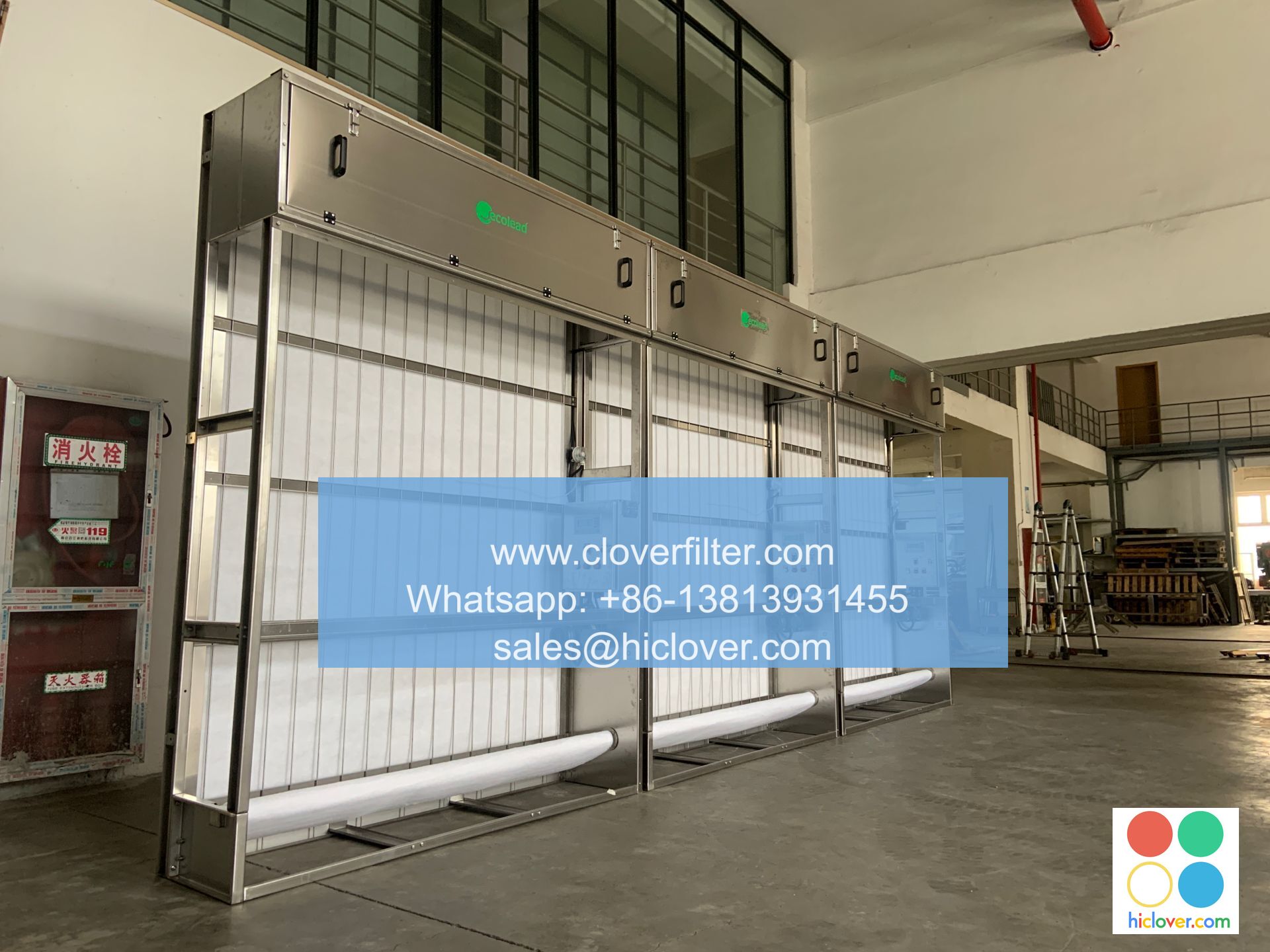
The meat processing industry is a highly regulated sector where maintaining high standards of cleanliness and hygiene is paramount to ensuring food safety. One critical aspect of achieving this is through the effective control of airborne contaminants in clean zones. In this context, automatic roll air filters play a pivotal role in maintaining the purity of the air, thereby contributing significantly to food safety protocols. This article delves into the importance of clean zones in meat processing, the challenges posed by airborne contaminants, and how HEPA filtration systems, including automatic roll air filters, can mitigate these risks.
##
Understanding Clean Zones in Meat Processing
Clean zones in meat processing facilities are designated areas where the processing, packaging, and storage of products occur under tightly controlled conditions to minimize contamination risks. These areas are critical because they directly impact the quality and safety of final products. The control of airborne contaminants, such as dust, bacteria, and viruses, is essential in these zones to prevent the cross-contamination of products.
##
Challenges Posed by Airborne Contaminants
Airborne contaminants can be introduced into clean zones through various means, including human traffic, ventilation systems, and equipment. Once inside, these contaminants can settle on surfaces, including food products and processing equipment, leading to potential health hazards. The presence of these contaminants necessitates the implementation of robust air filtration systems to ensure the air quality within clean zones meets stringent food safety standards.
##
Role of Automatic Roll Air Filters in Maintaining Clean Zones
Automatic roll air filters are designed to capture 99.97% of particles as small as 0.3 microns, including dust, pollen, and other airborne contaminants. These filters are particularly beneficial in meat processing facilities for several reasons:
– Continuous Operation: They can operate continuously without significant downtime for maintenance, ensuring consistent air quality.
– Efficient Contaminant Removal: Their high filtration efficiency means they can effectively remove airborne contaminants from the air, protecting products and equipment.
– Low Maintenance: With automatic roll technology, these filters can roll out and replace themselves when they reach a certain level of dust loading, reducing the need for manual intervention and minimizing downtime.
##

Application Areas of Automatic Roll Air Filters
The application of automatic roll air filters is not limited to specific areas within meat processing facilities. Instead, they can be integrated into various food processing environments where air quality control is crucial, including:
– Meat Cutting and Processing Rooms: To prevent the contamination of meat products during cutting, trimming, and packaging processes.
– Packaging Areas: Ensuring that the air surrounding packaging operations is clean to prevent the introduction of contaminants into packaged products.
– Storage Facilities: Maintaining good air quality in storage areas to protect products from spoilage and contamination.
##
Conclusion
In conclusion, clean zones are fundamental to the meat processing industry, and the effective management of airborne contaminants within these zones is critical to ensuring food safety. Automatic roll air filters, with their high efficiency and low maintenance requirements, offer a significant contribution to the control of air quality in meat processing facilities. By integrating these filters into food processing operations, manufacturers can effectively reduce the risk of cross-contamination, enhance product quality, and comply with stringent food safety regulations. As the demand for safe and high-quality food products continues to rise, the role of automatic air filtration systems in maintaining clean zones will become increasingly important.
